
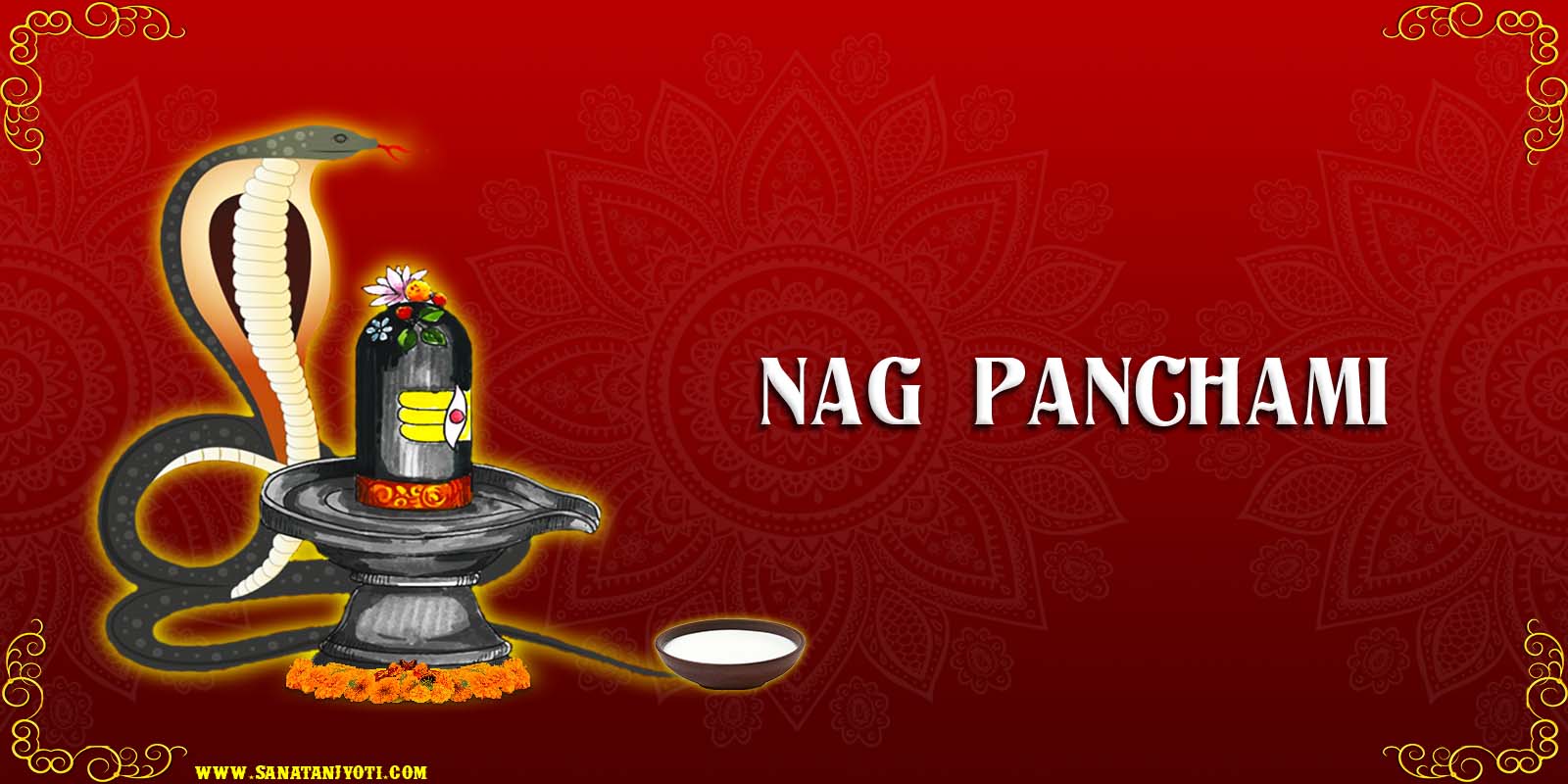
Nag Panchami is an important festival in Hinduism. It is celebrated every year in the holy month of Shravan. The festival falls on the Panchami Tithi of Shukla Paksha. On this day, people worship the Nag Devatas and pray to Lord Shiva. They also thank nature and pray for its protection.
Many people believe that praying to the Nag Devatas, offering Abhishekam to Lord Shiva, and keeping the Nag Panchami Vrat bring peace, good luck, and the blessings of Lord Shiva. Many also pray for safety from snake bites.
Every year, many people search online for Nag Panchami 2026 Date, Nag Panchami Puja Vidhi, Nag Panchami Vrat, Nag Panchami Katha, Nag Panchami Shubh Muhurat, and the meaning of Nag Devata worship.
This guide explains Nag Panchami 2026 in simple English. You will learn the date, Puja Vidhi, Vrat, Katha, Shubh Muhurat, and the importance of worshipping the Nag Devatas.
When is Nag Panchami 2026?
In 2026, Nag Panchami will be celebrated on Monday, 17 August 2026. The festival falls on the Panchami Tithi of Shukla Paksha in the holy month of Shravan. Many people see this as a good day to worship Lord Shiva and the Nag Devatas.
On Nag Panchami, devotees worship the Nag Devatas, offer Jalabhishek to Lord Shiva, and keep the Nag Panchami Vrat. They pray for peace, good health, family happiness, and protection from snake bites.
Nag Panchami is celebrated with faith in many parts of India, including Uttar Pradesh, Madhya Pradesh, Rajasthan, Maharashtra, Gujarat, Karnataka, and several states in South India.
To know the Panchami Tithi, Shubh Muhurat, and the full Nag Panchami 2026 Panchang: -You can check our detailed Panchang.
What is Nag Panchami?
Nag Panchami is more than a festival of snake worship. It also teaches us to respect nature, animals, and the environment. In Hinduism, snakes are not seen as ordinary creatures. They are believed to represent divine power, protection, energy, and balance.
The serpent around Lord Shiva's neck, Lord Vishnu resting on Sheshnag, and the many stories about Nagas in Hindu scriptures show their special religious and spiritual importance.
Nag Panchami also reminds us to live in harmony with nature and to treat all living beings with respect and kindness.
Why is Nag Panchami Celebrated?
Many people ask, Why is Nag Panchami celebrated?
According to Hindu beliefs, devotees worship the Nag Devatas on this day and pray for the safety of their families, peace, prosperity, and well-being. The festival is also linked to the story of King Janamejaya's Sarpa Yajna and Sage Astika. It is believed that on this day, Sage Astika stopped the great snake sacrifice and saved the Nagas. Since then, Nag Panchami has been observed as a day to honor and protect them.
The festival is also important because Lord Shiva has a close connection with snakes. That is why devotees worship both Lord Shiva and the Nag Devatas on Nag Panchami with great faith and devotion.
Religious Significance of Nag Panchami
Nag Panchami holds a special place in Hinduism. It is not just a day of worship. It also teaches us to show kindness to all living beings, protect nature, care for the environment, and grow spiritually.
According to Hindu beliefs, worshipping the Nag Devatas and Lord Shiva with faith and proper rituals on Nag Panchami is believed to bring many blessings. Devotees believe that this worship may:
• Bring the special blessings of Lord Shiva.
• Fill the family with peace, happiness, and prosperity.
• Offer protection from snake-related fears.
• Help bring positive energy and support spiritual growth.
• Inspire respect for nature and all living beings.
If you want to learn more about Nag Panchami Puja Vidhi, Nag Devata worship, Vedic rituals dedicated to Lord Shiva, or the religious importance of the Shravan month: -You can get free guidance and detailed advice from the experienced Acharyas at Sanatan Jyoti.
Nag Panchami Puja Vidhi
On Nag Panchami, wake up early, take a bath, and wear clean clothes. Pray to Lord Shiva and the Nag Devatas, and take a vow to observe the Nag Panchami Vrat. If possible, visit a Shiva temple and perform Jalabhishek on the Shivling. If you are worshipping at home, clean the puja area with Gangajal and place a picture, idol, or a traditional drawing of the Nag Devatas.
During the puja, devotees offer the following items with devotion:
• Gangajal or clean water
• Turmeric
• Kumkum (Roli)
• Akshat (uncooked rice)
• Fresh flowers
• Bilva (Bel) leaves
• Incense and a lamp
• Naivedya (food offering)
• Milk (as per family or local tradition)
• Panchamrit
After the puja, read or listen to the Nag Panchami Katha, perform the Aarti of Lord Shiva and the Nag Devatas, and pray for peace, prosperity, protection from snake-related fears, and the well-being of your family.
Rules for Nag Panchami Vrat
Many devotees observe a fast on Nag Panchami with faith and devotion. According to Hindu traditions, following these simple rules is considered auspicious:
• Take a bath early in the morning and wear clean clothes.
• Pray to Lord Shiva and the Nag Devatas.
• Eat only sattvic food if you are fasting.
• Stay away from anger, arguments, and harsh words.
• Do not harm any animal or living being.
• Try to do charity and help those in need.
• Chant the mantras of Lord Shiva.
• Read or listen to the Nag Panchami Katha.
The main purpose of the vrat is not only to fast but also to keep your thoughts, words, and actions pure.
What to Do on Nag Panchami
The following activities are considered auspicious on Nag Panchami:
• Perform Jalabhishek of Lord Shiva.
• Worship the Nag Devatas with proper rituals.
• Chant "Om Namah Shivaya."
• Chant the Mahamrityunjaya Mantra.
• Read the Shiva Chalisa or Rudrashtakam.
• Donate to Brahmins, cows, or people in need.
• Take a pledge to protect nature.
• Show kindness to animals and birds.
What Not to Do on Nag Panchami
According to Hindu traditions, devotees should avoid the following on Nag Panchami:
• Do not harm snakes or any other living creature.
• Avoid unnecessary digging in fields or deep digging into the ground.
• Stay away from anger, violence, and abusive language.
• Do not eat tamasic food or consume alcohol or other intoxicants.
• Do not hurt any living being in the name of religious practices.
Why Is Milk Offered on Nag Panchami?
According to Hindu tradition, offering milk to the Nag Devatas on Nag Panchami is a sign of faith and respect. It expresses gratitude, prayers for protection, and good wishes. In many places, devotees offer milk to a picture or idol of the Nag Devatas as part of the puja.
However, modern wildlife experts say that real snakes do not drink milk as part of their natural diet, and giving them milk can be harmful. For this reason, many scholars and religious organizations today encourage symbolic worship and support the protection and care of wildlife.
In this way, we can respect both religious traditions and nature.
Who Are the Ashta Nagas?
In Hinduism, eight great serpent deities, known as the Ashta Nagas, are highly respected. Many devotees remember and worship them on Nag Panchami.
The names of the Ashta Nagas are:
• Sheshnag
• Vasuki
• Takshaka
• Karkotaka
• Padma
• Mahapadma
• Shankha
• Kulika
According to Hindu beliefs, remembering the Ashta Nagas is believed to bring good fortune and the blessings of Lord Shiva.
The Connection Between Lord Shiva and the Nag Devatas
The serpent around Lord Shiva's neck is not just an ornament. It is a symbol of fearlessness, self-control, and harmony with nature.
In Hindu tradition, Lord Shiva is known as the protector of all living beings. The serpent around His neck reminds us that we can overcome fear, pride, and negative thoughts through faith and self-discipline. It also teaches us to move toward a better and more spiritual life.
That is why worshipping Lord Shiva and the Nag Devatas together on Nag Panchami is considered very auspicious.
The Story Behind Nag Panchami
According to Hindu tradition, Kadru, the daughter of Daksha, was married to Sage Kashyapa. Pleased with her devotion, Sage Kashyapa asked her to choose a blessing. Kadru wished for one hundred sons, and her wish was granted.
Later, during the Samudra Manthan (Churning of the Ocean), a beautiful white horse appeared. After seeing the horse, Kadru told her co-wife Vinata that the horse had black hair. Vinata replied that the horse was completely white, including its hair.
The two women argued over this and made a bet. Kadru said that if she proved the horse had black hair, Vinata would become her servant. If the horse's hair was white, Kadru would become Vinata's servant. Vinata agreed.
Wanting to win, Kadru planned to cheat. She asked her sons to make themselves very small and cling to the horse's hair so that it would look black. However, her sons refused. They told their mother that cheating was against dharma and they would not do it.
Angered by their refusal, Kadru cursed her sons. She said that in the future, they would perish in the Sarpa Yajna (Snake Sacrifice) performed by King Janamejaya.
Frightened by the curse, the Nagas went to Lord Brahma for help. Lord Brahma told them not to lose hope. He said that in the future, Jaratkaru would marry their sister Manasa, and they would have a son named Astika. Astika would one day stop King Janamejaya's snake sacrifice and save the Nagas.
Years later, this prophecy came true. When King Janamejaya learned that a snake was responsible for the death of his ancestor, he decided to destroy the entire race of snakes. He began a great Sarpa Yajna, where snakes were pulled into the sacred fire through powerful Vedic chants.
When Sage Astika heard that his maternal relatives, the Nagas, were in danger, he went to the yajna. On the fifth day (Panchami) of the Shukla Paksha in the month of Shravan, Astika requested the king to stop the sacrifice. According to tradition, the yajna came to an end, and the Nagas were saved.
From that day onward, the Panchami of the Shravan Shukla Paksha came to be celebrated as Nag Panchami, a festival dedicated to the protection and worship of the Nag Devatas.
On Nag Panchami, devotees draw or worship images of the Ashta Nagas—Sheshnag, Takshaka, Padma, Vasuki, Karkotaka, Mahapadma, Shankha, and Kulika. They offer turmeric, Akshat (uncooked rice), Kumkum, flowers, milk (as per tradition), ghee, and other puja items with devotion.
According to Hindu beliefs, worshipping the Nag Devatas with faith on this day may bring protection from snake-related fears, peace and prosperity in the family, and the blessings of Lord Shiva, Lord Vishnu, and the Nag Devatas.
In Uttar Pradesh, Nag Panchami is also known as "Gudiya." On this day, many girls make cloth dolls as part of local traditions. In several places, fairs, kite flying, and cultural programs are also organized. Since the festival falls during the holy month of Shravan, many married women visit their parents' homes and celebrate Nag Panchami with their families.
Religious and Spiritual Significance of Nag Panchami
Nag Panchami is more than a traditional festival. It also reminds us to respect nature, protect animals, and care for the environment.
In Hinduism, snakes are not seen as symbols of fear. They represent strength, energy, patience, protection, and spiritual awareness.
• Lord Shiva wears Vasuki, the king of serpents, around His neck.
• Lord Vishnu rests on Sheshnag.
• Many temples have separate shrines dedicated to the Nag Devatas.
• In farming communities, snakes are also respected as protectors of the land and the natural environment.
Nag Panchami teaches us that people should live in harmony with nature and respect every living being.
What Should You Do on Nag Panchami?
According to Hindu traditions, the following activities are considered auspicious on Nag Panchami:
• Perform Jalabhishek or Rudrabhishek for Lord Shiva.
• Worship the Nag Devatas with proper rituals.
• Offer Bilva (Bel) leaves to the Shivling.
• Chant "Om Namah Shivaya."
• Recite the Mahamrityunjaya Mantra.
• Read or listen to the Nag Panchami Katha.
• Donate to those in need and serve cows.
• Show kindness to animals and help protect nature.
What Are the Benefits of Nag Panchami?
According to Hindu beliefs, worshipping the Nag Devatas with faith and proper rituals on Nag Panchami may bring many blessings. It is believed that this worship may:
• Bring the blessings of Lord Shiva.
• Fill the family with peace, happiness, and prosperity.
• Offer protection from snake-related fears.
• Bring positive energy into life.
• Encourage spiritual growth.
• Help develop respect for nature and all living beings.
These benefits are based on religious beliefs and traditions.
Learn More About Kaal Sarp Dosha
Nag Panchami is closely connected with the worship of the Nag Devatas. If you want to learn about Kaal Sarp Dosha, its religious significance, traditional beliefs, possible effects, and Vedic remedies: - Be sure to read our detailed article on "What Is Kaal Sarp Dosha?"
Seek the Blessings of Lord Shiva
If you wish to seek the blessings of Lord Shiva for family happiness, prosperity, peace of mind, or relief from life's challenges: -You can learn more about the Rudrabhishek Anushthan and its spiritual significance.
Frequently Asked Questions
1. When is Nag Panchami 2026?
In 2026, Nag Panchami will be celebrated on Monday, 17 August 2026.
2. Why is Nag Panchami celebrated?
Nag Panchami is celebrated to honor the Nag Devatas, show respect for nature, and remember the story of Sage Astika, who stopped King Janamejaya's Sarpa Yajna and saved the Nagas.
3. Which deities are worshipped on Nag Panchami?
On this day, devotees mainly worship the Nag Devatas and Lord Shiva.
4. Why is milk offered on Nag Panchami?
According to Hindu tradition, offering milk is a symbol of faith and respect. Today, many people prefer offering milk to a picture or idol of the Nag Devatas instead of feeding real snakes, while also supporting wildlife protection.
5. Which mantra should be chanted on Nag Panchami?
Chanting "Om Namah Shivaya" and the Mahamrityunjaya Mantra is considered very auspicious.
6. Which Nagas are worshipped on Nag Panchami?
Devotees remember and worship the Ashta Nagas, including:
• Sheshnag
• Vasuki
• Takshaka
• Karkotaka
• Padma
• Mahapadma
• Shankha
• Kulika
7. Do people observe a fast on Nag Panchami?
Yes. Many devotees observe the Nag Panchami Vrat with faith, following their family traditions and religious beliefs.
Nag Panchami is more than a festival of Nag Devata worship. It is also a celebration of nature, wildlife, and devotion to Lord Shiva. In 2026, Nag Panchami will be celebrated on Monday, 17 August.
According to Hindu beliefs, observing this festival with faith, proper rituals, and a positive mindset is a beautiful way to grow spiritually, respect nature, and understand the timeless values of Sanatan Dharma.