
Gupt Navratri
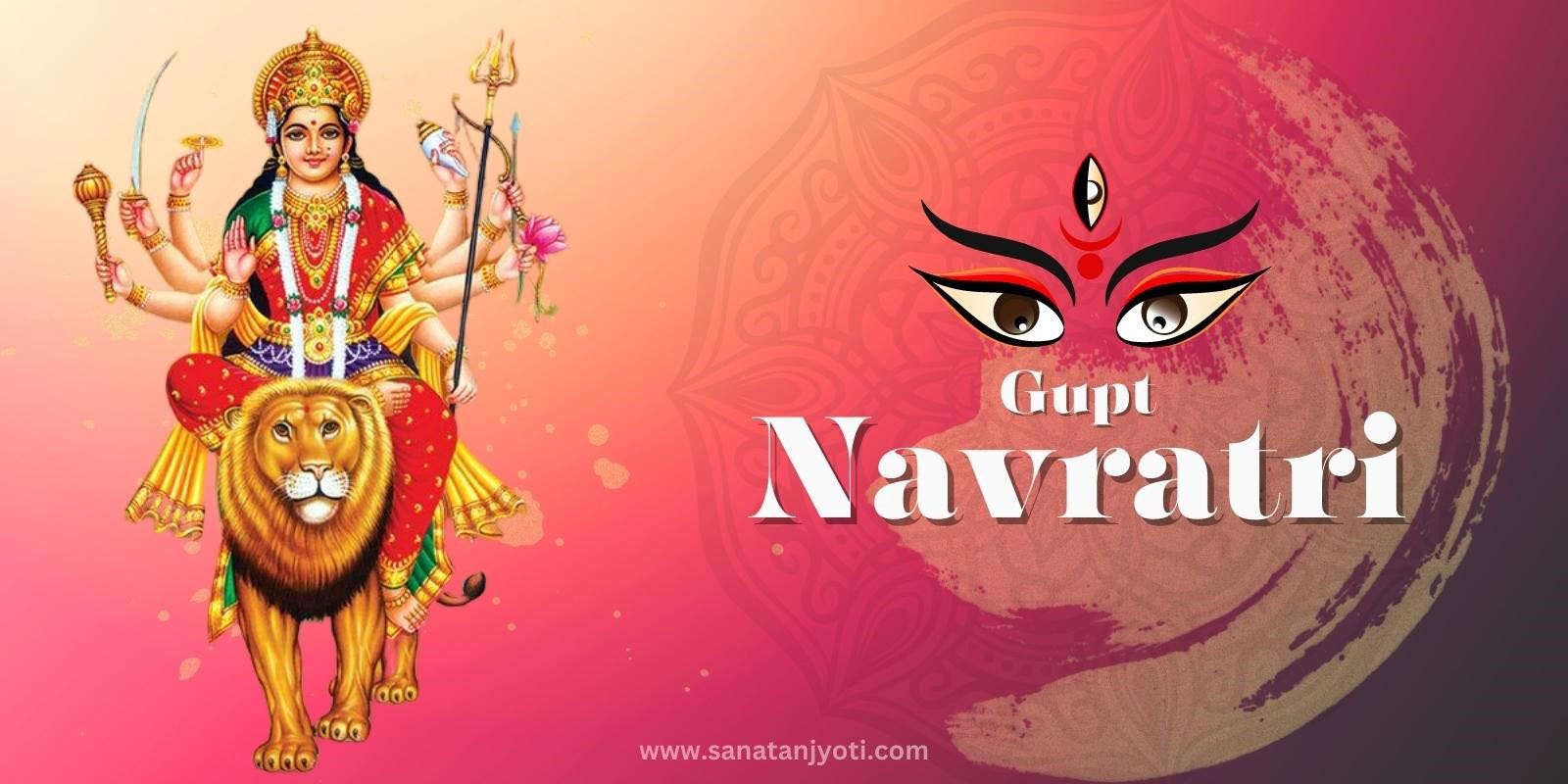
Gupt Navratri is considered a special festival dedicated to the worship of Goddess Shakti and spiritual practices in Hinduism. According to religious belief, Navratri is observed four times a year. Among these, Chaitra Navratri and Sharadiya Navratri are widely celebrated with the worship of Goddess Durga, while the Navratri observed in the months of Magha and Ashadha is known as Gupt Navratri.
Gupt Navratri is primarily associated with secret spiritual practices, Mantra Japa, Devi worship and spiritual discipline. According to religious beliefs, during this period, practitioners worship different forms of the Goddess as well as the Ten Mahavidyas. This period is considered particularly important for Tantric practitioners and Sadhus for their spiritual practices.
What Is Gupt Navratri?
Gupt Navratri is one of the Navratri festivals that is considered more secretive and practice-oriented compared to the commonly celebrated Navratris. According to religious traditions, Devi worship, Mantra Sadhana, meditation, Yantra worship and other spiritual practices are considered especially significant during this period.
During Chaitra and Sharadiya Navratri, Goddess worship is performed publicly on a large scale, whereas during Gupt Navratri, spiritual practices are traditionally kept relatively personal and confidential.
Gupt Navratri is particularly associated with Shakti worship and the Sadhana of the Ten Mahavidyas. However, Tantric practices or specialized Mantra Sadhana are traditionally considered appropriate only under the guidance of a qualified Guru or Acharya.
How Many Times Does Gupt Navratri Occur?
According to religious belief, there are four Navratris in a year:
• Chaitra Navratri
• Ashadha Gupt Navratri
• Sharadiya Navratri
• Magha Gupt Navratri
Among these, Chaitra and Sharadiya Navratri are widely celebrated with Devi worship, while the Navratri periods in Magha and Ashadha are known as Gupt Navratri.
To learn more about Chaitra Navratri, including its dates, Ghatasthapana Muhurat, Puja Vidhi for the nine forms of Goddess Durga, fasting rules, and religious significance, read: [Chaitra Navratri].
Worship of the Ten Mahavidyas During Gupt Navratri
Religious traditions particularly mention the worship of the Ten Mahavidyas during Gupt Navratri. The Ten Mahavidyas are regarded as different manifestations of Goddess Shakti.
The names of the Ten Mahavidyas are:
1. Maa Kali
2. Maa Tara
3. Maa Tripura Sundari
4. Maa Bhuvaneshwari
5. Maa Chhinnamasta
6. Maa Tripura Bhairavi
7. Maa Dhumavati
8. Maa Bagalamukhi
9. Maa Matangi
10. Maa Kamala
The Sadhana of these Mahavidyas is associated with different spiritual objectives and traditions of worship. Their forms, Mantras, methods of Sadhana and worship practices may vary across different traditions.
Why Are the Ten Mahavidyas Worshipped During Gupt Navratri?
According to religious beliefs, the Ten Mahavidyas are regarded as ten principal manifestations of Adi Shakti. During Gupt Navratri, practitioners may worship a particular Goddess according to their spiritual practice and tradition.
There is a tradition of worshipping the Goddess through Mantra, meditation, Yantra and other spiritual practices. Tantric Sadhana is considered an advanced spiritual practice, and proper guidance from a qualified Guru is considered essential.
Such practices involve not only Mantra Japa but also adherence to specific rules, conduct, purity, meditation and discipline.
Important: Tantric Sadhana or any specialized Mantra Sadhana is traditionally not considered appropriate without proper guidance from a qualified Guru or experienced Acharya. The rules and methods may differ across different Sadhana traditions.
Gupt Navratri Puja Vidhi
During Gupt Navratri, general Devi Puja may be performed according to one's family tradition. The following method may be followed:
1. Purification of the Puja Area
After taking a bath and completing your morning routine, clean the Puja area. According to your tradition, purify the place with Gangajal or clean water.
2. Establishing Goddess Durga
Place an idol or image of Goddess Durga on a clean Chouki at the Puja area. A red cloth may be spread over the Chouki according to one's tradition.
3. Kalash Sthapana
Establish the Kalash according to your tradition and take the Sankalp for the Puja while meditating upon Goddess Durga.
4. Offer Puja Samagri to Goddess Durga
Offer red clothes or a Chunari, flowers, Akshat, Roli, Kumkum, incense, a lamp and Naivedya to Goddess Durga.
5. Mantra Japa and Recitation
Chant the Mantras of Goddess Durga according to your faith and tradition. Durga Saptashati, Devi Kavach, Argala Stotra or other Devi Stotras may also be recited.
6. Perform Aarti
After completing the Puja, perform Aarti of Goddess Durga with incense and a lamp and offer prayers according to your devotion.
7. Kanya Puja
Kanya Puja may be performed according to the tradition followed on Ashtami or Navami. Young girls are honored as manifestations of the Goddess, offered food and given Dakshina or gifts according to one's means.
8. Completion of the Puja
After completing the Navratri Sadhana, perform the Puja and Aarti of Goddess Durga according to your family tradition and prescribed Puja Vidhi. Kalash Visarjan may also be performed according to tradition.
The most important aspects of Gupt Navratri Puja are considered to be devotion, purity, self-restraint and following the Puja Vidhi according to one's tradition.
What Should Be Avoided During Gupt Navratri?
During Gupt Navratri, many religious traditions place special emphasis on self-restraint and Sattvic conduct. However, the rules may vary according to different sects, families and Sadhana traditions.
Traditionally, the following practices are advised against:
• Avoid consuming meat and alcohol.
• Avoid Tamasic food.
• Stay away from intoxicants.
• Avoid unnecessary anger and arguments.
• Try to avoid lying and inappropriate conduct.
• Maintain cleanliness and purity during Puja and Sadhana.
• Do not violate the rules prescribed for the Sadhana.
• Do not perform Mantra or Tantric Sadhana without proper guidance.
• Try to avoid staying up late and excessive laziness.
• Follow the rules of Brahmacharya or self-restraint prescribed by your tradition.
Rules concerning cutting hair, trimming nails, performing a child's Mundan ceremony, using leather items, wearing particular colors of clothing or sleeping on a bed are mentioned in some specific traditions, but they cannot be considered universal religious rules for everyone. Therefore, it is advisable to follow such practices according to your family tradition or the guidance of your Guru or Acharya.
Significance of Sadhana During Gupt Navratri
Gupt Navratri is considered a special period for Shakti worship, meditation, Mantra Japa and spiritual discipline. During this period, practitioners worship the Goddess according to their faith and Sadhana tradition.
The Sadhana of the Ten Mahavidyas is associated with specialized and advanced spiritual traditions. In such practices, Mantra, Yantra, meditation and adherence to prescribed rules are considered important.
There are different religious traditions and views regarding Tantric Sadhana. Therefore, before undertaking any specialized Tantric practice, it is advisable to seek guidance from a qualified Guru or experienced Acharya.
Religious Significance of Gupt Navratri
Gupt Navratri is considered an important festival dedicated to the worship of Goddess Shakti. During this period, practitioners worship Goddess Durga and different manifestations of the Goddess according to their faith.
According to religious beliefs, Sadhana, Mantra Japa, meditation, fasting and Puja during Navratri can help develop concentration and spiritual discipline.
The primary purpose of Gupt Navratri is considered to be not only external worship but also spiritual practice, self-restraint, meditation and strengthening one's devotion toward the Goddess.
Gupt Navratri is a special festival associated with the worship of Goddess Shakti and spiritual Sadhana. Of the four Navratris observed during the year, the Navratri periods of Magha and Ashadha are known as Gupt Navratri. Along with general Devi Puja, traditions also mention the worship of the Ten Mahavidyas and specialized spiritual practices during this period.
If you are performing general Devi Puja, you may follow your family tradition. However, for any specialized Mantra, Yantra or Tantric Sadhana, guidance from a qualified Guru or experienced Acharya is traditionally considered essential.
To learn more about the four types of Navratri, worship of the nine forms of Goddess Durga, Puja Vidhi, fasting rules, and religious significance, read: [Navratri].