
Diwali 2026
When is Diwali 2026?
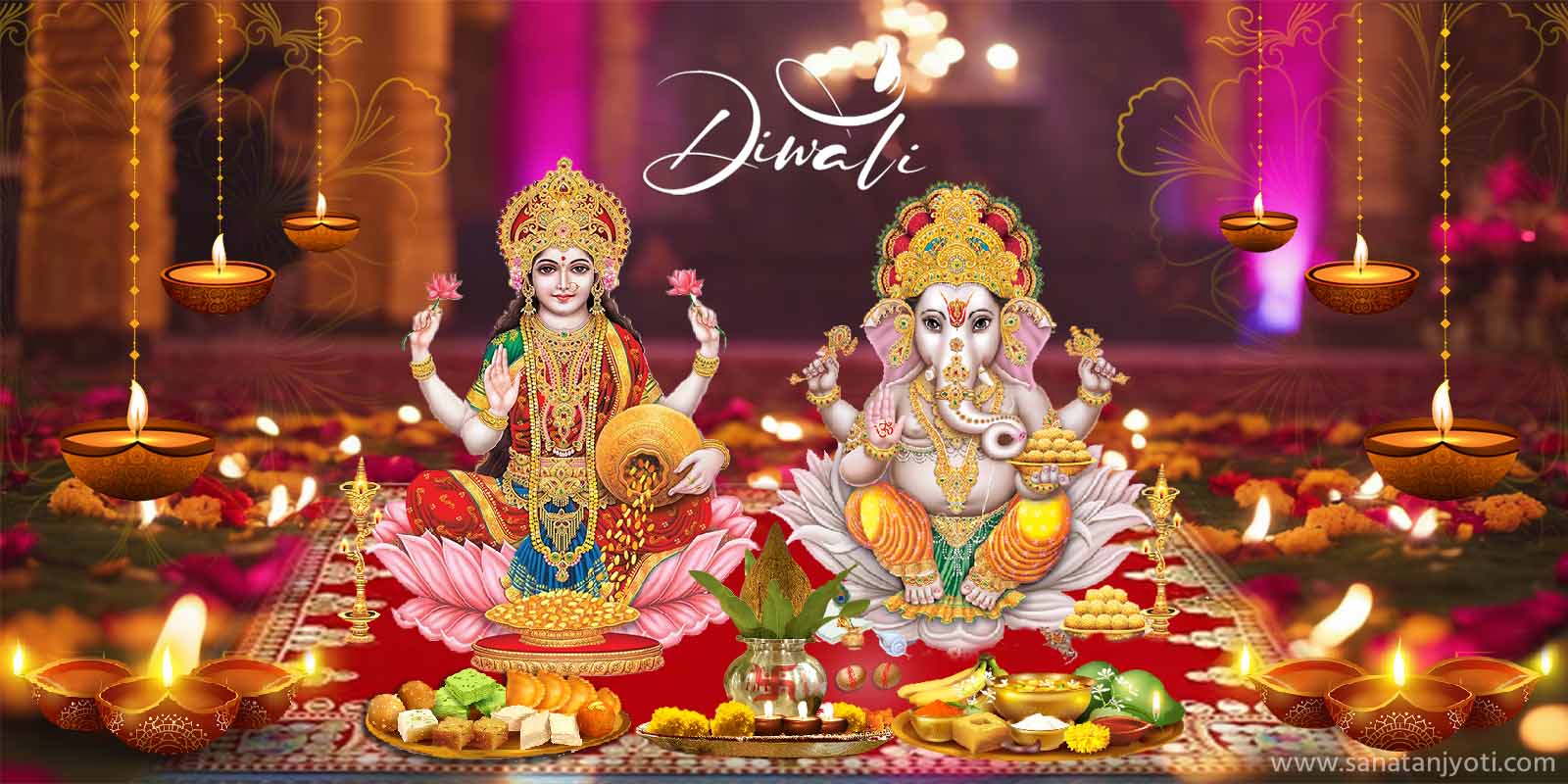
Diwali, also known as Deepavali and the Festival of Lights, is one of the major festivals of Sanatan Dharma. This festival is associated with the Amavasya Tithi of the month of Kartik, and Goddess Lakshmi and Lord Ganesha are especially worshipped on this occasion. In religious traditions, Diwali is associated with light, prosperity, auspiciousness and spiritual awakening.
In 2026, Diwali will be celebrated on Sunday, 8 November.
On the occasion of Diwali, people clean and decorate their homes and establishments, light diyas, and worship Goddess Lakshmi and Lord Ganesha. Many families also worship other deities according to their traditions.
To learn more about preparing for Diwali Puja, the required Puja Samagri and the complete worship procedure, read our detailed guide: - Diwali Puja Vidhi.
Diwali 2026 Date and Time
Diwali Festival Date: 8 November 2026, Sunday
• Amavasya Tithi Begins: 8 November 2026 at 11:30 A.M.
• Amavasya Tithi Ends: 9 November 2026 at 12:33 P.M.
Auspicious Muhurat for Lakshmi Puja:
• During Pradosh Kaal: 05:30 P.M. to 08:07 P.M.
• During Vrishabha Lagna: 05:53 P.M. to 07:49 P.M.
For Business Establishments: 8 November 2026, Sunday
• During Kumbha Lagna: 01:13 P.M. to 02:41 P.M.
• During Pradosh Kaal: 05:30 P.M. to 08:07 P.M.
• During Vrishabha Lagna: 05:53 P.M. to 07:49 P.M.
To know the exact date and auspicious Muhurat according to your location for Lakshmi Puja, lighting diyas and other religious activities on Diwali: -Check our detailed Panchang.
What is Diwali?
Diwali is one of the major religious and cultural festivals celebrated in India. It is also known as Deepavali, which is associated with a row of lamps and light. On this festival, there is a tradition of lighting diyas in homes, temples and establishments.
According to religious beliefs, Diwali is associated with various traditions, including the return of Lord Shri Ram to Ayodhya, the manifestation of Goddess Lakshmi, and the victory of light over darkness. The beliefs and methods of worship associated with Diwali may vary across different regions and traditions.
On the night of Diwali, Goddess Lakshmi is especially worshipped. Lord Ganesha is also worshipped along with Goddess Lakshmi. Among the business community, there is also a tradition of worshipping new account books and items related to business on this occasion.
Deepavali is not only a religious festival but also an occasion to share happiness with family, society and the community. People decorate their homes with lamps and rangoli, exchange greetings and distribute sweets.
Significance of the Five Days of Diwali 2026
Diwali is generally described as a five-day festival, beginning with Dhanteras and concluding with Bhai Dooj. However, the beginning of the Deepavali celebrations and the traditions associated with its different days may vary among different states and communities.
The major days associated with the Deepavali festival in 2026 are as follows:
• Dhanteras - 6 November 2026
• Kali Chaudas - 7 November 2026
• Diwali + Lakshmi Puja - 8 November 2026
• Govardhan Puja - 10 November 2026
• Bhai Dooj - 11 November 2026
What is Dhanteras?
Among the major days associated with the Diwali celebrations, Dhanteras is considered especially significant. It is also known as Dhantrayodashi. On this day, the tradition of worshipping Goddess Lakshmi, Lord Dhanvantari and Lord Kubera is followed in many places. Lighting a Yama Deep is also one of the major religious traditions associated with Dhanteras.
Dhanteras Festival Date: 6 November 2026, Friday
• Auspicious Muhurat for Dhanteras Puja (Vrishabha Lagna): 07:01 P.M. to 08:57 P.M.
• Trayodashi Tithi Begins: 6 November 2026 at 10:33 A.M.
• Trayodashi Tithi Ends: 7 November 2026 at 10:49 A.M.
On Dhanteras, people purchase new items according to their means and family traditions and pray for happiness and prosperity in their homes.
To learn more about Dhanteras, including its date, Puja Vidhi, auspicious Muhurat, worship of Lord Dhanvantari, and the religious significance of Yama Deepdan, read: Dhanteras
Choti Diwali and Naraka Chaturdashi
Among the festivals associated with Diwali, Naraka Chaturdashi is also known as Choti Diwali. On this day, traditions related to lighting diyas, worshipping Lord Shri Krishna and offering prayers to Yama Dev are followed in different regions.
Choti Diwali Date: 7 November 2026, Saturday
• Chaturdashi Tithi Begins: 7 November 2026 at 10:50 A.M.
• Chaturdashi Tithi Ends: 8 November 2026 at 11:29 A.M.
• Puja Muhurat: 05:20 P.M. to 06:57 P.M.
On this day, there is a tradition of cleaning the home, lighting diyas and performing religious prayers and worship. The religious practices followed on this day may differ across different regions.
Major Religious Stories Associated with Diwali
Several religious and mythological stories are associated with Diwali. The reasons for celebrating Deepavali and the beliefs associated with it differ across different regions and traditions. Among them, the return of Lord Shri Ram to Ayodhya and the manifestation of Goddess Lakshmi during the churning of the ocean are prominent.
Return of Lord Shri Ram to Ayodhya
After completing 14 years of exile and defeating Ravana, Lord Shri Ram returned to Ayodhya along with Goddess Sita and his brother Lakshman. To celebrate Shri Ram's return to Ayodhya, the people of the city welcomed him by lighting lamps. This tradition is considered one of the major religious references associated with Diwali.
According to religious beliefs, Diwali is associated with various traditions, including the return of Lord Shri Ram to Ayodhya, the manifestation of Goddess Lakshmi and the victory of light over darkness.
Manifestation of Goddess Lakshmi from the Churning of the Ocean
Another major religious belief associated with Diwali is related to the Churning of the Ocean (Samudra Manthan). According to tradition, Goddess Lakshmi manifested during the churning of the ocean. Goddess Lakshmi is regarded as the deity of wealth, prosperity and abundance.
For this reason, Goddess Lakshmi is especially worshipped on the night of the Amavasya of Diwali. Lord Ganesha is also worshipped along with her. The tradition of Lakshmi-Ganesha Puja on Diwali continues to be followed in many families and business establishments.
Cleaning and Decorating the Home on Diwali
There is a tradition of cleaning homes and establishments before Diwali. Along with cleaning their homes, people decorate the main entrance and place of worship with flowers, rangoli and diyas.
In religious beliefs, a clean and organised environment is considered auspicious. Therefore, on the occasion of Deepavali, people keep their homes clean and prepare a peaceful and sacred environment for worship.
Auspicious Time for Lakshmi Puja During Diwali 2026
Lakshmi Puja on Diwali is generally performed during Pradosh Kaal. In 2026, Diwali will be celebrated on Sunday, 8 November. The Pradosh Kaal Muhurat for Lakshmi Puja is from 05:30 P.M. to 08:07 P.M., while the Vrishabha Lagna Muhurat will be from 05:53 P.M. to 07:49 P.M.
Significance of Govardhan Puja
The next major festival associated with Diwali is Govardhan Puja. This festival commemorates the famous religious story associated with Lord Shri Krishna and Govardhan Hill.
According to religious belief, Lord Shri Krishna lifted Govardhan Hill on his little finger to protect the people of Braj from heavy rainfall. Following this event, the people of Braj worshipped Govardhan Hill and expressed their devotion to Lord Shri Krishna.
On the occasion of Govardhan Puja, the tradition of Annakut is also followed in many places. Various types of food are offered to the Lord and then distributed as Prasad. In 2026, Govardhan Puja will be observed on Tuesday, 10 November.
Govardhan Puja Festival Date: 10 November 2026, Tuesday
• Pratipada Tithi Begins: 9 November 2026 at 12:34 P.M.
• Pratipada Tithi Ends: 10 November 2026 at 02:01 P.M.
• Auspicious Muhurat: 10 November 2026 from 06:46 A.M. to 09:02 A.M.
To learn more about Govardhan Puja, including its date, Puja Vidhi, auspicious Muhurat, the worship of Lord Krishna, and the religious significance of Annakut, read: Govardhan Puja
Significance of Bhai Dooj
An important festival associated with the Diwali celebrations is Bhai Dooj. This festival is considered dedicated to the love, affection and family bond between brothers and sisters.
On this day, sisters apply a tilak on their brothers' foreheads and pray for their happiness, prosperity and long life. Brothers also express their love and respect towards their sisters.
In religious traditions, Bhai Dooj is also known as Yama Dwitiya. On this day, the story associated with Yama Raj and his sister Yamuna is remembered. In 2026, Bhai Dooj will be celebrated on Wednesday, 11 November.
Bhai Dooj Festival Date: 11 November 2026, Wednesday
• Auspicious Muhurat for Applying Tilak: 11 November 2026 from 01:08 P.M. to 03:18 P.M.
• Dwitiya Tithi Begins: 10 November 2026 at 02:02 P.M.
• Dwitiya Tithi Ends: 11 November 2026 at 03:55 P.M.
To learn more about Bhai Dooj, including its date, auspicious Muhurat, Puja Vidhi, traditions celebrating the bond between brothers and sisters, and religious significance, read: Bhai Dooj
What Should You Do on Diwali?
Diwali is traditionally celebrated with devotion, cleanliness and positivity. On this day, you may perform the following activities according to your family traditions and means:
• Clean your home and place of worship thoroughly.
• Decorate the main entrance and place of worship with diyas, rangoli and flowers.
• Worship Goddess Lakshmi and Lord Ganesha during the auspicious Muhurat in the evening.
• Light diyas and chant mantras according to your faith and tradition.
• Celebrate the festival together with family members.
• Donate food, clothes or useful items to people in need according to your means.
• Seek the blessings of elders and maintain love and harmony within the family.
What Should You Avoid Doing on Diwali?
According to religious and family traditions, it is advisable to avoid certain things on the occasion of Diwali.
One should avoid unnecessary arguments, anger and harsh behaviour. Devotion and cleanliness should be maintained during worship. It is also advisable to stay away from alcohol, tobacco and other intoxicating substances and to avoid gambling.
Celebrating Diwali with happiness and harmony reflects the core spirit of the festival. While using fireworks, one should also follow local regulations and take necessary safety precautions.
Significance of Lighting Diyas on Diwali
On the occasion of Deepavali, there is a tradition of lighting diyas at the main entrance of the home, the place of worship and other auspicious locations. A diya is considered a symbol of light, auspiciousness and positivity.
While lighting diyas, devotees pray for happiness, peace, prosperity and well-being for their families. Lighting traditional clay diyas is one of the traditional practices associated with Diwali.
Along with decorating the home with diyas, it is also important to place them in safe locations and take necessary precautions related to fire safety.
Significance of Making Rangoli on Diwali
On Diwali, there is a tradition of making rangoli at the main entrance and in the courtyard of the home. Rangoli is considered a symbol of auspiciousness and celebration.
Many families use flowers, colours and traditional patterns to create rangoli. In some places, footprints representing Goddess Lakshmi are also created. Along with beautifying the home, this tradition reflects the traditional spirit of welcoming Diwali.
Tradition of Giving Sweets and Gifts on Diwali
Diwali is also a festival of sharing happiness with family and society. On this occasion, people give sweets and gifts to their relatives, friends and acquaintances.
This tradition is considered a way of promoting mutual love, respect and harmony. Sharing food or useful items with people in need also gives meaning to the spirit of service associated with Deepavali.
Puja and Vedic Rituals on Diwali
On the occasion of Diwali, many devotees worship Goddess Lakshmi, Lord Ganesha and Lord Vishnu. According to their religious needs and family traditions, some people also arrange Vedic Puja or Anushthan.
If you want to arrange a complete Vedic Puja or Anushthan with proper Vedic rituals and a Sankalp on Diwali, it is advisable to seek guidance from experienced Vedic Acharyas according to your requirements.
If you want to arrange a Puja or Vedic Anushthan on the auspicious occasion of Diwali with complete Vedic rituals and full transparency by experienced Vedic Acharyas: -Learn more about the Vedic Anushthans available through Sanatan Jyoti.
Which Mantras Can Be Chanted on Diwali?
On Diwali, devotees chant mantras dedicated to Lord Ganesha and Goddess Lakshmi according to their faith and traditions. Along with mantra chanting, remembering the Lord and maintaining a spirit of devotion are also considered important.
For the worship of Goddess Lakshmi, mantras such as “Om Shreem Mahalakshmyai Namah” are traditionally chanted. During the worship of Lord Ganesha, the mantra “Om Gam Ganapataye Namah” is also commonly chanted.
While chanting mantras, it is considered appropriate to give greater importance to devotion, concentration and consistency rather than only focusing on pronunciation and the number of repetitions.
What is Puja Vidhi on Diwali?
The puja is started in the evening on the new moon day of Krishna Paksha of Kartik month by taking a bath etc. First of all, purify the place of worship by sprinkling Ganga water. Then place the stool (chauki) and spread a red cloth on it, after this keep the idols of Lord Ganesh Ji and Goddess Lakshmi Ji.
Goddess Lakshmi should be installed on the right side of Lord Ganesha. Kalash is established in many places, if you wish, then to establish the Kalash, fill a Kalash with water mixed with Ganga water and put a piece of turmeric, a coin, a betel nut and Durva in it and fill rice in a bowl on top of it and place it at the mouth of the Kalash. But firstly cover it with mango leaves.
If possible, make a Swastika in a coconut, wrap a Kalava on it and place it on the Kalash. Install the Kalash by putting some Akshat (rice) on the right side of the stool. Bathe Lord Ganesha and Mother Lakshmi with Panchamrit and Ganga water.
Then offer tilak to Ganesh ji and Mata Lakshmi ji with Roli, show incense sticks and garland them. After this, offer fruits, sweets, flowers and naivedya, etc. to Goddess Lakshmi and Lord Ganesha. Listen to the story of the glory of Goddess Lakshmi and Lord Ganesha.
After the puja is over, other lamps should be filled with mustard oil and cotton wicks should be used to light the lamps at the main entrance, temple, house, river, garden, etc. On that day, one should apply color to the cow's horns, etc., give them grass and food and worship them by circling them.
To learn the proper method of Kalash Sthapana during Diwali Puja and understand the related rituals, read our detailed guide: -Kalash Sthapana Vidhi.
Importance of worshiping Lord Ganesha and Goddess Lakshmi
On the day of Diwali, Lord Ganesha and Goddess Lakshmi are worshiped with full rituals. Mata Lakshmi is the goddess of opulence and glory. Therefore, worshiping them on the day of Diwali not only brings material happiness but also brings a lot of happiness to the house.
Lord Ganesha is worshipable first of all, hence Lord Ganesha is always worshiped along with Goddess Lakshmi. People decorate their houses according to their capacity. Mata Lakshmi Ji enters only the house where there is cleanliness. That's why everyone pays special attention to the cleanliness of their homes. Performing puja on this day brings immense wealth to the house.
Goddess Lakshmi ji loves Rangoli very much, hence you must make Rangoli at your main door. In our Sanatan culture the mango tree is considered a divine tree and the wood and leaves of the mango tree are used before starting all types of religious activities.
Even on Diwali, you should put a fringe made of marigold flowers and mango leaves on the main entrance of the house and the main entrance of the puja room. Doing this is not only considered auspicious from the religious point of view but also according to Vastu, it attracts positive energy. Apart from this, you should worship as per your tradition.
To learn about the complete Lakshmi Puja Vidhi on Diwali, the required Puja Samagri and the complete sequence of worship in detail: -Read our Diwali Puja Vidhi.
What Materials Are Needed for Lakshmi-Ganesha Puja on Diwali?
The materials used for Lakshmi-Ganesha Puja may vary according to family and regional traditions. Generally, diyas, incense, flowers, Akshat, Roli, Kumkum, fruits, sweets, Naivedya, Panchamrit, a Kalash and other Puja materials are kept for the worship.
It is advisable to arrange all the required materials before beginning the Puja so that there is no inconvenience if any item is needed during the worship.
Why Is the Home Cleaned Before Diwali?
The tradition of cleaning the home and place of worship before Diwali has been followed for a long time. The home is cleaned and then decorated with diyas, rangoli and flowers.
In religious beliefs, cleanliness is associated with auspiciousness. Therefore, it is considered important to keep the place of worship and home clean before performing Diwali Puja.
Decorating the main entrance with rangoli, diyas and flowers is also part of the traditional Diwali decorations.
What Can Be Done to Seek the Blessings of Goddess Lakshmi on Diwali?
Worshipping and remembering Goddess Lakshmi is given special importance on Diwali. Devotees keep their homes clean, decorate the place of worship and perform Lakshmi-Ganesha Puja during the auspicious Muhurat.
According to their faith and family traditions, they may also light diyas, chant mantras, perform charity and help people in need.
It is important that religious practices are performed according to one's faith and traditions. If a specific Anushthan is required, it is advisable to seek guidance from a qualified Acharya.
To learn about the complete Vedic worship procedure for Lord Ganesha and Goddess Lakshmi on Diwali, read our detailed guide: -Shri Ganesha-Mahalakshmi Puja Vidhi.
Why Is Lord Ganesha Worshipped on Diwali?
The tradition of worshipping Lord Ganesha along with Goddess Lakshmi during Diwali Lakshmi Puja is widely followed. Lord Ganesha is worshipped as the remover of obstacles and the deity of auspicious beginnings.
Therefore, on Diwali, Lord Ganesha is worshipped along with Goddess Lakshmi with prayers for happiness, peace, auspiciousness and prosperity in the family.
Which Religious Activities Can Be Performed on Diwali?
On the occasion of Diwali, various religious activities are performed according to one's faith and family traditions. These mainly include:
• Worship of Goddess Lakshmi and Lord Ganesha
• Lighting diyas and offering Deep Daan
• Mantra chanting and recitation of Stotras
• Charity and acts of merit
• Helping people in need
• Remembering Lord Vishnu and other deities
• Vedic Puja or Anushthan according to one's requirements
The purpose of these religious activities is to celebrate Deepavali with devotion, faith and a spirit of auspiciousness.
Diwali 2026 Frequently Asked Questions
1. When is Diwali in 2026?
Diwali will be celebrated on Sunday, 8 November 2026. The exact Muhurat for Lakshmi Puja may vary according to location.
2. Why is Diwali celebrated?
Several religious beliefs are associated with Diwali, including the return of Lord Shri Ram to Ayodhya and the manifestation of Goddess Lakshmi during the Churning of the Ocean. It is also regarded as a symbol of the victory of light over darkness and righteousness over evil.
3. Who is worshipped on Diwali?
The main worship performed on Diwali is dedicated to Goddess Lakshmi and Lord Ganesha. Many families also worship Lord Kubera and other deities according to their traditions.
4. When should Lakshmi Puja be performed on Diwali?
Lakshmi Puja is traditionally performed during Pradosh Kaal. The exact Puja Muhurat may vary according to the city, so it is advisable to check the Panchang according to your location.
5. What is considered auspicious to do on Diwali?
Activities such as cleaning the home, lighting diyas, performing Lakshmi-Ganesha Puja, chanting mantras, giving charity and helping people in need can be performed.
6. What should not be done on Diwali?
One should avoid unnecessary arguments, anger and harsh behaviour on Diwali. It is also advisable to stay away from gambling and intoxicating substances and to follow safety precautions and local regulations while using fireworks.
7. Is the Diwali Puja Vidhi different in different traditions?
The Diwali Puja Vidhi may vary according to family, regional and religious traditions. If you want to know the detailed sequence of worship, you can read the Diwali Puja Vidhi.
8. Why are Lakshmi and Ganesha worshipped together on Diwali?
According to religious tradition, Goddess Lakshmi is associated with wealth and prosperity, while Lord Ganesha is associated with auspicious beginnings and the removal of obstacles. Therefore, there is a tradition of worshipping both together on Diwali.
9. How many days does Diwali last?
The Diwali celebrations are generally considered a five-day festival, with Dhanteras, Naraka Chaturdashi, Diwali, Govardhan Puja and Bhai Dooj being the major days. The dates and traditions associated with these festivals may vary across different regions.
10. What is the auspicious Muhurat for Lakshmi Puja on Diwali 2026?
In 2026, Lakshmi Puja will be performed on Sunday, 8 November. The Pradosh Kaal Muhurat for Lakshmi Puja will be from 05:30 P.M. to 08:07 P.M. The Vrishabha Lagna Muhurat will be from 05:53 P.M. to 07:49 P.M.
Diwali 2026 will be celebrated on Sunday, 8 November. On this day, it is important to check the auspicious Muhurat for Lakshmi Puja according to your location. Devotees may perform Puja, chant mantras, light diyas, give charity and perform religious rituals according to their family traditions and means.
The true message of Deepavali is not limited to external light; it is also connected with bringing the light of knowledge, harmony, service and positivity into our lives.
Heartfelt wishes to you and your family for happiness, peace, prosperity and auspiciousness on Diwali 2026.