

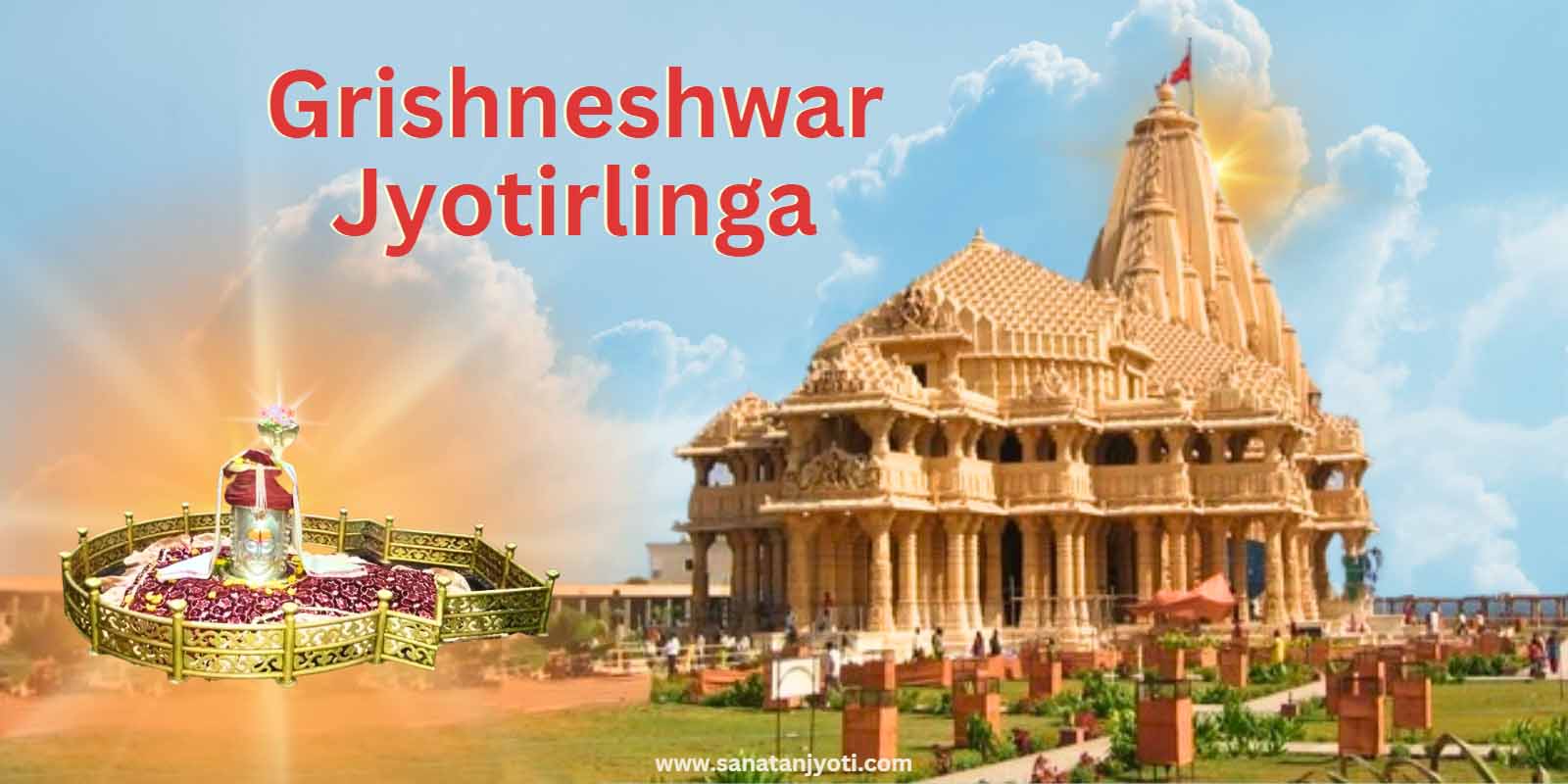
What is Ghushmeshwar Jyotirlinga?
Ghushmeshwar Jyotirlinga is considered the twelfth and final Jyotirlinga of Lord Shiva among the sacred Dwadash Jyotirlingas. It is also known as Grishneshwar and Ghrushneshwar Jyotirlinga. This divine shrine is located near Verul village, close to Daulatabad in the state of Maharashtra.
According to religious beliefs, Lord Shiva became pleased with the unwavering devotion, patience, and forgiveness of His devotee Ghushma and manifested there in the form of a Jyotirlinga known as “Ghushmeshwar.”
It is believed that worshipping and visiting this Jyotirlinga helps devotees attain relief from sins, mental peace, and the path to liberation (moksha).
If you want to know about the eleventh Jyotirlinga of Lord Shiva:-You should also read the story and spiritual significance of Rameshwar Jyotirlinga.
Where is Ghushmeshwar Jyotirlinga Located?
Ghushmeshwar Jyotirlinga is believed to be located near the Verul (Ellora) region in Maharashtra. This sacred site is situated approximately 12 miles from Daulatabad.
This holy pilgrimage site is considered a symbol of devotion, forgiveness, and unwavering faith in Lord Shiva.
According to traditional beliefs:
• It is the twelfth and final Jyotirlinga of Lord Shiva
• The sacred pond here is known as “Shivalaya”
• The place is believed to grant both worldly pleasures and spiritual liberation
Religious Significance of Ghushmeshwar Jyotirlinga
Ghushmeshwar Jyotirlinga is especially regarded as a symbol of:
• Devotion to Lord Shiva
• Patience
• Forgiveness
• Complete surrender to God
It is believed that worshipping here with faith and devotion:
• Removes sins
• Brings mental peace
• Increasing family happiness
• Eliminates negative energy
• Opens the path toward moksha
If you wish to explore the stories, spiritual significance, and divine mysteries of all the sacred Jyotirlingas of Lord Shiva:-You can also read the detailed guide on the 12 Jyotirlingas.
The Story Behind the Manifestation of Ghushmeshwar Jyotirlinga
In ancient times, near the Devagiri mountain in the southern region, there lived a learned Brahmin named Sudharma along with his wife Sudeha.
Sudharma:
• Was a scholar of the Vedas
• Regularly performed sacred fire rituals (Agnihotra)
• Worshipped guests and deities
• And was a devoted follower of Lord Shiva
His wife Sudeha was also a sincere devotee of Lord Shiva.
However, they suffered from one great sorrow — they had no children.
Why Did Sudeha Arrange Ghushma’s Marriage?
Because of childlessness, Sudeha remained deeply unhappy. Eventually, she decided to arrange the marriage of her younger sister Ghushma with her husband Sudharma.
Before the marriage, Sudharma warned Sudeha:
“When Ghushma is blessed with a child, jealousy may arise in your heart.”
But Sudeha promised that she would never become jealous of her sister.
How Did Ghushma Worship Lord Shiva?
After the marriage, Ghushma devotedly:
• Created 101 Parthiv Shivlings every day
• Worshipped them according to rituals
• And immersed them in a nearby pond after worship
This became her daily spiritual practice.
By the grace of Lord Shiva, Ghushma was eventually blessed with a handsome and virtuous son.
Why Did Jealousy Arise in Sudeha’s Mind?
As time passed, Ghushma gained greater respect within the household.
After her son got married and the family’s affection toward Ghushma increased further, Sudeha became jealous of her own sister.
Gradually, jealousy clouded her wisdom and judgment.
How Was Ghushma’s Son Killed?
One night, driven by jealousy and anger, Sudeha murdered Ghushma’s sleeping son.
She:
• Cut his body into pieces
• And threw them into the same pond
where Ghushma used to immerse the Parthiv Shivlings every day.
The next morning, the family discovered the tragic incident and grief spread throughout the house.
Why Did Ghushma Not Leave Shiva Bhakti Even in Sorrow?
Even after such a heartbreaking incident, Ghushma did not become disturbed in her daily worship of Lord Shiva.
With complete faith, she thought:
“The same Lord Shiva who blessed me with this son will also protect him.”
Despite everything, she:
• Continued her worship peacefully
• Immersed 101 Parthiv Shivlings
• And maintained complete faith in Lord Shiva
How Did Lord Shiva Manifest as Ghushmeshwar?
When Ghushma returned after immersing the Shivlings in the pond, she saw her son standing alive near the pond.
Impressed by Ghushma’s unwavering devotion and patience, Lord Shiva Himself appeared before her.
Lord Shiva said:
“I am deeply pleased with your true devotion and forgiving nature. Ask for any boon you desire.”
Lord Shiva wanted to punish Sudeha, but Ghushma humbly prayed for her sister’s forgiveness.
How Did Ghushmeshwar Jyotirlinga Manifest?
Lord Shiva became extremely pleased with Ghushma’s selfless devotion and forgiveness.
Ghushma then prayed:
“O Lord, please reside here forever, and let this Jyotirlinga become famous by my name.”
Lord Shiva accepted her request and said:
“I shall remain here forever as ‘Ghushmeshwar.’”
From that moment, Lord Shiva manifested there in the form of a Jyotirlinga and became known as “Ghushmeshwar Jyotirlinga.”
Why Did the Shivalaya Pond Become Famous?
Lord Shiva blessed that sacred pond and declared it would become famous as:
“Shivalaya.”
It is believed that:
• Merely seeing this pond fulfills desires
• Worshipping Lord Shiva here destroys sins
• And devotees attain both worldly happiness and liberation
Importance of Visiting Ghushmeshwar Jyotirlinga
According to religious beliefs, visiting Ghushmeshwar Jyotirlinga helps devotees attain:
• Family happiness
• Relief from mental stress
• Blessings of Lord Shiva
• Freedom from negative energy
• The path toward spiritual liberation
Especially during:
• Shravan Month
• Maha Shivratri
• Mondays
• And Pradosh Kaal
worship and darshan at this temple are considered highly auspicious.
If you want to know more about Rudrabhishek or special Shiva rituals:-You can get detailed information or make a booking at your convenience.
Interesting Facts About Ghushmeshwar Jyotirlinga
• Ghushmeshwar is considered the twelfth and final Jyotirlinga of Lord Shiva.
• It is also known as Grishneshwar and Ghrushneshwar Jyotirlinga.
• This Jyotirlinga is located in the Verul region of Maharashtra.
• Lord Shiva manifested here after being pleased by the devotion of His devotee Ghushma.
• The sacred pond here is known as “Shivalaya.”
Spiritual Importance of the 12 Jyotirlingas
The Dwadash Jyotirlingas are considered the twelve divine forms of Lord Shiva. Each Jyotirlinga has its own:
• Religious significance
• Mythological history
• And spiritual mystery
If you want to explore the stories, spiritual importance, and divine significance of all 12 Jyotirlingas of Lord Shiva in detail:-You should also read the complete guide on the 12 Jyotirlingas.
Frequently Asked Questions
1. Where is Ghushmeshwar Jyotirlinga located?
Ghushmeshwar Jyotirlinga is located near Verul village in Maharashtra.
2. Due to whose devotion did Ghushmeshwar Jyotirlinga manifest?
Lord Shiva manifested here after being pleased with the unwavering devotion of His devotee Ghushma.
3. Why is the Shivalaya pond famous?
According to religious beliefs, this is the sacred pond where Ghushma used to immerse the Parthiv Shivlings daily.
4. What are the benefits of visiting Ghushmeshwar Jyotirlinga?
It is believed that worshipping here destroys sins and grants both worldly happiness and spiritual liberation.
5. By what other names is Ghushmeshwar Jyotirlinga known?
It is also known as Grishneshwar and Ghrushneshwar Jyotirlinga.