

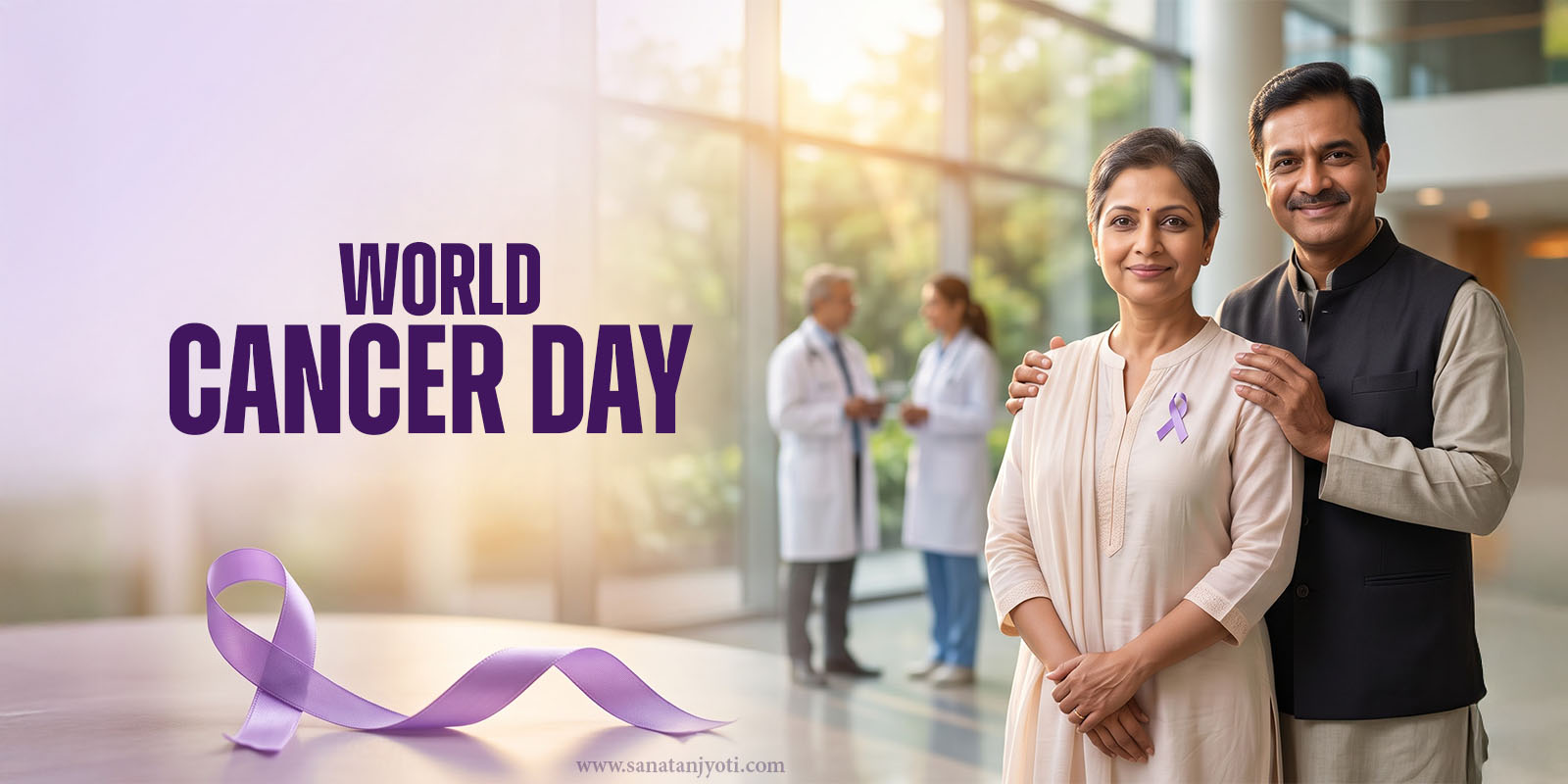
When Is World Cancer Day 2027?
World Cancer Day is observed every year on February 4. In 2027, it will be observed on Thursday. The purpose of this day is to raise awareness about cancer, highlight the importance of timely screening and treatment, and encourage society to support people affected by cancer and their families.
World Cancer Day is organized internationally under the leadership of the Union for International Cancer Control (UICC). The day encourages individuals, healthcare institutions, social organizations and governments to work together to promote cancer prevention, early detection and better care.
Key Information About World Cancer Day 2027
• Day: Thursday
• Date: February 4, 2027
• Observed: Every year on February 4
• Theme: United by Unique
• 2027 Campaign Message: Your story will drive action
What Is the Theme of World Cancer Day 2027?
The Theme for World Cancer Day from 2025 to 2027 is “United by Unique.” The message emphasizes coming together while recognizing individual differences. The campaign aims to ensure that cancer care focuses not only on the disease but also on each person's needs, experiences, emotions and circumstances.
The message for the third and final year of this campaign, 2027, is “Your story will drive action.” It highlights how people's real-life experiences can inspire concrete steps toward improving cancer care, developing better policies and providing more compassionate healthcare services.
Every person affected by cancer has a different experience. Some may face financial challenges during treatment, while others may struggle to access emotional support, reliable information or healthcare services. Person-centred care means listening to patients' needs and valuing their participation in decisions about treatment and support.
The 2027 campaign encourages individuals, patient support groups, healthcare institutions and social organizations to use personal experiences as a starting point for creating lasting change.
What Is World Cancer Day?
World Cancer Day is an international awareness day observed to spread accurate information about cancer and dispel misconceptions surrounding the disease. The occasion focuses on cancer risks, prevention, early detection, treatment and support for patients.
Cancer is not the name of a single disease but a group of diseases in which certain cells in the body grow abnormally and may spread into surrounding tissues. The type and location of cancer, its stage and the patient's overall health are important factors in determining a treatment plan.
World Cancer Day helps people understand why it is important to stay informed about cancer, take steps to reduce risk and seek medical attention promptly when needed.
History of World Cancer Day
The origins of World Cancer Day are linked to an initiative launched during the World Cancer Summit held in Paris in 2000. The Paris Charter played an important role in promoting global cooperation, research, prevention, treatment and patient care in the fight against cancer.
February 4 subsequently became the date for observing World Cancer Day. Through this initiative, the UICC provides a platform for people, healthcare organizations and institutions across different countries to raise awareness and take action against cancer.
Over time, World Cancer Day has grown beyond simply sharing information. The occasion now also emphasizes listening to patients' experiences, ensuring equitable access to healthcare, promoting early detection, supporting treatment and reducing the social stigma associated with cancer.
Why Is Cancer Awareness Important?
The impact of cancer is not limited to a patient's physical health. It can also affect family routines, mental well-being, financial circumstances and social life. Access to accurate information and timely medical care can help reduce delays in identifying and treating the disease in many cases.
The main reasons cancer awareness is important include:
• Promoting early detection: For some cancers, timely detection and treatment can increase the chances of better outcomes.
• Dispelling misconceptions: Fear, shame or misinformation about cancer may prevent people from seeking screening or medical advice.
• Understanding prevention: Measures such as avoiding tobacco, maintaining a healthy lifestyle and receiving appropriate vaccinations can help reduce the risk of certain cancers.
• Supporting patients: Patients and their families may need emotional, social and practical assistance.
• Improving access to healthcare: Timely screening, accurate diagnosis and access to appropriate treatment are important parts of cancer care.
Not every type of cancer can be prevented. However, awareness can play an important role in reducing risks and helping people recognize the disease in a timely manner.
What Are the Common Early Signs of Cancer?
Cancer symptoms vary depending on the type of cancer and the part of the body affected. Some symptoms may also occur with common illnesses, so having a single symptom does not automatically mean that a person has cancer. However, if a change persists, worsens or appears without an obvious cause, it is advisable to consult a doctor.
Some possible warning signs to watch for include:
• A new lump or swelling anywhere in the body
• Unexplained weight loss
• Persistent, unusual fatigue
• A persistent cough or changes in the voice
• Lasting changes in bowel or bladder habits
• A wound that does not heal
• Unusual bleeding or blood coming from any part of the body
• Persistent difficulty swallowing or trouble while eating
• Changes in the size, colour or appearance of a mole or mark on the skin
These symptoms can also occur for reasons other than cancer. Their purpose is not to create fear but to remind people not to ignore unusual changes in their bodies. If a symptom persists or causes concern, seek advice from a qualified doctor. For emergency or severe symptoms, seek medical attention immediately.
What Can You Do to Help Prevent Cancer?
Although not every cancer can be prevented, certain lifestyle choices and health measures can help reduce the risk of several types of cancer. Prevention recommendations may vary depending on a person's age, health, family history and other risk factors.
1. Avoid Tobacco
Smoking and other forms of tobacco use are associated with an increased risk of several types of cancer. Avoiding tobacco and seeking professional help to quit, if needed, are important steps. Try to minimize exposure to other people's smoke as well.
2. Follow a Balanced Diet and Stay Physically Active
Eat a balanced diet that includes fruits, vegetables and other nutritious foods. Engage in regular physical activity and try to maintain a healthy weight according to your age and health condition. These habits support overall health and may help reduce the risk of certain cancers.
3. Understand the Risks Associated With Alcohol
Alcohol consumption is linked to an increased risk of some cancers. Avoiding alcohol is one way to reduce this risk. The appropriate advice for an individual may depend on their health and personal circumstances.
4. Learn About Appropriate Vaccinations
Some infections can increase the risk of cancer. For example, human papillomavirus (HPV) infection is associated with cervical cancer and certain other cancers, while hepatitis B infection is associated with an increased risk of liver cancer.
HPV and hepatitis B vaccines can help protect eligible individuals against the respective infections. Consult a doctor about vaccination based on your age, health and local guidelines.
5. Get Screened When Appropriate
Screening is available for certain cancers. The type of screening and the appropriate time to undergo it depend on factors such as age, sex, family history, individual risk and relevant healthcare guidelines. Not everyone needs screening for every type of cancer. Consult a doctor for advice based on your circumstances.
6. Do Not Ignore Unusual Changes
If a symptom persists or you notice an unusual change in your body, do not delay seeking medical advice. Early diagnosis and screening are different processes: if you have symptoms, consult a doctor to determine their cause. Screening, on the other hand, is used in certain people to look for signs of disease before symptoms appear.
Maintaining a healthy lifestyle includes regular physical activity and taking care of mental well-being. Learn more about the different types of yoga, their benefits, and precautions in our guide toYoga and Its Benefits.
What Is the Difference Between Early Cancer Detection and Screening?
Early diagnosis involves examining people who already have signs or symptoms of a disease. Its purpose is to identify the cause of those symptoms and ensure timely access to appropriate treatment when necessary.
Screening is performed in people who do not have symptoms of the relevant cancer but for whom a particular screening test is recommended. Screening is most beneficial when it is appropriate for the individual and carried out at the right time in accordance with established guidelines.
Screening recommendations are not the same for every type of cancer. Therefore, it is not necessary to undergo every kind of test without medical advice. If you have a family history of cancer or are concerned about a particular risk, discuss your individual risk and suitable screening options with a doctor.
How Can You Support People Affected by Cancer and Their Families?
People living with cancer may need emotional and practical support in addition to medical care. Everyone has different needs, so it is important to listen and understand their wishes before offering help.
You can provide support in the following ways:
• Listen carefully to the patient without judging them.
• With their permission, help with hospital visits, appointments or everyday tasks.
• Respect their involvement in decisions about treatment and healthcare.
• Avoid recommending unproven treatments, home remedies or so-called miracle cures.
• Do not share the patient's private information without their permission.
• When needed, help them connect with a mental health professional, social worker or patient support group.
Do not define a person solely by their cancer diagnosis. Respecting their preferences, emotions, relationships and individual needs is also an important part of care.
What Can You Do on World Cancer Day 2027?
World Cancer Day is not just an opportunity to share information; it is also a day to turn awareness into action. Individuals, families, schools, workplaces and social organizations can participate according to their abilities.
• Share reliable information about cancer prevention and early detection.
• Encourage people to consult a doctor when needed.
• Help dispel discrimination and misconceptions associated with cancer.
• Show sensitivity and understanding toward people affected by cancer and their families.
• Participate in awareness programmes organized by healthcare institutions or trusted organizations.
• Discuss lifestyle choices, vaccinations and screening with a doctor according to your individual health needs.
• Respect patients' consent and privacy when sharing their stories.
The central message of “Your story will drive action” for 2027 is that people's experiences can inspire meaningful steps toward better and more compassionate cancer care.
Frequently Asked Questions About World Cancer Day 2027
1. When will World Cancer Day 2027 be observed?
World Cancer Day will be observed on Thursday, February 4, 2027. It is observed every year on February 4 to raise awareness about cancer.
2. What is the theme of World Cancer Day 2027?
The official campaign for 2025–2027 is “United by Unique.” The campaign message for 2027 is “Your story will drive action,” which emphasizes taking concrete steps to improve cancer care based on people's experiences.
3. Why is World Cancer Day observed?
Its purpose is to raise awareness about cancer, highlight the importance of prevention and early detection, reduce misconceptions and encourage better care for people affected by cancer.
4. When did World Cancer Day begin?
World Cancer Day originated from an initiative associated with the World Cancer Summit held in Paris in 2000 and the Paris Charter.
5. Who organizes World Cancer Day?
The international World Cancer Day campaign is led by the Union for International Cancer Control (UICC).
6. What can be the early symptoms of cancer?
Possible warning signs include a new lump, unexplained weight loss, persistent fatigue, a long-lasting cough, unusual bleeding or lasting changes in bodily habits. These symptoms can also have other causes, so medical evaluation is important.
7. Can cancer be prevented?
Not every cancer can be prevented. However, avoiding tobacco, maintaining a healthy lifestyle, receiving appropriate vaccinations and undergoing risk-based screening may help reduce the risk of certain cancers.
8. What is cancer screening?
Screening refers to tests used to look for possible signs of cancer in certain people before symptoms appear. The need for screening and the appropriate timing depend on individual risk factors and medical guidelines.
9. Does every lump or persistent symptom indicate cancer?
No. Lumps and persistent symptoms can have many different causes. However, if a change persists, worsens or causes concern, you should consult a qualified doctor.
10. How can we contribute on World Cancer Day?
You can contribute by sharing reliable information, respecting patients' privacy, helping dispel misconceptions about cancer and supporting people in accessing appropriate healthcare services.