
What is Yoga?
Yoga is one of India's oldest traditions. It is more than physical exercise. Yoga is a way of life that helps bring the body, mind, and soul together. The word "Yoga" comes from the Sanskrit word "Yuj," which means to join or unite. The main goal of Yoga is to help a person connect with themselves, nature, and God.
Today, millions of people around the world practice Yoga. They do it to stay healthy, reduce stress, and live a calm and balanced life. Regular Yoga practice makes the body stronger, relaxes the mind, improves focus, and helps build healthy daily habits.
Yoga includes asanas (postures), pranayama (breathing exercises), meditation, mudras, and cleansing practices. Together, these help improve physical health, mental peace, and overall well-being. That is why Yoga is known as a complete way to live a healthy and balanced life.
What is the Meaning of Yoga?
Yoga is not just about bending the body or performing difficult postures. Its true meaning is to create balance in life.
In the Bhagavad Gita, Lord Krishna explains yoga in different ways. In some verses, yoga is described as equanimity, while in others, it is defined as skill in action.
Yoga means:
• Balance between the mind and the body.
• Purity in thoughts and actions.
• Union of the individual soul with the Supreme.
• Control over the senses.
• Mental stability.
• The art of living a positive and balanced life.
This is why yoga is not just a form of exercise. It is a scientific and spiritual way of life.
How Did Yoga Originate?
Yoga originated in India thousands of years ago. Many scholars believe that the tradition of yoga is even older than the Vedic period. It is described in detail in the Vedas, Upanishads, Mahabharata, Bhagavad Gita, and several Puranas.
According to the Sanatan tradition, Lord Shiva is regarded as the First Yogi (Adi Yogi). It is believed that He shared the knowledge of yoga with the Saptarishis (Seven Great Sages) in the Himalayas. They later spread this wisdom across the world.
Over time, many sages and spiritual teachers developed and refined the practice of yoga. Among them, Maharishi Patanjali played a key role by organizing the principles of yoga into the Yoga Sutras. Because of this contribution, he is often known as the Father of Modern Yoga Philosophy.
Today, most yoga traditions practiced around the world are based, directly or indirectly, on the Yoga Sutras of Patanjali and the teachings of the ancient Indian sages.
Maharishi Patanjali and the Development of Yoga
Whenever the history of yoga is discussed, Maharishi Patanjali is remembered as one of its greatest teachers. He did not limit yoga to spiritual practice. Instead, he presented it as a well-organized system with clear principles and methods.
In the Yoga Sutras, Maharishi Patanjali explained the principles of yoga, the control of the mind, meditation, Samadhi, and self-realization in detail. He organized yoga into eight stages, known as Ashtanga Yoga, which continues to serve as the foundation of yoga practice today.
Maharishi Patanjali also gave one of the most famous definitions of yoga:
"Yogash Chitta Vritti Nirodhah."
It means, "Yoga is the control of the fluctuations of the mind."
For this reason, yoga schools and teachers around the world continue to regard the Yoga Sutras of Patanjali as one of the most important texts on yoga philosophy.
What is the Purpose of Yoga?
Many people believe that yoga is only for weight loss, improving flexibility, or staying fit. In reality, the purpose of yoga is much broader.
The main goals of yoga are:
• To improve physical health.
• To reduce stress and anxiety.
• To develop a calm and focused mind.
• To build self-confidence and positive thinking.
• To bring discipline and balance into daily life.
• To move toward self-realization and spiritual growth.
This is why yoga is known as a complete science for the overall development of the body, mind, and soul.
Why is Yoga Important in Modern Life?
Modern life is fast-paced and often stressful. Spending long hours in front of a computer, unhealthy eating habits, lack of sleep, stress, and limited physical activity have become common problems. As a result, conditions such as back pain, neck pain, obesity, high blood pressure, diabetes, anxiety, and depression are becoming more common.
In such a lifestyle, yoga offers a natural and effective solution. Regular yoga practice helps keep the body active, the mind calm, and life balanced. That is why doctors, fitness experts, and health organizations around the world recommend yoga as part of a healthy lifestyle.
Major Types of Yoga
Yoga is not limited to one practice. In the Sanatan tradition, it is divided into different paths based on the purpose of the practice and the seeker's spiritual journey. Each type of yoga has its own methods and goals, but all of them aim to improve physical health, mental peace, self-realization, and spiritual growth.
Most yoga styles practiced around the world today are based on these ancient traditions.
What is Raja Yoga?
Raja Yoga is considered the highest path of yoga. It focuses on controlling the mind, intellect, and consciousness. The Ashtanga Yoga system described by Maharishi Patanjali is regarded as the foundation of Raja Yoga.
The goal of Raja Yoga is to help a person attain mental peace and experience higher consciousness through meditation, concentration, and self-realization.
Regular practice of Raja Yoga can:
• Calm the mind.
• Improve decision-making skills.
• Reduce stress and anxiety.
• Build self-confidence.
• Support spiritual growth.
What is Karma Yoga?
Karma Yoga is the path of selfless action. It teaches people to perform their duties without expecting rewards.
In the Bhagavad Gita, Lord Krishna teaches Arjuna that one should continue to perform one's duties without becoming attached to the results.
Karma Yoga teaches us to:
• Work with honesty and dedication.
• Let go of attachment to the outcome.
• Value service and duty above personal gain.
• Work for the welfare of society and humanity.
Today, anyone can practice Karma Yoga through sincere and selfless actions in daily life.
What is Jnana Yoga?
Jnana Yoga is the path of knowledge and self-inquiry. It encourages a person to discover the truth through study, reflection, and wisdom.
Those who follow Jnana Yoga study the Vedas, Upanishads, Bhagavad Gita, and other spiritual texts to understand the relationship between the individual soul and the Supreme.
Jnana Yoga helps develop:
• Wisdom.
• Positive thinking.
• Better decision-making skills.
• Self-reflection.
• Spiritual awareness.
What is Bhakti Yoga?
Bhakti Yoga is the path of love, devotion, and surrender. In this practice, devotees seek spiritual growth through complete faith and devotion to God.
The main practices of Bhakti Yoga include:
• Bhajans (devotional songs).
• Kirtans (devotional chanting).
• Mantra chanting.
• Puja (worship).
• Prayer and devotion.
• Constant remembrance of God.
Bhakti Yoga brings peace to the mind and nurtures love, compassion, and humility.
What is Hatha Yoga?
Hatha Yoga is the most widely practiced form of yoga in the world today.
It focuses on improving physical health through yoga postures (asanas), pranayama (breathing techniques), mudras, bandhas, and cleansing practices.
Hatha Yoga is considered the best starting point for beginners.
Regular practice of Hatha Yoga can:
• Improve flexibility.
• Strengthen the muscles.
• Support a healthy spine.
• Improve digestion.
• Reduce stress.
• Increase energy levels.
What is Ashtanga Yoga?
Maharishi Patanjali divided yoga into eight stages, known as Ashtanga Yoga. It is considered one of the most systematic and scientific approaches to yoga.
The purpose of Ashtanga Yoga is to bring harmony to both the outer and inner aspects of life.
The Eight Limbs of Ashtanga Yoga
1. Yama
Yama is the first stage and focuses on ethical and social discipline. It includes principles such as Ahimsa (non-violence), Satya (truthfulness), Asteya (non-stealing), Brahmacharya (self-restraint), and Aparigraha (non-possessiveness).
2. Niyama
Niyama refers to personal discipline and self-practice. It includes:
• Shaucha (cleanliness).
• Santosha (contentment).
• Tapas (self-discipline).
• Swadhyaya (self-study).
• Ishvara Pranidhana (surrender to God).
3. Asana
Asana is the most recognized part of yoga. Yoga postures help make the body strong, flexible, balanced, and healthy. Regular practice can also help prevent many physical health problems.
4. Pranayama
Pranayama is the scientific practice of controlling breath. It helps balance the body's vital energy, promotes relaxation, and supports mental well-being.
5. Pratyahara
Pratyahara means withdrawing the senses from external distractions and turning the attention inward. It is considered an important step in preparing the mind for meditation.
6. Dharana
Dharana means focusing the mind on a single object, thought, or goal. This practice improves concentration and strengthens mental focus.
7. Dhyana
Dhyana, or meditation, is one of the most important parts of yoga. Regular meditation helps reduce stress, improve mental clarity, and create a deep sense of inner peace.
8. Samadhi
Samadhi is the final and highest stage of Ashtanga Yoga. In this state, the practitioner experiences self-realization and higher consciousness, while the mind becomes completely calm and free from distractions.
Major Benefits of Yoga
Yoga is much more than a way to stay physically fit. It is a scientific and spiritual practice that helps create balance in every aspect of life. Regular yoga practice brings positive changes to your physical, mental, emotional, and spiritual well-being. This is why doctors, health experts, and yoga instructors around the world recommend yoga as part of a healthy lifestyle.
Physical Benefits of Yoga
Practicing yoga regularly helps make the body stronger, more flexible, and more energetic. Yoga postures support healthy muscles, bones, joints, and spine while improving balance and flexibility.
Regular yoga practice can:
• Improve flexibility.
• Strengthen the muscles.
• Help relieve back, neck, and joint pain.
• Support healthy digestion.
• Improve blood circulation.
• Enhance respiratory function.
• Strengthen the immune system.
• Help maintain a healthy body weight.
• Support heart health.
Mental Benefits of Yoga
In today's fast-paced world, stress, anxiety, poor sleep, and depression have become common. Yoga plays an important role in calming the mind and promoting emotional balance.
Regular yoga and meditation can:
• Reduce stress.
• Help manage anxiety.
• Promote inner peace.
• Improve concentration.
• Build self-confidence.
• Encourage positive thinking.
• Improve sleep quality.
• Support emotional well-being.
Why is Yoga Beneficial for Women?
Yoga offers many benefits for women beyond physical fitness. It also supports hormonal balance, emotional health, and overall well-being.
Regular yoga practice can help women:
• Improve flexibility.
• Reduce stress and fatigue.
• Relieve back and lower back pain.
• Maintain better emotional balance.
• Adopt a healthier lifestyle.
Benefits of Yoga for Students
Students today often deal with academic pressure, competitive exams, and long hours of screen time. Yoga can help them stay focused and mentally healthy.
Regular yoga practice helps students:
• Improve memory.
• Increase concentration.
• Build self-confidence.
• Reduce exam-related stress.
• Enhance learning ability.
Benefits of Yoga for Office Workers
Many people spend long hours sitting in front of a computer or laptop. This can lead to back pain, neck pain, shoulder stiffness, and mental fatigue.
Yoga can help office workers by:
• Relieving neck and back pain.
• Improving posture.
• Reducing mental stress.
• Increasing productivity.
• Maintaining energy throughout the day.
Many simple yoga poses and breathing exercises can even be practiced while sitting on a chair.
Benefits of Yoga for Older Adults
As people age, the body naturally becomes less flexible, and health problems may become more common. Gentle yoga poses and pranayama are generally considered safe and beneficial for older adults.
Yoga can help older adults:
• Improve balance.
• Maintain joint mobility.
• Promote mental peace.
• Improve blood circulation.
• Make daily activities easier.
What is the Best Time to Practice Yoga?
One of the most common questions is, when is the best time to practice yoga?
The ideal time is early in the morning, before sunrise or shortly after sunrise. At this time, the environment is quiet and fresh, making it easier to focus.
If practicing in the morning is not possible, light yoga can also be done in the evening. However, yoga should not be practiced immediately after eating. It is generally recommended to wait 3–4 hours after a meal before practicing.
Rules for Practicing Yoga
To get the most benefit from yoga, follow these simple guidelines:
• Practice yoga on an empty stomach or several hours after a light meal.
• Choose a clean, quiet, and well-ventilated place.
• Wear comfortable, loose-fitting clothing.
• Practice according to your ability.
• Do not put unnecessary strain on your body.
• Stay consistent with your practice.
• If you have a serious illness or injury, consult a qualified healthcare professional before practicing.
Safety Tips While Practicing Yoga
Yoga is generally safe, but practicing incorrectly may lead to injury. Keep these precautions in mind:
• Learn advanced poses under the guidance of a qualified yoga teacher.
• Never force your body into a pose if you feel pain.
• If you are pregnant or have heart disease or another serious medical condition, seek medical advice before practicing.
• Avoid holding your breath unnecessarily.
• Increase the intensity of your practice gradually, according to your body's ability.
Why is International Yoga Day Celebrated?
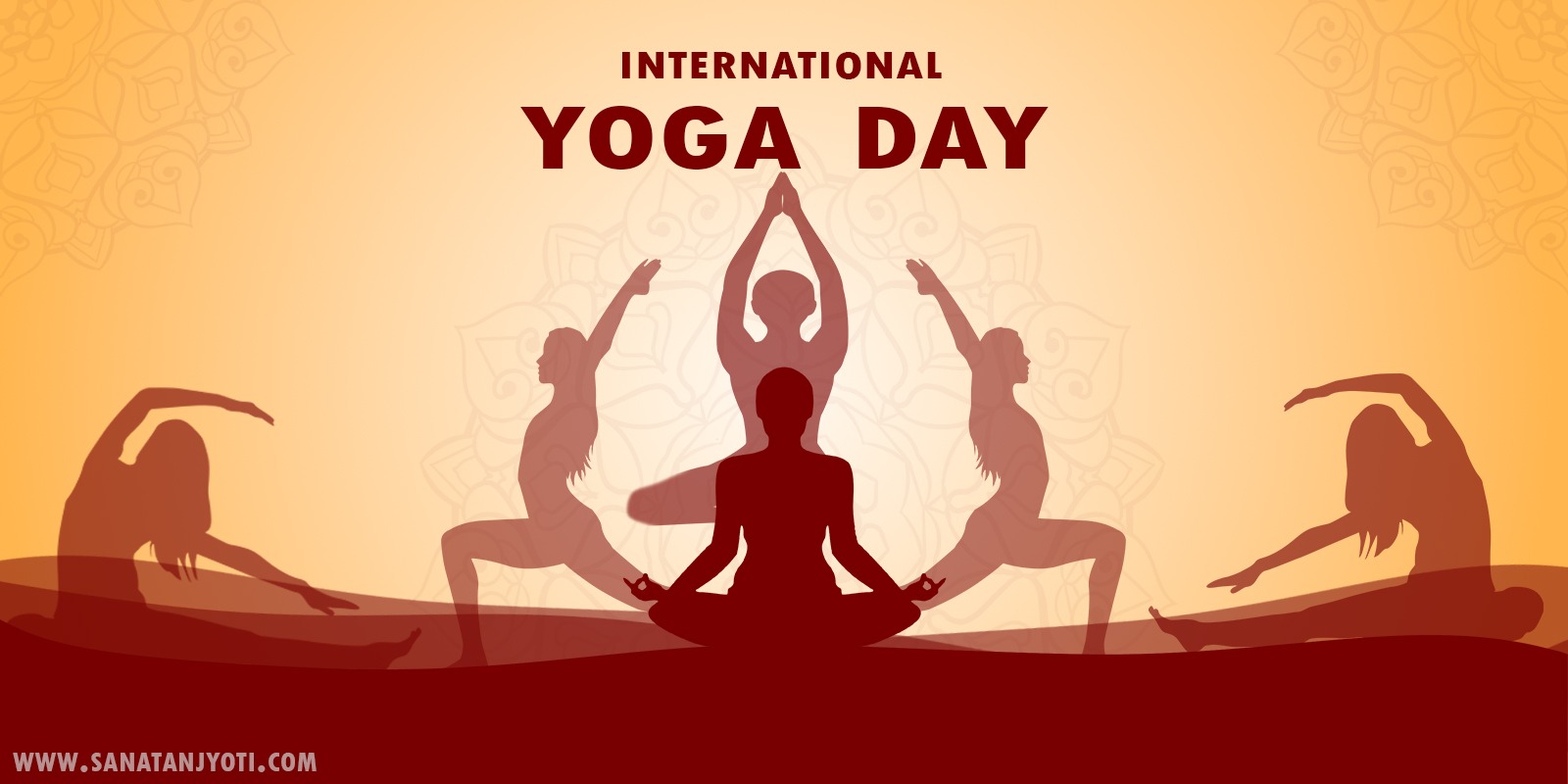
International Yoga Day is observed every year on 21 June to raise awareness about the importance of yoga and its health benefits.
In 2014, the United Nations General Assembly adopted a proposal introduced by India's Prime Minister, Narendra Modi, declaring 21 June as International Yoga Day. The first celebration was held on 21 June 2015.
Today, millions of people in more than 190 countries take part in mass yoga sessions, wellness programs, yoga camps, and cultural events to mark the occasion.
International Yoga Day is more than just an annual event. It is a global reminder of the importance of living a healthy, balanced, and stress-free life.
Frequently Asked Questions
1. What is Yoga?
Yoga is an ancient Indian practice that helps create harmony between the body, mind, and soul.
2. What is the best time to do yoga?
The best time to practice yoga is early in the morning on an empty stomach.
3. Can people of all ages practice yoga?
Yes. With proper guidance and by practicing according to their ability, children, adults, women, and older adults can all benefit from yoga.
4. Can yoga help reduce stress?
Yes. Regular practice of yoga, pranayama, and meditation is known to help reduce stress, anxiety, and mental restlessness.
If you would like to learn more about yoga, meditation, pranayama, the yoga traditions of Sanatan Dharma, or a spiritual way of life: -You can receive free consultation and detailed guidance from the experienced Acharyas of Sanatan Jyoti.
Yoga is much more than a form of exercise. It is a complete way of life that brings harmony to the body, mind, and soul. Regular practice improves physical health, promotes mental peace, and encourages a more positive outlook on life.
Whether you are a student, a working professional, a woman, or an older adult, yoga offers benefits for every stage of life. When practiced with the right technique, consistency, and discipline, yoga can become a powerful tool for living a healthy, balanced, and fulfilling life.