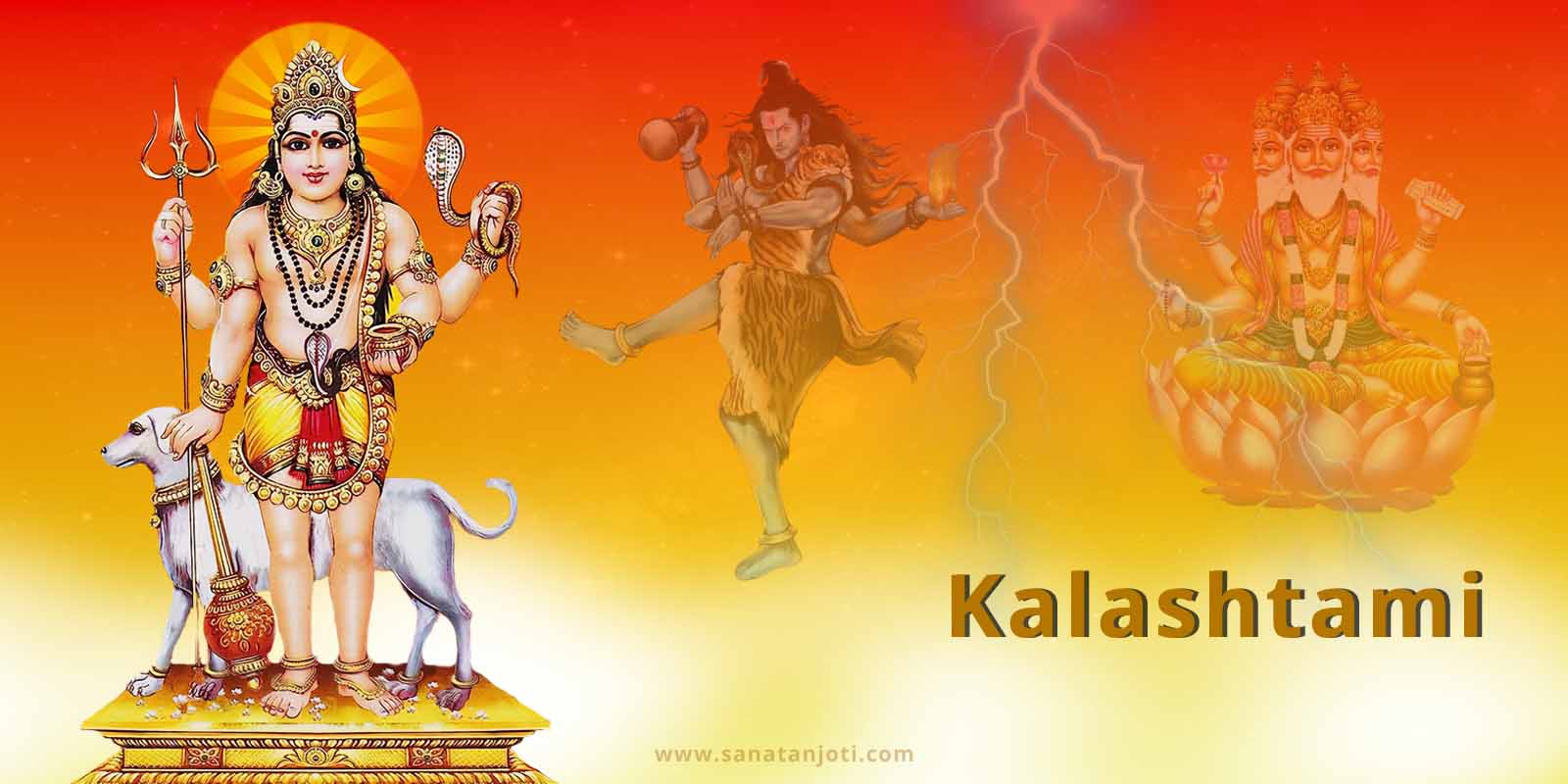
Kalashtami is an important monthly Hindu fast and worship dedicated to Lord Kala Bhairava, the fierce and protective form of Lord Shiva. It is observed every month on the Ashtami Tithi of Krishna Paksha. According to Hindu beliefs, worshipping Lord Kala Bhairava, observing a fast, and performing night-time prayers on this day help devotees overcome fear, negative energy, and many obstacles in life.
If you want to know when Kalashtami 2026 falls, its date, Puja Vidhi, auspicious Muhurat, fasting rules, the significance of Lord Kala Bhairava worship, what to do, what to avoid, recommended Bhog, sacred mantras, and its religious importance, this guide provides complete information.
When Is Kaalashtami in 2026?
In 2026, Kaalashtami will be observed on Sunday, November 1, 2026. It falls on the Ashtami Tithi of Krishna Paksha in the month of Kartik. On this day, devotees worship Lord Kaal Bhairav, observe a Vrat, light a lamp with mustard oil and chant the Mantra “Om Kaalabhairavaya Namah.” According to religious beliefs, worshipping Lord Kaal Bhairav with devotion and according to the prescribed rituals is believed to bring His special blessings.
Kaalashtami 2026 Date
• Ashtami Tithi Begins: October 31, 2026, at 4:59 PM
• Ashtami Tithi Ends: November 1, 2026, at 2:52 PM
If you want to know the exact Kalashtami 2026 date, auspicious Puja Muhurat, Nishita Kaal, and other important Panchang details: - Be sure to check our detailed Vedic Panchang.
You can find the most auspicious Puja time based on your location and birth chart.
The Significance of Kalashtami and Lord Kala Bhairava
Kalashtami is much more than a monthly fast. It is a sacred day dedicated to Lord Kala Bhairava, the fierce and justice-loving form of Lord Shiva.
According to Sanatan Dharma, worshipping Lord Kala Bhairava on every Krishna Paksha Ashtami helps devotees overcome fear, obstacles, negative energy, and mental unrest.
Lord Kala Bhairava is revered as the Lord of Time (Kala), the protector of Dharma, and the chief of Lord Shiva's divine attendants (Ganas). Hindu tradition believes that He protects His devotees, destroys injustice, and gives courage and security to those who walk the path of righteousness.
It is believed that devotees who observe the Kalashtami fast with faith and worship Lord Kala Bhairava sincerely receive relief from many of life's difficulties while gaining confidence and positive energy. For this reason, special Puja, Abhishek, and night-time worship are organized at many Shiva and Kala Bhairava temples across India.
The black dog is considered the sacred vehicle (Vahana) of Lord Kala Bhairava. Therefore, feeding and caring for a black dog on Kalashtami is regarded as an auspicious act that symbolizes compassion, kindness, and respect for all living beings.
What Should You Do on Kalashtami?
According to Hindu traditions, the following practices are considered auspicious on Kalashtami:
• Wake up early, take a holy bath, and meditate on Lord Shiva and Lord Kala Bhairava.
• Observe the Kalashtami fast according to your faith and family tradition.
• Offer flowers, sandalwood paste, mustard oil, coconut, black gram (Urad Dal), black sesame seeds, and Lord Kala Bhairava's favorite Bhog.
• Chant the sacred mantra "Om Kalabhairavaya Namah" or recite the Kala Bhairava Stotra with devotion.
• Light a mustard oil lamp in the evening and perform Aarti.
• Visit a Kala Bhairava Temple, if possible, and seek the Lord's blessings.
• Feed a black dog with chapati, milk, or other suitable food.
• Donate food, clothes, or other essential items according to your ability.
• Spend the evening remembering Lord Shiva and Lord Kala Bhairava through prayers, Bhajans, or meditation.
What Should You Avoid Kalashtami?
Along with worship and fasting, maintaining good conduct is considered equally important in Kalashtami. According to religious traditions, devotees should avoid the following:
• Do not give in to anger, speak lies, or use harsh language.
• Avoid insulting others or getting involved in unnecessary arguments.
• Stay away from alcohol, intoxicants, and Tamasic food.
• Do not harm animals or birds.
• Do not perform the fast or Puja merely as a ritual. Worship with sincerity, devotion, and self-discipline.
• Avoid any action that goes against Dharma and try to maintain positive thoughts throughout the day.
Kalashtami Puja Vidhi
According to Hindu beliefs, Lord Kala Bhairava and Lord Shiva should be worshipped on Kalashtami with devotion, purity, and proper rituals. It is believed that sincere worship on this sacred day brings the blessings of Lord Kala Bhairava and helps devotees progress on the path of Dharma.
If you are observing Kalashtami Vrat for the first time, you can follow the Puja Vidhi below.
Morning Preparation
• Wake up during Brahma Muhurta or before sunrise.
• Take a bath and wear clean, fresh clothes.
• Purify the worship area by sprinkling Gangajal.
• Take a sincere vow to observe the fast while meditating on Lord Shiva and Lord Kala Bhairava.
• If possible, visit a nearby Shiva or Kala Bhairava Temple for Darshan.
Puja Samagri Required
The following items are commonly used during Kalashtami Puja:
• Gangajal
• Clean water
• Red or white flowers
• Sandalwood paste
• Akshat
• Incense sticks and a lamp
• Mustard oil
• Coconut
• Black sesame seeds
• Black gram
• Betel leaves
• Fresh fruits
• Prasad
• Camphor
You may also include other Puja items according to your family traditions and local customs.
How to Worship Lord Kala Bhairava
Follow these steps during Puja:
1. Meditate on Lord Shiva and Lord Kala Bhairava.
2. Offer Gangajal and clean water.
3. Offer sandalwood paste, Akshat, and fresh flowers.
4. Light a mustard oil lamp.
5. Offer black sesame seeds and Urad Dal.
6. Offer coconut, betel leaves, and your chosen Bhog.
7. Perform Aarti with incense and a sacred lamp.
8. At the end of the Puja, pray sincerely and seek the blessings of Lord Kala Bhairava.
If possible, visit Kala Bhairava Temple in the evening, light a lamp, and offer your prayers.
Which Mantra Should Be Chanted on Kalashtami?
Chanting the sacred mantras of Lord Kala Bhairava on Kalashtami is considered highly auspicious. According to Hindu tradition, reciting these mantras with devotion and concentration helps bring inner peace and invites the blessings of Lord Kala Bhairava.
Main Mantras
• Om Kalabhairavaya Namah
• Om Bhairavaya Namah
If time permits, devotees may also recite the Kala Bhairava Ashtakam, Kala Bhairava Chalisa, or sacred mantras dedicated to Lord Shiva.
What Bhog Should Be Offered on Kalashtami?
According to Hindu traditions, the following offerings are considered auspicious for Lord Kala Bhairava on Kalashtami:
• Jalebi
• Imarti
• Betel leaves
• Coconut
• Black gram (Urad Dal)
• Black sesame seeds
• Seasonal fruits
After offering the Bhog, perform the Aarti with devotion and distribute the Prasad among your family members and other devotees.
Kalashtami Fasting Rules
If you are observing the Kalashtami Vrat, the following guidelines are traditionally followed:
• Follow a Sattvic lifestyle throughout the day.
• Avoid anger, lies, and unnecessary arguments.
• Do not consume meat, alcohol, or other Tamasic foods.
• Spend as much time as possible remembering Lord Shiva and Lord Kala Bhairava.
• Perform charity according to your ability.
• Show kindness and compassion toward animals and birds.
• Feeding a black dog is considered especially auspicious on this day.
• In the evening, spend time chanting, praying, or singing Bhajans dedicated to Lord Kala Bhairava.
According to religious beliefs, a Kalashtami fast observed with faith, self-discipline, and devotion is considered especially rewarding.
Who Can Observe the Kalashtami Fast?
Many people wonder whether the Kalashtami Vrat is meant only for men or ascetics. According to Hindu traditions, any devotee who wishes to worship Lord Kala Bhairava with faith and sincerity may observe this fast.
The fast can be observed by:
• Men
• Women
• Married couples
• Unmarried boys and girls
• Elderly devotees
The type of fasting depends on one's health, family traditions, and personal faith. Some devotees observe a complete fast throughout the day, while others consume fruits and light sattvic food before performing the Puja.
Religious Significance of Kalashtami
In Sanatan Dharma, Kalashtami is regarded as one of the most sacred days for the worship of Lord Kala Bhairava, the fierce and justice-protecting form of Lord Shiva.
According to Hindu beliefs, worshipping Lord Kala Bhairava on this day with devotion is believed to inspire courage, self-confidence, and positive energy. Devotees pray for protection from fear, negative influences, and the many obstacles they face in life.
Religious traditions also believe that observing the Kalashtami Vrat and performing the Puja with sincere devotion may:
• Invite the blessings of Lord Kala Bhairava.
• Seeking protection from difficulties and obstacles.
• Promote inner peace and strengthen mental resilience.
• Pray for happiness, harmony, and positivity within the family.
• Deepen devotion to Lord Shiva and Lord Kala Bhairava while strengthening one's spiritual journey.
These benefits are based on traditional Hindu beliefs and religious practices.
The Story of Kalashtami
According to Vamana Purana, the story of Lord Kala Bhairava is closely connected with the powerful demon Andhaka.
The Purana narrates that Andhaka, who is believed to have originated from the sweat of Lord Shiva, became an extremely powerful but arrogant demon. As his strength increased, he turned toward sinful deeds and began troubling the gods and righteous beings.
During a fierce battle between the Devas and the Asuras, the demon army suffered heavy losses. Seeing the destruction, Shukracharya, the guru of the Asuras, advised Andhaka to withdraw from the battlefield and return at a more favorable time to fight Lord Shiva again.
However, Andhaka rejected this advice. Filled with pride, he declared that a true warrior never runs away from battle. Confident in his immense power, he vowed to defeat Indra and all the other gods.
Determined to continue the war, Andhaka ordered his charioteer to drive directly toward Lord Shiva. Riding a chariot pulled by incredibly swift horses, he eventually reached the battlefield and launched a fierce attack, covering Brahma, Vishnu, Shiva, and the other gods with a shower of arrows.
Seeing the gods surrounded by arrows, Lord Vishnu encouraged them to act wisely. He explained that victory could only be achieved by defeating Andhaka. Following His advice, the gods first destroyed the demon's chariot, killed its horses, and eliminated his charioteer, leaving Andhaka without support on the battlefield.
Enraged by the destruction of his chariot, Andhaka abandoned his bow, picked up a mighty mace, and charged Lord Shiva. Roaring like thunder, he challenged the Lord, claiming that even though he now stood alone, he still possessed enough strength to win the battle.
In response, Lord Shiva absorbed the powers of Indra, Brahma, and the other gods into Himself. He then stood alone before the demon and declared that He was fully prepared to face him in battle.
As Andhaka rushed forward with his mace, Lord Shiva manifested His fierce form as Lord Kala Bhairava. This terrifying form shook the three worlds. Radiating immense divine power, Kala Bhairava struck the demon and pierced his heart with His Trishul (trident).
The scriptures describe this awe-inspiring form of Lord Bhairava as having matted locks, three eyes, ten arms, a garland of serpents, tiger-skin garments, and a brilliance equal to millions of suns.
Even after being pierced by the trident, Andhaka continued to fight with great determination. He struck Lord Shiva with his mace and struggled fiercely. During the battle, streams of blood flowed in all directions.
According to the Vamana Purana, from these streams of blood emerged eight divine forms of Bhairava, each possessing unique powers. These sacred forms later became known by names such as Kalaraja, Kamaraja, Somaraja, Svecchandaraja, and other manifestations of Ashta Bhairava.
Finally, Lord Kala Bhairava defeated the demon Andhaka, freeing the gods from fear and restoring peace and righteousness.
According to Hindu tradition, reading, listening to, or narrating this sacred story with devotion is believed to remove fear, destroy negative energy, and bring peace, prosperity, and spiritual strength into one's life. It is also believed to inspire courage and deepen devotion to Lord Kala Bhairava.
Frequently Asked Questions About Kalashtami 2026
1. When is Kalashtami in 2026?
In 2026, Kalashtami will be observed on Friday, 4 September 2026.
2. Which deity is worshipped on Kalashtami?
Kalashtami is dedicated to Lord Kala Bhairava, the fierce and justice-protecting form of Lord Shiva.
3. Is observing a fast on Kalashtami compulsory?
No. Observing the Kalashtami Vrat is a matter of personal faith. Some devotees keep a full-day fast, while others worship Lord Kala Bhairava through Puja, Aarti, and mantra chanting without fasting.
4. What Bhog should be offered on Kalashtami?
According to Hindu traditions, you may offer the following to Lord Kala Bhairava:
• Jalebi
• Imarti
• Coconut
• Betel leaves
• Black sesame seeds
• Black gram (Urad Dal)
• Seasonal fruits
5. Which mantra should be chanted on Kalashtami?
The most commonly chanted mantra on Kalashtami is: "Om Kalabhairavaya Namah."
Devotees chant this mantra with devotion to seek the blessings of Lord Kala Bhairava.
6. Why is a black dog fed on Kalashtami?
According to Hindu beliefs, the black dog is considered the sacred vehicle (Vahana) of Lord Kala Bhairava. Feeding and caring for a black dog on this day is regarded as an auspicious act of devotion.
7. Can women observe the Kalashtami fast?
Yes. According to religious traditions, both men and women can observe the Kalashtami Vrat with devotion and faith.
8. What is the most auspicious time to perform Kalashtami Puja?
The most auspicious time for Kalashtami Puja depends on the Ashtami Tithi and your local Panchang. Therefore, it is recommended to check the Puja Muhurat based on your location before performing the rituals.
Kalashtami is a sacred festival that inspires devotees to cultivate devotion, courage, self-discipline, and a commitment to the path of Dharma through the worship of Lord Kala Bhairava. In 2026, the festival will be observed on Friday, 4 September.
According to Hindu beliefs, worshipping Lord Kala Bhairava and Lord Shiva with sincere devotion and proper rituals on this day is believed to bring positivity, self-confidence, spiritual growth, and divine blessings into one's life.
If you would like to know the auspicious Kalashtami Muhurat, learn more about Kala Bhairava Puja, Kalashtami Vrat, Panchang, or receive personalized astrological guidance: -You can consult our experienced Acharyas for expert guidance.