
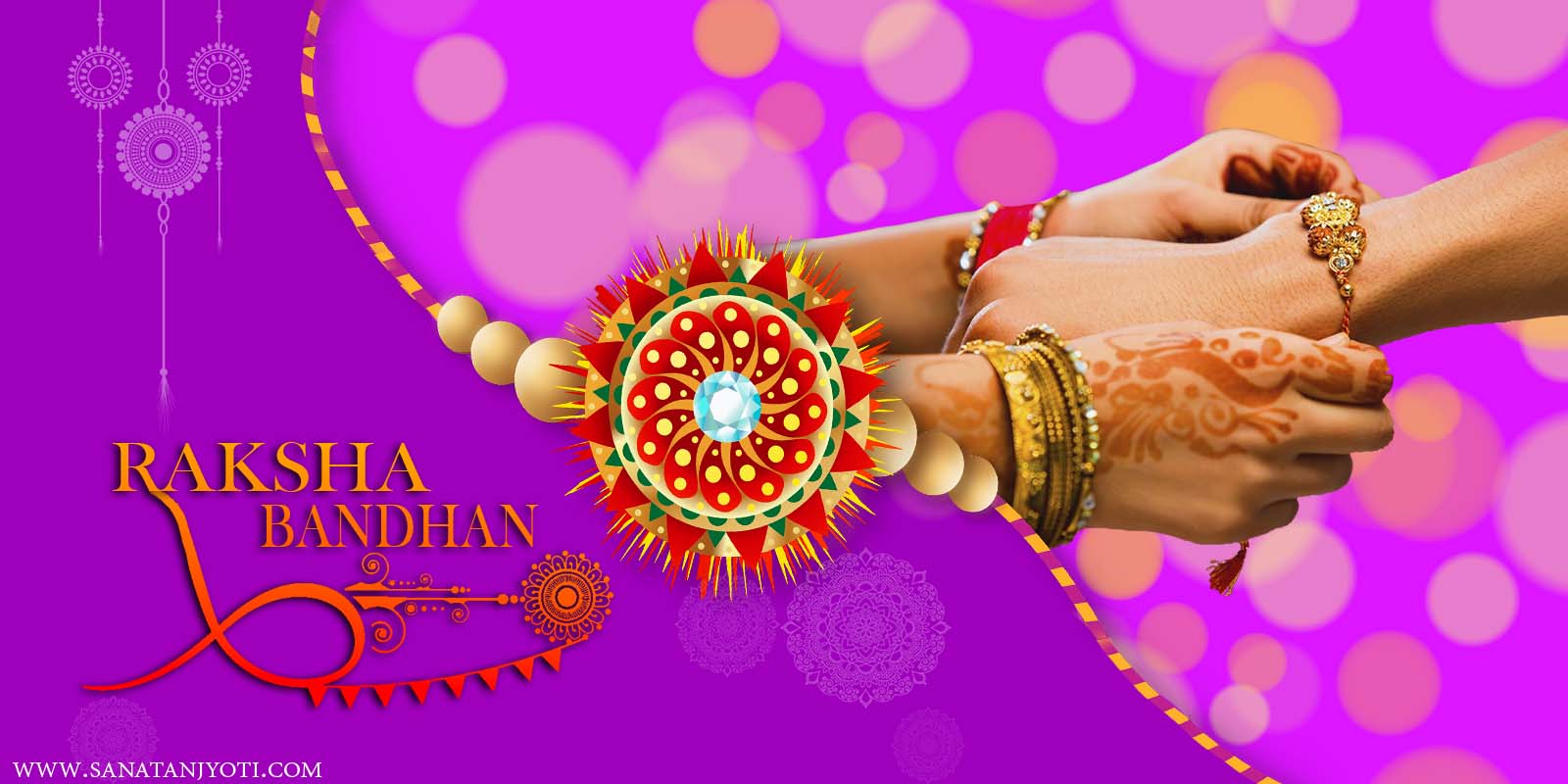
Raksha Bandhan is one of the most important Hindu festivals. It celebrates the special bond between a brother and a sister. On this day, a sister ties a Rakhi on her brother's wrist, applies a tilak, and prays for his long life, good health, happiness, and success. In return, the brother promises to protect, respect, and support his sister.
Raksha Bandhan is more than a festival for brothers and sisters. It also teaches the values of love, trust, family, responsibility, and care. Every year, people celebrate this festival with joy across India and in many other countries where Indian families live.
Every year, millions of people search online for Raksha Bandhan 2026 date, Rakhi 2026 date, Rakhi Shubh Muhurat, When does Bhadra end?, Why is Raksha Bandhan celebrated?, Raksha Bandhan Puja Vidhi, and the religious significance of Raksha Bandhan.
If you wish to obtain comprehensive information regarding the date, auspicious timings, worship rituals, Bhadra Kaal, mythological legends, religious significance, and the correct method of tying the Rakhi for Raksha Bandhan 2026, then this detailed article serves as a complete guide for you.
When is Raksha Bandhan 2026?
In 2026, Raksha Bandhan will be celebrated on Friday, 28 August. The festival falls on the Purnima (Full Moon) day in the holy month of Shravan. It is one of the most loved and important festivals in Hinduism.
On this day, sisters tie a Rakhi on their brothers' wrists. They apply a tilak, perform Aarti, and pray for their brothers' long life, good health, happiness, and success. Brothers give gifts to their sisters and promise to protect and support them throughout life.
Raksha Bandhan is celebrated with great joy across India. It is especially popular in Uttar Pradesh, Rajasthan, Madhya Pradesh, Gujarat, Maharashtra, Delhi, Bihar, Punjab, Haryana, and Uttarakhand. Families come together to celebrate this special day with love and tradition.
For the Raksha Bandhan 2026 date, Purnima Tithi, Bhadra Kaal, the best time to tie Rakhi, and the detailed Panchang: - Be sure to check our complete Panchang.
What is Raksha Bandhan?
The word Raksha Bandhan comes from two Sanskrit words—Raksha, which means protection, and Bandhan, which means bond. Together, they mean the sacred bond of protection. A Rakhi is not just a thread. It is a symbol of love, trust, care, respect, and lifelong support between a brother and a sister.
In Hindu tradition, the Raksha Sutra (sacred thread) is considered very auspicious. Since ancient times, it has been tied during Yajnas, religious ceremonies, and other sacred rituals. The Rakhi tied on Raksha Bandhan is also part of this long-standing tradition.
Today, Raksha Bandhan is not only for brothers and sisters. Many people also tie a Rakhi to their guru, elders, soldiers, and others who protect society as a sign of respect and gratitude.
Why is Raksha Bandhan Celebrated?
Many stories explain why Raksha Bandhan is celebrated. According to Hindu tradition, the festival stands for protection, love, trust, and the victory of dharma.
Ancient Hindu texts tell stories about Lord Indra and Indrani, Lord Krishna and Draupadi, and Yama and Yamuna. These stories show the importance of the Raksha Sutra and the promise of protection.
Because of these traditions, Raksha Bandhan is more than a family festival. It is also an important religious and cultural celebration.
Even today, the Rakhi tied by a sister is more than a thread. It is a symbol of love, trust, and a lifelong promise to stand by each other.
Religious Significance of Raksha Bandhan
Raksha Bandhan has great religious importance in Hinduism. The festival teaches the values of love, unity, respect, and family togetherness.
According to Hindu beliefs, tying a Rakhi during the Shubh Muhurat, after performing the proper puja, may bring peace, happiness, and prosperity to the family.
The festival also reminds us to protect not only our loved ones but also our culture, values, and society.
Raksha Bandhan teaches us that love, trust, and responsibility make every relationship stronger.
Importance of Raksha Bandhan
Raksha Bandhan 2026 is a special occasion because millions of families will celebrate this sacred festival together.
The festival strengthens the bond between brothers and sisters. It also brings the whole family together and creates happy memories.
Today, many families live in different cities and even different countries. Raksha Bandhan helps them stay connected through love, tradition, and family values.
If you want to learn more about the Raksha Bandhan Puja Vidhi, Shubh Muhurat, Bhadra Kaal, the religious meaning of Raksha Sutra, or other Vedic traditions: - You can get free guidance and detailed advice from the experienced Acharyas at Sanatan Jyoti.
Raksha Bandhan Puja Vidhi
On the morning of Raksha Bandhan, wake up early, take a bath, and wear clean clothes. Clean your prayer area with Gangajal if it is available. Then pray to Lord Ganesha, Lord Vishnu, Goddess Lakshmi, and your family deity. If your family follows a special puja tradition, you can follow the same steps.
Keep these items in your puja thali:
• Roli
• Sandalwood paste
• Akshat (rice)
• Diya
• Incense sticks
• Sweets
• Coconut
• Rakhi
• Aarti thali
First, offer prayers to the deities. Then ask your brother to sit facing east or north.
Apply a tilak on his forehead with roli and rice. Perform the Aarti. Tie the Rakhi on his right wrist during the Shubh Muhurat. Offer him sweets and pray for his long life, good health, happiness, and success. The brother gives a gift to his sister and promises to protect, respect, and support her throughout life.
Raksha Bandhan Puja Samagri
The following items are commonly used during the Raksha Bandhan Puja:
• Rakhi (Raksha Sutra)
• Roli or Kumkum
• Akshat (rice)
• Sandalwood paste
• Diya
• Incense sticks
• Flowers
• Coconut
• Sweets
• Kalash water
• Aarti thali
If your family follows other traditions, you may also include those items in the puja.
The Correct Way to Tie Rakhi
Tying a Rakhi is more than a tradition. It is a symbol of love and a sacred promise.
According to Hindu tradition, follow these simple steps:
1. Apply a tilak on your brother's forehead.
2. Place Akshat (rice) on the tilak and perform the Aarti.
3. Tie the Rakhi on his right wrist.
4. Offer him sweets.
5. Pray for his long life, happiness, and prosperity.
6. The brother gives a gift and promises to protect and support his sister.
This tradition brings love, respect, and family unity.
Why is Bhadra Kaal Important on Raksha Bandhan?
One of the most common questions is:
Can you tie Rakhi during Bhadra Kaal?
According to Hindu beliefs, people usually avoid doing auspicious work during Bhadra Kaal. For this reason, many families tie the Rakhi only after Bhadra ends.
The timing of Bhadra Kaal is different every year. So, it is important to check the Shubh Muhurat before tying the Rakhi.
For the Raksha Bandhan 2026 Bhadra Kaal, Shubh Muhurat, and the detailed Panchang: - Please see our complete Panchang.
What Should You Do on Raksha Bandhan?
According to Hindu tradition, these activities are considered auspicious:
• Tie the Rakhi during Shubh Muhurat.
• Offer prayers to God.
• Take blessings from elders.
• Show love and respect to your brother or sister.
• Help people in need.
• Donate to charity or serve cows.
• Celebrate the festival with your family.
What Should You Avoid Raksha Bandhan?
On Raksha Bandhan, it is good to avoid the following:
• Do not tie the Rakhi during Bhadra Kaal if your family follows this tradition.
• Stay away from anger, arguments, and harsh words.
• Do not disrespect your family members.
• Do not perform the puja without taking a bath.
• Do not rush while tying the Rakhi.
• Avoid negative thoughts and behavior on this special day.
The Spiritual Message of Raksha Bandhan
Raksha Bandhan is not only about a brother's promise to protect his sister. It also teaches us the values of love, trust, respect, sacrifice, and responsibility.
Today, protection means more than physical safety. It also means supporting each other, showing respect, standing together in difficult times, and keeping family relationships strong.
That is why Raksha Bandhan is more than a festival. It is a celebration of family values and lasting relationships.
Raksha Bandhan Katha
Many stories are linked to Raksha Bandhan. Each story teaches the importance of love, trust, protection, and strong family bonds. In Hindu tradition, the Raksha Sutra is more than a thread. It is a symbol of blessings and a sacred promise.
The Story of Indra and Indrani
According to the Bhavishya Purana, a great war once took place between the Devas and the Asuras. As the battle became harder, Lord Indra grew worried.
His wife, Indrani, prepared a sacred thread while chanting Vedic mantras. On the day of Shravan Purnima, she tied it around Indra's wrist.
With the blessings of the sacred thread, Indrani's faith, and the courage of the Devas, Indra won the battle. This story is one reason why the Raksha Sutra is seen as a symbol of protection and good fortune.
The Story of Lord Krishna and Draupadi
One famous story from the Mahabharata tells us that Lord Krishna injured His finger while killing Shishupala. When Draupadi saw the blood, she quickly tore a small piece from her sari and wrapped it around His finger.
Lord Krishna was deeply touched by her love and care. He promised to protect her whenever she needed help.
Later, during the Draupadi Cheer Haran in the Kaurava court, Lord Krishna protected her honor. This story is a beautiful example of love, trust, and lifelong protection.
The Story of Yama and Yamuna
Another popular story is about Yama, the god of death, and his sister Yamuna.
Yama could not visit his sister for many years. When he finally visited her on Shravan Purnima, Yamuna welcomed him with love. She applied a tilak, tied a Raksha Sutra on his wrist, and prayed for his well-being.
Yama was happy with her love and care. He gave a blessing that any brother and sister who celebrate Raksha Bandhan with love and devotion will always share a strong bond and receive happiness and prosperity.
Since then, Raksha Bandhan has been celebrated as a festival of love, care, and the special bond between brothers and sisters.
Social Importance of Raksha Bandhan
Today, Raksha Bandhan is more meaningful than ever. It reminds family members to show love, respect, care, and support for one another.
The festival teaches us that:
• Family unity is our greatest strength.
• A strong bond between a brother and sister is built on trust.
• Respecting and protecting women is everyone's responsibility.
• Love and support help build strong families and a better society.
Today, many people tie Rakhi not only to their brothers but also to soldiers, teachers, social workers, and people who protect nature. This shows that the message of Raksha Bandhan goes beyond the family and reaches the whole society.
How is Raksha Bandhan Celebrated in Different States of India?
Raksha Bandhan is celebrated with great joy across India. However, each state has its own customs and traditions. This diversity makes Indian culture unique.
In some places, the festival is mainly about the bond between brothers and sisters. In other places, it is linked with Lord Shiva, the sea, or special Vedic rituals.
Raksha Bandhan in North India
In Uttar Pradesh, Delhi, Haryana, Punjab, Bihar, and Madhya Pradesh, sisters tie a Rakhi on their brothers' wrists. They apply a tilak, perform Aarti, and pray for their brothers' long life, happiness, and success.
Brothers give gifts and promise to protect and support their sisters. Families gather together and celebrate the festival with joy.
Lumba Rakhi Tradition in Rajasthan
In Rajasthan, many families follow the tradition of tying a Lumba Rakhi along with the regular Rakhi.
A Lumba Rakhi is tied on the wrist or bangle of a married brother's wife. This tradition shows that both the brother and his wife play an important role in keeping the family happy and united.
Today, this tradition is becoming popular in many other parts of India as well.
Narali Purnima in Maharashtra
In the coastal areas of Maharashtra, people also celebrate Narali Purnima on the day of Raksha Bandhan.
On this day, fishing communities worship the Sea God and offer coconuts. They pray for safe journeys and a good fishing season.
Families also celebrate Raksha Bandhan with love and devotion on the same day.
Pavitropana Tradition in Gujarat
Many Shiva temples in Gujarat celebrate the Pavitropana ritual on Shravan Purnima.
During this ritual, devotees offer a sacred thread to Lord Shiva and perform special prayers. It also marks the end of the religious observances of the Shravan month.
Many families celebrate Raksha Bandhan on the same day. This makes the occasion a beautiful mix of devotion and family celebration.
Traditions in Uttarakhand and the Himalayan Region
In Uttarakhand and the Himalayan region, Raksha Bandhan is also linked with religious rituals.
Many people visit temples, offer prayers, and receive a Raksha Sutra from priests. They pray for peace, happiness, and good fortune for their families.
The festival is also a time for family gatherings and traditional celebrations.
No matter how people celebrate, the message of Raksha Bandhan stays the same. It is a festival of love, trust, protection, and family unity.
What Does Raksha Bandhan Teach Us?
Raksha Bandhan is more than the tradition of tying a Rakhi. It reminds us of the values that make every relationship strong.
The festival inspires us to:
• Care for our family.
• Respect and protect our sisters.
• Build trust in every relationship.
• Stand by our loved ones during difficult times.
• Live with love, kindness, and a spirit of service.
That is why Raksha Bandhan is one of the most meaningful festivals in Indian culture.
If you would like to learn more about Raksha Bandhan, Shravan Purnima, Vedic traditions, the religious meaning of the Raksha Sutra, or Vedic rituals for family happiness and prosperity: - You can get free guidance and detailed advice from the experienced Acharyas at Sanatan Jyoti.
Frequently Asked Questions
1. When is Raksha Bandhan 2026?
Raksha Bandhan 2026 will be celebrated on Friday, 28 August 2026.
2. On which day is Raksha Bandhan celebrated?
Raksha Bandhan is celebrated on the Purnima (Full Moon) day in the holy month of Shravan.
3. Why is Raksha Bandhan celebrated?
Raksha Bandhan celebrates the bond between a brother and a sister. It is a symbol of love, trust, protection, and family unity.
4. Why is Bhadra important on Raksha Bandhan?
According to Hindu tradition, many people avoid tying a Rakhi during Bhadra Kaal. That is why it is considered best to tie the Rakhi during the Shubh Muhurat.
5. On which hand should a Rakhi be tied?
Traditionally, a Rakhi is tied on the right wrist of the brother.
6. What items are needed for the Raksha Bandhan Puja?
The common puja items include:
• Rakhi (Raksha Sutra)
• Roli or Kumkum
• Akshat (rice)
• Diya
• Incense sticks
• Sandalwood paste
• Sweets
• Coconut
• Flowers
• Aarti thali
7. What is the main message of Raksha Bandhan?
The main message of Raksha Bandhan is love, trust, respect, protection, and family unity.
Raksha Bandhan is more than a festival. It is a celebration of love, trust, responsibility, and strong family bonds. In 2026, Raksha Bandhan will be celebrated on Friday, 28 August.
When celebrated with faith, the right Shubh Muhurat, and proper rituals, this festival brings families closer. It strengthens relationships and fills homes with love, harmony, and happiness.