
Pongal is a major harvest and Sun worship festival celebrated in South India, especially in Tamil Nadu. This four-day festival is an occasion to express gratitude to the new harvest, nature, Surya Dev, and the animals that play an important role in agriculture.
Pongal 2027 will be celebrated on Friday, January 15. The main day of Pongal is known as Thai Pongal, and it falls on the same day as Makar Sankranti. In 2027, the four-day Pongal festival will be observed from January 14 to January 17.
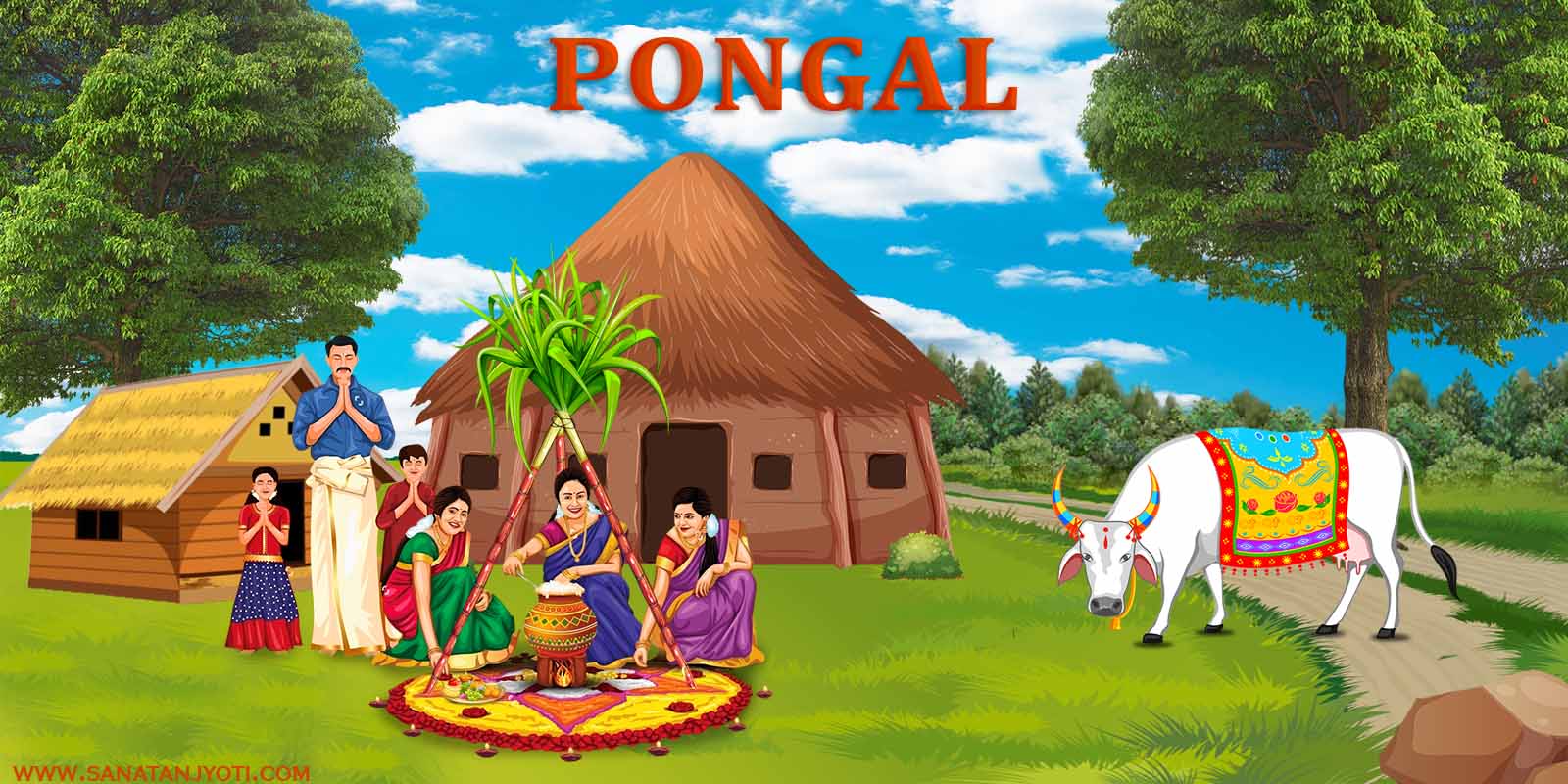
The word 'Pongal' is believed to be associated with the Tamil word 'Ponga,' which means to boil or overflow. Traditionally, a Pongal dish is prepared on this day using newly harvested rice, milk, and jaggery. It is first offered to Surya Dev as an expression of gratitude and then consumed by family members as Prasad.
When is Pongal 2027?
Pongal 2027 will be celebrated on Friday, January 15, 2027. This is the main day of the Pongal festival and is known as Thai Pongal.
Four Days of Pongal 2027
• Bhogi Pongal: January 14, 2027, Thursday
• Surya Pongal / Thai Pongal: January 15, 2027, Friday
• Mattu Pongal: January 16, 2027, Saturday
• Kaanum Pongal: January 17, 2027, Sunday
This four-day sequence represents the traditional structure of the Pongal festival in Tamil culture.
Would you like to know the auspicious Muhurat, Puja Vidhi, or receive astrological guidance based on your birth chart for Pongal?
Contact our expert Acharyas for a free consultation and get answers to your questions.
Significance of the Four Days of Pongal
1. Bhogi Pongal
The first day of the Pongal festival is known as Bhogi. In 2027, Bhogi Pongal will be celebrated on January 14. On this day, people clean their homes and remove old or unused items, symbolizing the beginning of a new and positive phase of life.
In many places, the traditional practice of lighting Bhogi Mantalu, or bonfires, can also be seen on this occasion. The day symbolizes leaving the past behind and welcoming new energy and a fresh agricultural cycle.
2. Surya Pongal / Thai Pongal
The second day is the most important day of the Pongal festival and is known as Thai Pongal. In 2027, it will be celebrated on January 15.
On this day, Surya Dev is worshipped, and traditional Pongal is prepared using newly harvested rice, milk, and jaggery. The tradition of cooking Pongal outdoors and allowing it to boil over is considered an auspicious symbol of prosperity and abundance.
The prepared Pongal is first offered to Surya Dev, after which family members consume it as Prasad.
3. Mattu Pongal
The third day of Pongal is known as Mattu Pongal. In 2027, Mattu Pongal will be celebrated on January 16.
This day is dedicated to expressing respect and gratitude toward animals such as cows and bulls. Considering their important contribution to agricultural work, they are decorated, worshipped, and offered special food.
Mattu Pongal holds special cultural significance in the rural areas of Tamil Nadu.
4. Kaanum Pongal
The fourth and final day of the Pongal festival is known as Kaanum Pongal. In 2027, Kaanum Pongal will be celebrated on January 17.
This day is associated with spending time with family and relatives, strengthening social bonds, and enjoying community celebrations. In Tamil Nadu, the tradition of families coming together on this day is especially prominent.
Pongal Puja Vidhi
Worshipping Surya Dev holds special significance on the main day of Pongal. The Sun is regarded as a source of energy and the foundation of agriculture and life, and devotees express gratitude for the new harvest.
The traditional Pongal Puja generally follows these steps:
1. First, the house and Puja area are thoroughly cleaned.
2. A Kolam is drawn in front of the house or in an open space.
3. Pongal is prepared in a new earthen pot using milk, newly harvested rice, and jaggery.
4. The Pongal is placed facing the direction of the Sun and offered to Surya Dev.
5. Water is offered to Surya Dev, followed by prayers.
6. Family members express their gratitude to Surya Dev.
7. After the Puja, Pongal is shared with family members and loved ones as Prasad.
Along with Sun worship, the Pongal tradition also emphasizes gratitude toward nature and the elements associated with agriculture.
Why Is Surya Dev Worshipped on Pongal?
Pongal is primarily a harvest festival, and Surya Dev is regarded as a major source of energy essential for agriculture and life. Sunlight and solar energy play an important role in the growth of crops.
Therefore, on Thai Pongal, farmers and families express their gratitude to Surya Dev and pray for a good harvest, prosperity, happiness, and peace.
Significance of the Pongal Festival
Festival of Agriculture and the New Harvest
Pongal is primarily a celebration of the new harvest and agricultural prosperity. On this occasion, farmers express gratitude to nature for their hard work and the crops they have harvested.
Sun Worship
Surya Dev is worshipped on the main day of Pongal. The Sun is regarded as the source of energy and life, and devotees express their gratitude to the Sun.
Gratitude Toward Animals
Through Mattu Pongal, people express respect and gratitude toward animals such as cows and bulls that contribute to agricultural activities.
Family and Social Unity
Pongal is also a festival that brings families and communities together. People prepare traditional food, meet relatives, and celebrate the festival collectively.
Prosperity and New Beginnings
Pongal symbolizes a new harvest, a new agricultural cycle, and a positive beginning. Through house cleaning, Kolam, and traditional Puja, people pray for happiness and prosperity.
Mythological Story of Pongal
A popular folk story associated with Pongal is connected with Lord Shiva and His vehicle, Nandi.
According to the story, once Lord Shiva sent Nandi to Earth with a message for humans. Shiva instructed Nandi to tell people to bathe every day and eat only once a month.
However, Nandi made a mistake while delivering the message. He told the people that they should eat every day and bathe once a month.
When Lord Shiva learned about the mistake, He became angry. He ordered Nandi to remain on Earth and help humans with agriculture. From then on, Nandi began assisting people in agricultural activities.
This folk story is associated with Pongal and agricultural traditions. This is why cows and bulls are given special respect and gratitude on Mattu Pongal.
The story highlights the relationship between agriculture, food, and animals. It also conveys the message that people should remain grateful toward the living beings that support nature and agricultural activities.
What Is Prepared on Pongal?
On Pongal, traditional Sakkarai Pongal, or sweet Pongal, is prepared using rice, milk, and jaggery. Ghee, cashews, raisins, and other ingredients may also be added.
Cooking Pongal in a new pot and considering its overflowing as an auspicious sign is one of the major traditions of the festival. The prepared dish is first offered to Surya Dev and then consumed with family members as Prasad.
Message of Pongal
Pongal is not merely a religious or agricultural festival. It is also an occasion to express gratitude toward nature, the Sun, farmers, animals, and family.
The festival reminds us that behind the food and prosperity in our lives are the hard work of farmers, the support of nature, the energy of the Sun, and the contribution of animals. Therefore, the core message of Pongal is rooted in gratitude, community unity, and the wish for prosperity.
Pongal 2027 will be celebrated on Friday, January 15. The four-day festival will begin with Bhogi on January 14 and conclude with Kaanum Pongal on January 17.
During Pongal, the worship of Surya Dev, celebration of the new harvest, preparation of traditional Pongal, respect for animals, and celebrating with family are among the key traditions. The festival conveys a message of happiness, prosperity, and new energy while expressing gratitude toward agriculture and nature.