
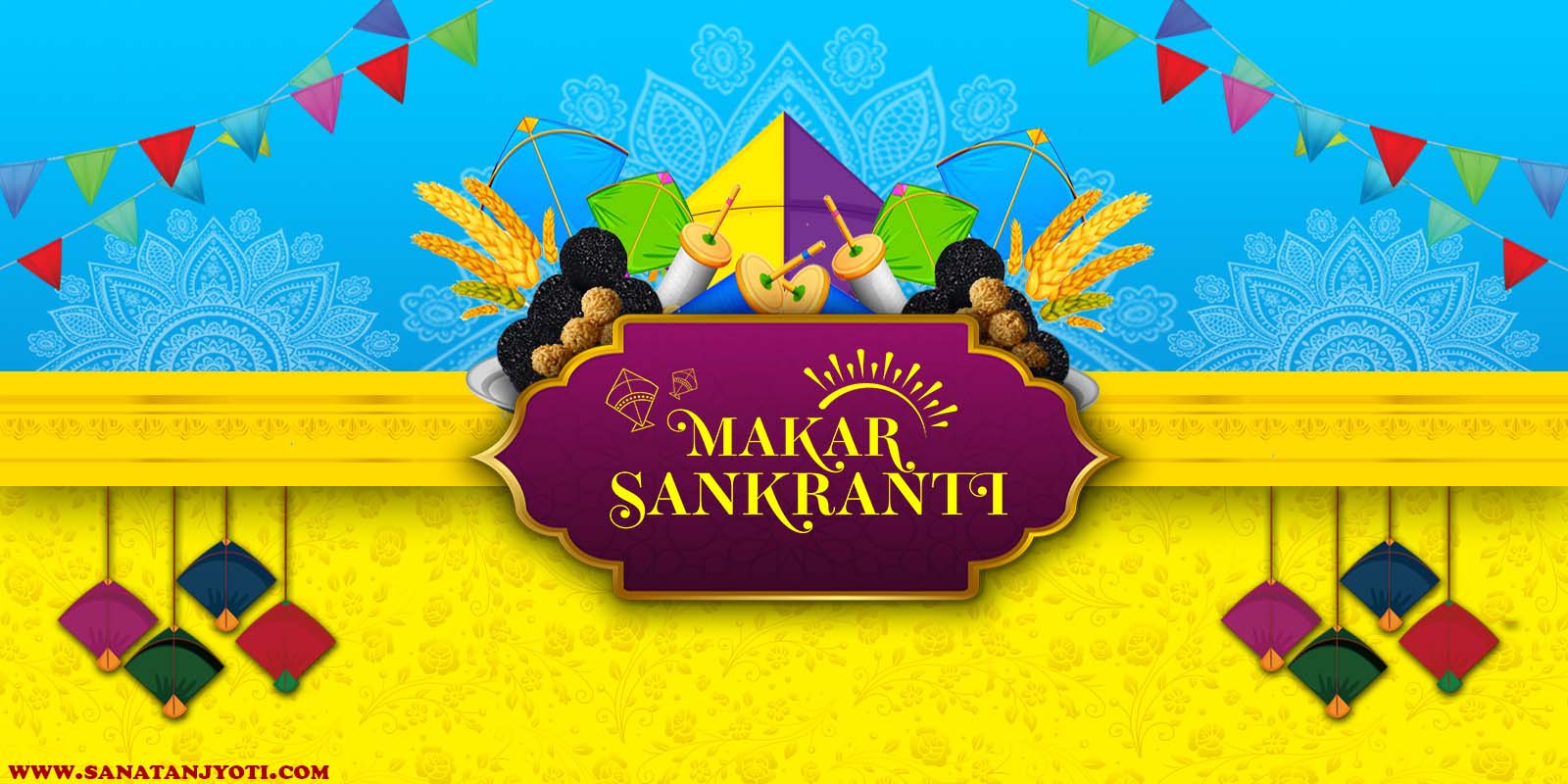
Makar Sankranti 2027 will be celebrated on Friday, January 15. Makar Sankranti is observed when the Sun enters the zodiac sign of Capricorn (Makara). On this day, devotees traditionally worship the Sun God, take a holy bath, perform Tarpan, make donations, and carry out various religious rituals. In 2027, the Sun will enter Capricorn at around 9:10 PM on January 14, so Makar Sankranti and religious activities associated with the Punyakal will be observed on January 15. The exact Punyakal timings may vary depending on the location.
When is Makar Sankranti 2027?
Makar Sankranti 2027 will be celebrated on Friday, January 15. According to Panchang calculations, the Sun will enter Capricorn at around 9:10 PM on January 14, 2027. Since the Sun's transition into Capricorn occurs at night, bathing, charity, Tarpan, and other religious activities associated with the Punyakal will be performed on the following day, January 15.
To know the Makar Sankranti Punyakal, Snan-Daan timing, and other auspicious timings according to your city: -Check the SanatanJyoti Panchang.
What is Makar Sankranti?
The transition of the Sun from one zodiac sign to another is called Sankranti. A Sankranti is named after the zodiac sign into which the Sun enters.
When the Sun enters Capricorn, it is known as Makar Sankranti. It is one of the major Sankranti festivals in Hinduism and is celebrated in different parts of India with various names and regional traditions.
Makar Sankranti is also associated with regional traditions such as Khichdi, Uttarayan, Pongal, and Maghi in different parts of India. However, the religious and cultural traditions associated with these festivals may vary by region.
Religious Significance of Makar Sankranti
Makar Sankranti holds special significance from a religious perspective. On this day, devotees traditionally worship the Sun God, take a holy bath in sacred rivers or pilgrimage places, perform Tarpan, and make donations according to their capacity.
Religious beliefs associated with the Padma Purana mention the importance of bathing before sunrise and performing charity on Makar Sankranti. According to these beliefs, Tarpan, charity, and worship performed during this period are considered particularly meritorious.
For this reason, people offer Arghya to the Sun God, perform puja, and donate food grains, clothes, sesame seeds, jaggery, and other useful items to people in need.
Worship of the Sun God on Makar Sankranti
On Makar Sankranti, take a bath in the morning and wear clean clothes. After this, offer water to the Sun God using a copper vessel.
Red flowers, Akshat (uncooked rice), and other puja materials may be added to the water according to one's tradition and offered to the Sun God as Arghya. While offering Arghya, meditate on the Sun God and pray for the fulfillment of your wishes and the well-being of your family.
After this, worship the Sun God and perform charity according to your capacity.
Significance of Bathing and Charity on Makar Sankranti
Bathing and charity have special religious significance on Makar Sankranti. On this day, people traditionally take a bath in a sacred river, pilgrimage site, or at home and worship the Sun God.
According to religious beliefs, charity performed on Makar Sankranti is considered particularly meritorious. Sesame seeds, jaggery, Khichdi, food grains, clothes, blankets, and other useful items may be donated to people in need according to one's capacity.
The donation of sesame seeds and jaggery is particularly common on Makar Sankranti. In many regions, people also prepare Khichdi and offer it to family members, Brahmins, or people in need as part of the tradition of charity and service.
Significance of Khichdi Donation on Makar Sankranti
In many parts of North India, Makar Sankranti is also known as the festival of Khichdi. On this day, there is a tradition of preparing Khichdi with rice and urad dal and donating it.
In several religious traditions, rice, urad dal, sesame seeds, and other ingredients are used to prepare Khichdi. Feeding Khichdi or other food to people in need according to one's capacity is considered a form of charity and service.
Makar Sankranti and the Sun's Uttarayana
In traditional Panchang calculations, Makar Sankranti is associated with the Sun's Uttarayana movement. The Sun's entry into Capricorn is considered an important transition in this context.
In Sanatan tradition, Uttarayana is regarded as an auspicious period, and various religious and spiritual beliefs are associated with this time.
Special Features of Makar Sankranti
The most prominent feature of Makar Sankranti is the Sun's entry into the zodiac sign of Capricorn. The festival represents a beautiful combination of Sun worship, bathing, charity, and folk traditions associated with the new harvest.
Different parts of India celebrate this festival in different ways according to their local culture and agricultural traditions.
In some regions, sesame seeds and jaggery are consumed and donated, in others Khichdi is prepared, while in some places dishes made from the new harvest are prepared.
How is Makar Sankranti Celebrated?
Makar Sankranti is celebrated in different ways across different states of India.
In North India, traditions include bathing, Sun worship, Khichdi, donation of sesame seeds and jaggery, and donation of food grains and clothes.
In Gujarat and Rajasthan, it is also known as Uttarayan, and kite flying is particularly popular.
In Punjab and Haryana, traditions associated with Maghi can be observed around the time of Makar Sankranti.
In Tamil Nadu, the major festival of Pongal is celebrated around the same period.
Thus, festivals associated with Makar Sankranti show considerable regional diversity.
To learn more about the dates, religious significance, and traditions associated with different Sankranti festivals in India:Read about all Sankranti festivals.
What Should Be Donated on Makar Sankranti?
Donating according to one's capacity is considered auspicious on Makar Sankranti. The following items may be donated:
• Sesame seeds
• Jaggery
• Khichdi
• Rice
• Urad dal
• Food grains
• Clothes
• Blankets
• Fruits
• Food for people in need
• Money according to one's capacity
While making a donation, one should consider their capacity as well as the needs of the person receiving it.
What Should You Do on Makar Sankranti?
According to religious traditions, the following activities may be performed on Makar Sankranti:
• Take a bath in the morning.
• Offer Arghya to the Sun God.
• Worship the Sun God.
• Donate sesame seeds and jaggery.
• Donate Khichdi or food grains.
• Feed people in need.
• Donate clothes and blankets.
• Perform religious rituals according to your capacity.
• Pray for the well-being of your family and society.
How to Offer Arghya to the Sun God on Makar Sankranti?
After taking a bath in the morning on Makar Sankranti, Arghya may be offered to the Sun God.
For this, take clean water in a copper vessel and add Akshat and red flowers. Face the east direction and slowly offer the water to the Sun God while meditating on Lord Surya.
While offering Arghya, one may chant a Sun mantra such as "Om Suryaya Namah" according to one's tradition.
Significance of Religious Rituals on Makar Sankranti
Makar Sankranti is considered important for the worship of the Sun God, charity, and religious practices. On this day, a person may perform puja, chanting, charity, Tarpan, or other religious activities according to their faith and capacity.
If you wish to arrange a specific puja, Japa, or religious ritual on the occasion of Makar Sankranti according to your tradition, you can receive personalized guidance from our experts through a free consultation.
Makar Sankranti and the New Harvest
Makar Sankranti is associated not only with religious traditions but also with agriculture and the celebration of the new harvest.
During this period, different types of dishes are prepared in different parts of the country according to the availability of crops and local agricultural cycles. Therefore, it would not be appropriate to say that only Khichdi is prepared on Makar Sankranti.
Wherever a particular crop is produced, food and dishes associated with that crop are prepared according to local traditions.
For this reason, Makar Sankranti is also considered a festival that brings together India's diverse agricultural and cultural traditions.
Significance of Sesame Seeds and Jaggery on Makar Sankranti
The consumption and donation of sesame seeds and jaggery is particularly common on Makar Sankranti.
In many regions, sesame laddoos, sesame-jaggery sweets, and other traditional dishes are prepared on this day. People also exchange sesame and jaggery with one another as a way of conveying festive greetings.
This tradition is associated with regional folk culture and religious beliefs.
Makar Sankranti 2027 Punyakal
Makar Sankranti 2027 will be celebrated on Friday, January 15. The Sun will enter Capricorn at around 9:10 PM on January 14. After this transition, the Punyakal will be observed during the daytime on the following day.
To know the exact Makar Sankranti 2027 Punyakal and Snan-Daan timings according to your city: -Check the SanatanJyoti Panchang.
Religious Message of Makar Sankranti 2027
Makar Sankranti is a festival associated with the worship of the Sun God, charity, service, and the spirit of new beginnings. On this day, people take a bath and perform puja while also helping people in need by donating sesame seeds, jaggery, food grains, clothes, and food.
Although the traditions of this festival may differ across different parts of India, the spirit of Sun worship, charity, and sharing happiness makes Makar Sankranti special.
Important Questions Related to Makar Sankranti 2027
When is Makar Sankranti 2027?
Makar Sankranti 2027 will be celebrated on Friday, January 15.
When will the Sun enter Capricorn in 2027?
The Sun will enter Capricorn at around 9:10 PM on January 14, 2027.
What should be done on Makar Sankranti?
On Makar Sankranti, people traditionally take a bath, offer Arghya to the Sun God, perform puja, chant mantras, make donations, and feed people in need.
What should be donated on Makar Sankranti?
Sesame seeds, jaggery, Khichdi, food grains, clothes, blankets, and useful items for people in need may be donated according to one's capacity.
Why is Makar Sankranti called the festival of Khichdi?
In many regions of North India, there is a tradition of preparing Khichdi with rice and urad dal and donating it on Makar Sankranti. For this reason, it is also called the festival of Khichdi in several places.
Which God is worshipped on Makar Sankranti?
The Sun God (Surya Dev) is primarily worshipped on Makar Sankranti. Devotees offer Arghya to the Sun God and pray for health, prosperity, and the well-being of their families.
Why are sesame seeds and jaggery consumed on Makar Sankranti?
The consumption and donation of sesame seeds and jaggery is one of the major folk and religious traditions associated with Makar Sankranti. In many regions, sesame-jaggery laddoos are prepared and distributed on this day.
Is bathing and donating necessary on Makar Sankranti?
According to religious tradition, bathing and charity have special significance on Makar Sankranti. A person may perform these religious activities according to their faith and capacity.
Why is Makar Sankranti called Uttarayan?
In the traditional Hindu Panchang, the Sun's entry into Capricorn is associated with Uttarayana. Therefore, Makar Sankranti is also called Uttarayan in many regions. The name Uttarayan is particularly popular in Gujarat and Rajasthan.
What dishes are prepared on Makar Sankranti?
Dishes vary according to the region. Khichdi and sesame-jaggery preparations are popular in North India, while different states prepare dishes according to their local new harvest and traditions.