
Lohri is one of the major folk festivals of Punjab and North India. It is celebrated with great enthusiasm in Punjab, Haryana, Himachal Pradesh, Delhi and several other regions. The festival is closely associated with the winter season, agricultural life, new crops and community celebrations.
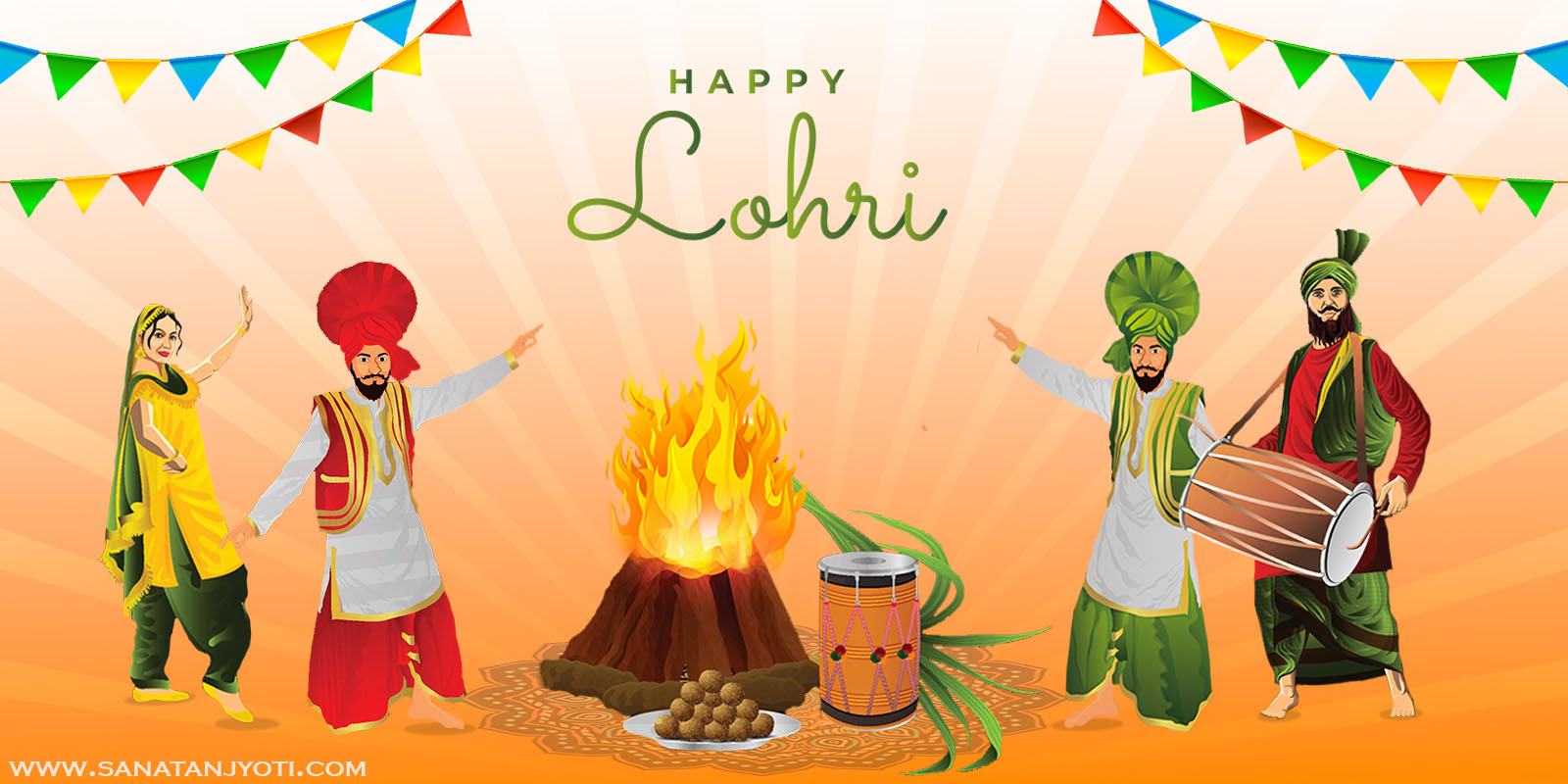
On the evening of Lohri, people gather in open spaces and light a bonfire. Family members, relatives and members of the community come together around the fire, sing traditional folk songs, perform folk dances and offer sesame seeds, peanuts, rewri, gajak and other food items to the fire.
In an agriculture-based society, Lohri is also considered an occasion to express gratitude for the new harvest and nature. People celebrate together with family and community members and pray for happiness, prosperity and well-being.
When is Lohri 2027?
In 2027, Lohri will be celebrated on Thursday, January 14. The following day, Friday, January 15, 2027, will be observed as Makar Sankranti.
Lohri is traditionally celebrated one day before Makar Sankranti.
Therefore, in 2027, the main Lohri celebrations will take place on the evening and night of January 14.
Why Is Lohri Celebrated?
Lohri is primarily associated with agriculture, crops and the winter season. In Punjab and surrounding regions, the festival holds special significance for farmers and rural communities.
Lohri marks a celebration connected with the new harvest and agricultural life. On this day, people express gratitude to nature for a good harvest and pray for happiness and prosperity in the coming year.
The tradition of offering sesame seeds, jaggery, peanuts, rewri and other food items to the Lohri fire is also part of this folk and agricultural culture.
During the festival, fire and the Sun are seen as symbols of energy, light and life. Therefore, Lohri is not merely a festival of entertainment but also an occasion to express gratitude toward nature, agriculture and community life.
How Is Lohri Celebrated?
The main attraction of Lohri is the Lohri bonfire. In the evening, families and people from the neighborhood gather in an open space and traditionally light a bonfire using firewood.
People gather around the fire and:
• Sing traditional Lohri folk songs.
• Perform traditional dances such as Bhangra and Giddha.
• Offer sesame seeds, peanuts, rewri and other items to the fire.
• Circumambulate the fire.
• Share sweets and traditional food with family and friends.
• Exchange Lohri greetings with one another.
In many families, the first Lohri of newly married couples and newborn children is also celebrated with special enthusiasm. Family members and relatives gather on the occasion, offer blessings and exchange gifts.
What Is Offered During Lohri?
A variety of traditional food items are offered to the fire during Lohri. These mainly include:
• Sesame seeds
• Peanuts
• Rewri
• Gajak
• Corn kernels
• Jaggery
• Phuliyan and other local food items
Eating these traditional foods and sharing them with family and friends is also an important part of the Lohri celebration.
Significance of the Lohri Fire
The Lohri fire is one of the main symbols of the festival. The bonfire, lit on a cold winter evening, brings people together in one place and creates an atmosphere of community celebration.
In Indian traditions, fire is considered a symbol of purity, energy and light. During Lohri, people gather around the fire to express their happiness and pray for a good harvest, prosperity and well-being.
This tradition also plays an important role in strengthening relationships among family members and within the wider community.
Lohri Story: The Story of Dulla Bhatti
The folk story of Dulla Bhatti is particularly famous in connection with Lohri. In Punjabi folk tradition, Dulla Bhatti is remembered as a folk hero known for standing against injustice and helping people in need.
According to the folk story, Dulla Bhatti helped girls who were being forcibly taken into slavery or forced marriages. He provided them with protection and helped arrange their marriages with dignity.
Because of this folk tradition, Dulla Bhatti is especially remembered during Lohri. His name is also mentioned in traditional Lohri songs.
The story of Dulla Bhatti conveys the message of courage, justice, respect for women and helping those in need through the celebration of Lohri.
Traditional Lohri Songs and Folk Dances
A Lohri celebration is considered incomplete without folk songs and dances. In Punjabi folk culture, songs associated with Lohri have been passed down through generations.
Children and young people visit homes and sing Lohri songs. In many places, people gather around the bonfire and sing and dance together.
Traditional Punjabi folk dances such as Bhangra and Giddha add even more excitement to the celebration. With the beats of the Dhol and traditional folk songs, the entire atmosphere becomes festive.
Lohri and Its Connection with the New Harvest
Lohri is deeply connected with the agricultural culture of Punjab. For farmers, crops are an important part of their life and cultural traditions.
During Lohri, food items associated with the new harvest and agricultural life are used. People pray for a good harvest and happiness and prosperity in the coming period.
In this way, Lohri represents the important relationship between agriculture, nature and community life.
Significance of Lohri for Newlyweds and Newborn Children
In Punjabi families, the first Lohri of newly married couples and newborn children is celebrated with special enthusiasm in many households.
Family members and relatives gather to offer blessings, distribute sweets and exchange gifts. It becomes an occasion to collectively celebrate the arrival of a new family member or a newly married couple.
This tradition also strengthens family bonds, relationships and social connections.
Social and Cultural Significance of Lohri
Lohri is not only a festival associated with agriculture but also a celebration of social unity and community participation.
People celebrate it together with their family members, relatives, friends and neighbors. Sharing food, distributing sweets, singing folk songs and dancing together strengthens social relationships.
Lohri brings together the folk culture, music, food, agricultural traditions and community life of Punjab, making it an important cultural festival.
What Is Eaten on Lohri?
Several traditional winter foods are prepared during Lohri. These mainly include:
• Rewri
• Gajak
• Peanuts
• Sesame sweets
• Jaggery
• Makki di Roti
• Sarson da Saag
• Khichdi
Sharing these traditional foods with family and friends is an important part of the Lohri celebration.
Significance of Lohri 2027
In 2027, Lohri will be celebrated on Thursday, January 14, followed by Makar Sankranti on January 15.
Lohri 2027 will provide an opportunity for people to reconnect with nature, agriculture and community life. The bonfire, folk songs, traditional food and celebrations with family will remain some of the key features of the festival.
The festival reminds us that Indian festivals are not limited to religious rituals. They also carry the values of gratitude toward nature, social cooperation, family bonds and cultural heritage.
Spiritual and Cultural Message of Lohri
Lohri inspires us to remain grateful toward nature and agriculture. Gathering around the fire and celebrating together is also seen as a symbol of community unity and social connection.
The festival reminds us of the importance of sharing happiness with family and society while preserving and passing on our folk traditions and cultural heritage to future generations.
Lohri is an important festival associated with the rich folk culture of Punjab and North India. It celebrates not only winter, agriculture and the harvest but also love, cooperation and unity among families and communities.
People gather around the Lohri fire, sing folk songs, dance and share traditional food items such as sesame seeds, peanuts, rewri, gajak and jaggery.
Lohri 2027 will be celebrated on Thursday, January 14, while Makar Sankranti will be observed on January 15.
The folk story of Dulla Bhatti, traditional Lohri songs, the bonfire tradition and beliefs associated with the new harvest make Lohri an important part of Punjab’s cultural identity.
The message of Lohri is simple: Welcome new beginnings, remain grateful to nature, and share happiness with family and society.