
When is Sankashti Chaturthi in 2026?
Do you want to know when Sankashti Chaturthi falls in 2026 and why the worship of Lord Ganesha on this day is considered highly beneficial? In Sanatan Dharma, Sankashti Chaturthi is regarded as a very auspicious fast dedicated to Lord Ganesha. Religious beliefs state that observing this vrat with devotion and proper rituals helps remove obstacles, troubles, and sorrows from life.
Every month has two Chaturthi tithis - one during Krishna Paksha and the other during Shukla Paksha. The Chaturthi that falls after Purnima during Krishna Paksha is known as Sankashti Chaturthi, while the Chaturthi of Shukla Paksha is called Vinayak Chaturthi.
To know more about Vinayak Chaturthi, read our article -“When is Vinayak Chaturthi?
In 2026, Sankashti Chaturthi in October will be observed on October 29, Thursday, while in November, Sankashti Chaturthi will be observed on November 27, Friday.
Sankashti Chaturthi 2026 Date and Time
Kartik Krishna Chaturthi — October 29, 2026, Thursday
• Chaturthi Tithi Begins: October 29, 2026, at 1:08 AM
• Chaturthi Tithi Ends: October 29, 2026, at 10:11 PM
Margashirsha Krishna Chaturthi — November 27, 2026, Friday
• Chaturthi Tithi Begins: November 27, 2026, at 9:50 AM
• Chaturthi Tithi Ends: November 28, 2026, at 6:40 AM
What is Sankashti Chaturthi?
The word “Sankashti” means “freedom from difficult times or troubles.” Religious beliefs state that worshipping Lord Ganesha with complete devotion and sincerity on this day helps devotees overcome obstacles, difficulties, and sorrows in life.
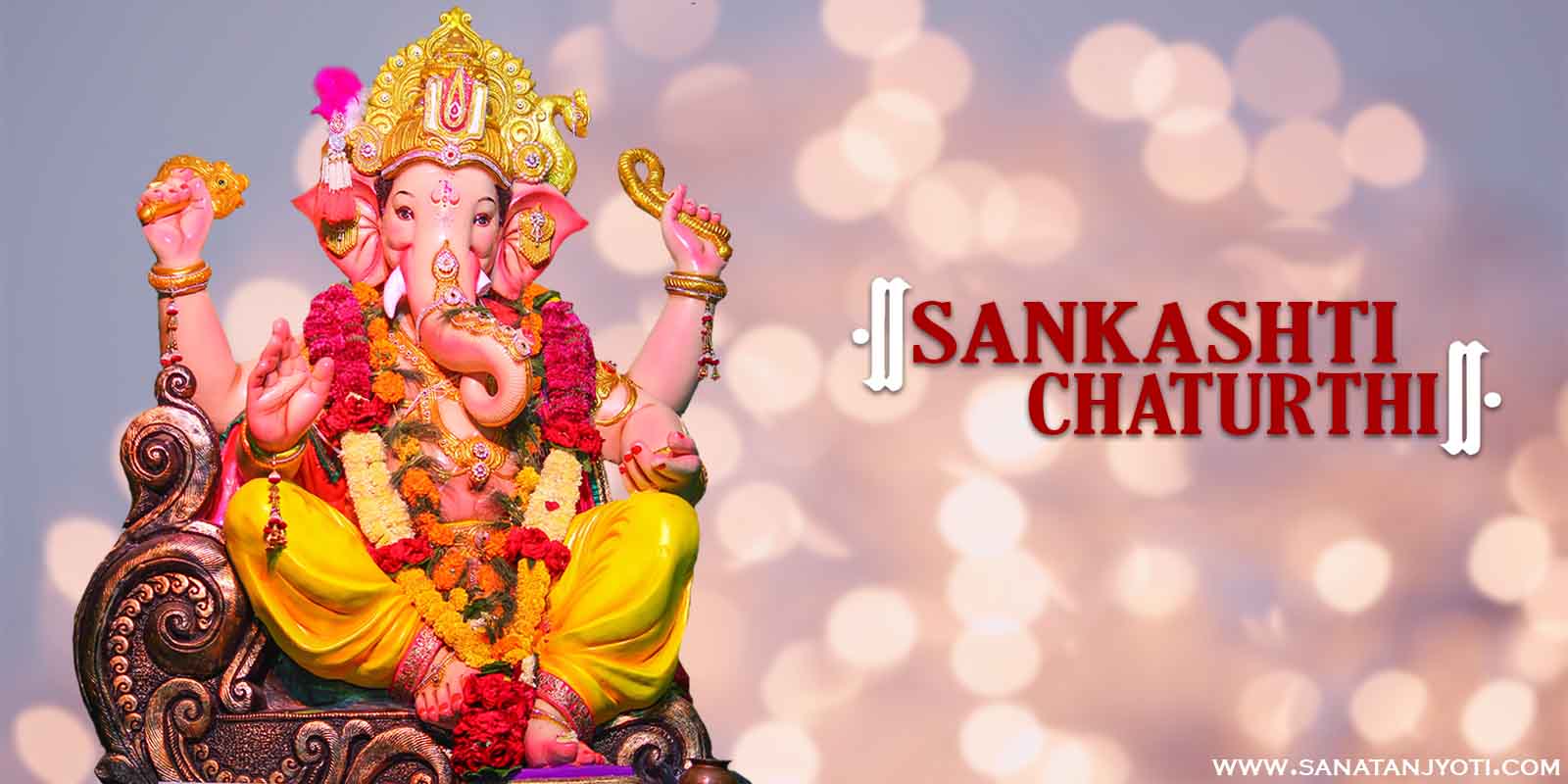
Lord Ganesha is known as Siddhivinayak, the remover of obstacles and the giver of success. Although He has many divine forms, His elephant-headed form with one tusk, large ears, and the noose and goad in His hands is especially worshipped on Sankashti Chaturthi. It is believed that men and women who observe this vrat and worship Lord Ganesha with true devotion receive the righteous desires they pray for.
According to the Shiva Purana, Lord Shiva Himself declared that Lord Ganesha is the first deity to be worshipped. Brahma, Vishnu, and Mahadev stated that anyone who worships other deities before worshipping Lord Ganesha does not receive the complete fruits of that worship.
The Birth Story of Lord Ganesha
Why Did Goddess Parvati Create Lord Ganesha?
According to the Ganesha Purana, when Sage Shaunaka asked about the story of Lord Ganesha, Suta Ji narrated that Goddess Parvati had two close companions named Jaya and Vijaya. They were wise, virtuous, soft-spoken, and very dear to Goddess Parvati. One day, they suggested to her that she should have a personal attendant of her own.
Hearing this, Goddess Parvati said in surprise, “We already have countless ganas who are always ready to obey orders. What is the need for another one?” Jaya and Vijaya replied that all the ganas belonged to Lord Shiva and followed only His commands. Even Nandi and Bhringi, who appeared to serve Parvati, gave greater importance to Shiva’s orders. They explained that if Lord Shiva ignored Parvati’s command, none of the ganas would truly support her.
After thinking deeply about their words, Goddess Parvati realized that she indeed needed a personal guardian who would obey only her commands. However, she did not immediately act upon this suggestion and gradually forgot about it.
One morning, while Goddess Parvati was going for a bath, she instructed Nandi to guard the entrance and not allow anyone inside. Soon after, Lord Shiva arrived and attempted to enter the chamber. Nandi respectfully tried to stop Him by saying that Goddess Parvati was bathing, but Lord Shiva ignored the request and entered directly.
Seeing Lord Shiva suddenly appear while she was bathing, Goddess Parvati felt embarrassed. Afterward, she reflected upon the advice of Jaya and Vijaya and realized that if she had her own personal guard, such an incident would not have happened. She understood that all the ganas primarily obeyed Lord Shiva, and she needed someone completely devoted to her commands.
With this thought in mind, Goddess Parvati took the sacred paste and impurities from her body and created a radiant and powerful boy from it. The child possessed divine qualities, unmatched beauty, great strength, and extraordinary brilliance.
Goddess Parvati lovingly dressed the boy with beautiful clothes and ornaments and blessed him, saying, “You are my son, my own child. There is no one dearer to me than you.” The boy bowed before her and asked what duty he should perform.
Parvati then instructed him, “From today, you shall stand as the guardian of my doorway. Without my permission, no one should enter my chamber.” Saying this, she handed him a strong staff and appointed him as her gatekeeper. From that moment, the brave son of Parvati, Lord Ganesha, began guarding the entrance with complete devotion to his mother’s command.
The Battle Between Lord Shiva and Lord Ganesha
After appointing her son Ganesha as the guardian of her doorway, Goddess Parvati went inside to bathe with her companions. At that very moment, Lord Shiva, who is known for His divine and mysterious leelas, arrived at the entrance. Since Ganesha did not recognize Him, he respectfully said, “O Lord, my mother is bathing inside. Without her permission, no one is allowed to enter.” Saying this, Ganesha stood firmly at the doorway with his staff in hand.
Seeing himself being stopped, Lord Shiva said, “Foolish boy! Do you not know who I am? I am Lord Shiva Himself.” Soon, Shiva’s ganas also came there and tried to convince Ganesha to step aside. They warned him that they were the chief attendants of Lord Shiva and had come under His command. However, despite all warnings, Ganesha fearlessly refused to leave the doorway and continued to obey his mother’s order.
When Shiva’s ganas informed Lord Shiva about the incident, Mahadev became angry and ordered them to remove the new gatekeeper. The ganas returned and once again tried to stop Ganesha, but he remained firm. Eventually, they discovered that Ganesha was Goddess Parvati’s son and had been appointed as her personal guardian.
Lord Shiva then decided to perform a divine leela and also wished to humble the pride of His ganas. He summoned the gods and Shiva’s attendants, and a fierce battle began between them and Lord Ganesha. Despite the combined strength of the devas and ganas, none of them could defeat Ganesha.
Finally, Lord Shiva Himself entered the battlefield holding His trident. Remembering the feet of his mother, Ganesha received divine strength from Goddess Parvati. A terrible battle took place, and in the end, Lord Shiva used His trident to sever Ganesha’s head.
When Goddess Parvati heard this devastating news, she became furious. In her anger, she manifested many powerful divine energies and ordered them to destroy the universe. Those fierce energies spread blazing light in all directions, terrifying even the devotees of Lord Shiva.
At that moment, Sage Narada arrived there. Seeing the situation, all the gods became worried and began discussing how the destruction could be stopped. Narada, along with Brahma and the other deities, approached Goddess Parvati and prayed to calm her anger. They praised her with devotion and repeatedly bowed at her feet.
The sages prayed, “O Jagadamba! O Divine Mother! You are the creator, protector, and destroyer of the universe. Your anger is shaking all the worlds. Please be merciful and calm Your wrath.” Hearing their sincere prayers, Goddess Parvati’s heart softened with compassion. She then declared that the destruction would stop only if her son was brought back to life and honored among all the gods.
How Did Lord Ganesha Receive the Elephant Head?
After hearing Goddess Parvati’s condition, all the sages and deities became worried and went to Lord Shiva to explain the situation. They bowed before Him and requested that Lord Ganesha should be brought back to life so that peace could return to all the worlds. Listening to their prayers, Lord Shiva agreed and said that a solution must be found for the welfare of the universe.
Lord Shiva then instructed the gods to travel toward the north direction and bring the head of the first living being they encountered. The devas immediately obeyed His command and completed the task as instructed.
Before proceeding, they respectfully cleaned and worshipped the body of the child. As they moved northward, the first creature they saw was a one-tusked elephant. The gods brought back the elephant’s head and attached it to the body of the child. After completing this task, they bowed before Lord Shiva and informed Him that the work had been done.
Then Lord Brahma, Lord Vishnu, and the other deities prayed to Lord Shiva and said, “O Lord, may the divine energy that created all beings enter this child through the power of the Vedic mantras.” Thereafter, all the gods sanctified water with Vedic chants and sprinkled it upon the child’s body while remembering Lord Shiva.
As soon as the holy water touched him, the child came back to life. His face now resembled that of an elephant, and his divine form radiated immense brilliance. Seeing Lord Ganesha alive again, all the gods and sages became joyful, and their sorrow finally came to an end.
How Did Lord Ganesha Become the First Worshipped Deity?
After Lord Ganesha was brought back to life, all the gods became extremely joyful and presented the child before Goddess Parvati. Seeing her son alive again, Goddess Parvati was filled with happiness. Thereafter, Lord Shiva and all the deities bestowed upon Lord Ganesha the honor of being the first deity to be worshipped.
Lord Shiva blessed Ganesha and declared that before the beginning of any auspicious work, Lord Ganesha would always be worshipped first. He further said that anyone who remembers and worships Lord Ganesha with devotion and sincerity will have all obstacles removed and will attain success in their endeavors.
Thus, Lord Ganesha became the first worshipped deity. Religious beliefs state that those who listen to or read this divine story of Lord Ganesha with faith and devotion are freed from obstacles in life and attain success in their important works.
Sankashti Chaturthi Puja Vidhi
The Chaturthi that falls during the Krishna Paksha of every month is known as Sankashti Chaturthi. On this day, devotees should observe a fast from morning until moonrise while maintaining discipline and control over the mind. After the moon rises, a clay idol of Lord Ganesha should be prepared and placed on a wooden seat. The idol should also include His divine weapons and vehicle.
After installing the idol, Lord Ganesha should be worshipped properly through the Shodashopachara method. Thereafter, modaks and sesame laddoos made with jaggery should be offered as bhog.
Following this, devotees should prepare an offering for the Moon God in a copper vessel containing red sandalwood, kusha grass, durva grass, flowers, akshat (rice), shami leaves, curd, and water. While offering arghya to the moon, the following mantra should be recited:
“Gaganarnava Manikya Chandra Dakshayani Pate ।
Grihanarghyam Maya Dattam Ganesha Pratirupaka ॥”
Meaning:
“O Moon, jewel of the sky-like ocean and beloved of Rohini, who reflects the form of Lord Ganesha, kindly accept this offering made by me.”
After offering this sacred and sin-destroying arghya to Lord Ganesha, devotees should respectfully feed Brahmins according to their capacity and then partake of food themselves with humility and devotion.
Religious beliefs state that by observing this auspicious Sankashti Vrat with sincerity and proper rituals, a person attains prosperity, abundance, and freedom from difficulties in life.
If you wish to know the correct Sankashti Chaturthi puja vidhi, accurate moonrise timings according to your city, or special guidance related to the vrat: -
You can receive free consultation from our experienced Acharyas.
Why is Arghya Offered to the Moon on Sankashti Chaturthi?
Offering arghya to the Moon God holds special significance during the Sankashti Chaturthi vrat. According to religious beliefs, the fast is considered complete only after worshipping Lord Ganesha and offering arghya to the moon following moonrise. On this day, devotees offer water, durva grass, akshat (rice), and flowers to the moon while praying with devotion.
According to the Puranas, Chandra Dev (the Moon God) is regarded as the ruler of the mind. Therefore, viewing the moon and offering arghya on Sankashti Chaturthi is believed to bring mental peace, positive energy, and auspicious results. Religious traditions also state that moon darshan on this day is especially important because of the mythological connection between Lord Ganesha and the Moon God.
Significance of Sankashti Chaturthi Vrat
It is believed that a devotee who observes this vrat with devotion and proper rituals attains the desired fruits of worship. Those who sincerely worship Lord Ganesha according to their capacity are blessed with the fulfillment of their wishes and desires. Devotees should worship Lord Ganesha using offerings such as sindoor, sandalwood, rice, ketaki flowers, and other sacred items.
Religious beliefs state that those who worship Lord Ganesha with devotion and various ritual offerings are freed from obstacles, and their important works attain success. This vrat is considered beneficial for people of all varnas and is especially recommended for women. It is also regarded as highly auspicious for rulers and individuals seeking growth, prosperity, and success in life.
It is believed that whatever a devotee sincerely desires through this vrat is eventually attained. Therefore, anyone seeking fulfillment of wishes should observe this sacred fast. According to religious traditions, the blessings of this vrat can grant children to the childless, wealth to the poor, a suitable spouse to those seeking marriage, progeny to those desiring children, health to the sick, and good fortune to the unfortunate.