
When is Navpatrika Puja 2026?
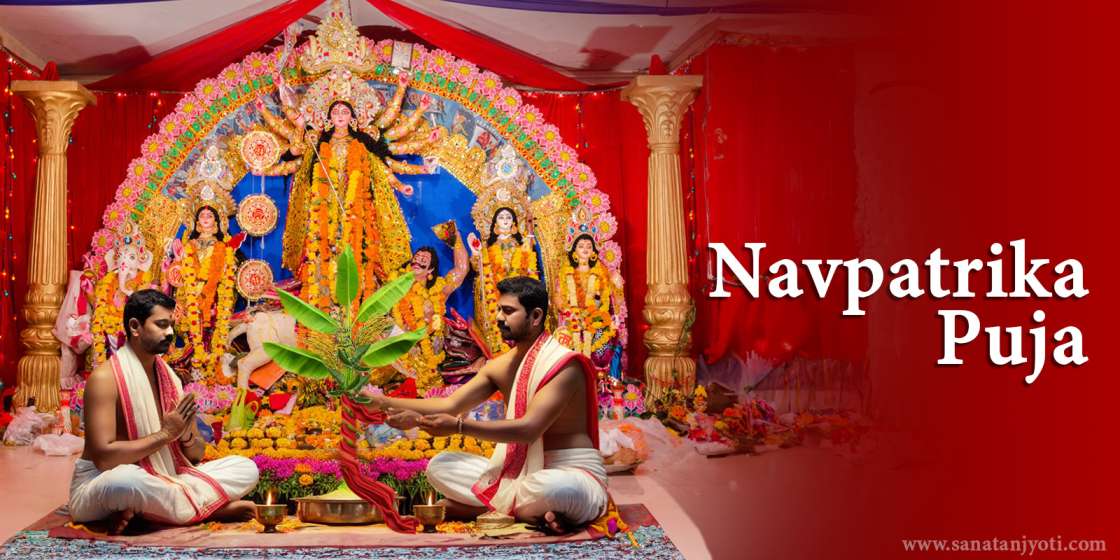
Navpatrika Puja 2026 will be observed on Saturday, October 17, 2026. It is an important Durga Puja ritual performed on Saptami Tithi of Shukla Paksha in the month of Ashwin, also known as Maha Saptami. In the Bengali tradition, Navpatrika is also known as Kolabou or Kalabou Puja. During this ritual, nine types of plants or leaves are tied together and ceremonially bathed and worshipped according to traditional rituals.
Durga Puja is one of the most prominent and grand festivals in India, especially in West Bengal, where it is celebrated with devotion, enthusiasm, and cultural heritage. This festival symbolizes the power, courage, and compassion of Goddess Durga, and the traditions of celebrating it are known for their unique rituals.
In the Bengali tradition, Navapatrika Puja is considered one of the most important rituals of Durga Puja. In addition to this, several other significant ceremonies such as Bilva Nimantran, Kalparambha, Akal Bodhan, and Sandhi Puja are also performed with great devotion during the festival.
At Sanatan Jyoti, experienced Vedic priests perform various deity-specific Anushthans according to authentic Vedic traditions and rituals. If you would like to learn about the procedure, religious significance, or spiritual benefits of any specific Anushthan: - You can receive free consultation and detailed information related to various Anushthans.
Shashthi Tithi is considered the day of Goddess Durga's arrival on Earth. On this day, certain special rituals are performed, such as Bilva Nimantran, Kalparambha, Akal Bodhan, and Aamantran (invitation). Through these rituals, Goddess Durga is invited to descend among the devotees and shower her blessings upon them. The puja begins with Bilva Nimantran, where the bel tree is worshipped to invite the Goddess. This is followed by Kalparambha and Akal Bodhan, through which the awakening and invocation of the Goddess take place.
What is Navapatrika Puja?
On the day of Saptami, Navapatrika Puja is conducted, which is a unique aspect of Durga Puja in Bengal. This ritual involves the use of nine special leaves, symbolizing the nine forms of Goddess Durga. This puja is also referred to as "Kala Bou," and it is performed with great joy and reverence in Bengal.
Maha Ashtami is considered the most important day of Durga Puja. The special ritual of this day is Sandhi Puja, which takes place during the transitional period between Ashtami and Navami, specifically in the last few minutes of Ashtami and the first few minutes of Navami. This time is regarded as a sacred moment to receive the immense power and blessings of Goddess Durga.
Which Plants are Included in Navapatrika Puja?
Navapatrika consists of nine sacred plants that are worshipped together during the ritual. These primarily include banana, bilva (bael), turmeric, paddy (rice plant), barley, pomegranate, ashoka, colocasia (arbi), and guava. Each of these plants is believed to represent different forms of Divine Shakti and various aspects of nature, symbolizing prosperity, fertility, protection, and spiritual abundance.
Navapatrika Puja Arrangement
On the day of Saptami during Durga Puja, take a bath before sunrise by mixing water from a sacred river to purify yourself. After this, prepare the Navapatrika by gathering leaves from nine different trees, including bel, banana, taro (arbi), turmeric, barley, rice, pomegranate, ashoka, and guava. Each leaf represents a specific deity or divine power, such as bel for Lord Shiva, rice for Goddess Lakshmi, and turmeric for Goddess Durga.
These leaves are collected, wrapped in a sari, tied with thread, and then purified with Ganga water. After purification, the Navapatrika is placed to the right of Lord Ganesha in the puja pandal, and then worship is performed with devotion according to the Shodashopachara method or the specific customs followed. Farmers in Bengal participate enthusiastically in the Navapatrika Puja, believing that the worship of Navapatrika leads to a good yield of crops.
Significance of Navapatrika Puja
The significance of Navapatrika Puja extends beyond religious faith; it serves as a powerful medium for understanding our responsibilities towards the environment, nature, and society. This puja teaches us to maintain balance in life and express gratitude towards nature.
Navapatrika includes various leaves and plants, such as mango leaves and barley, which symbolize the five elements of nature—water, air, earth, fire, and space. By worshipping these elements, we express our gratitude to every aspect of nature that sustains our lives.
This puja inspires us to establish harmony with the environment and commit to its protection, while also reminding us that preserving and maintaining balance in nature is our responsibility.
If you wish to seek the blessings of Goddess Durga for protection from negative energies, spiritual growth, removal of obstacles, and the attainment of strength, courage, and positive energy in life through a special Devi Sadhana: - You can learn more about the Durga Saptashati Path Anushthan.