
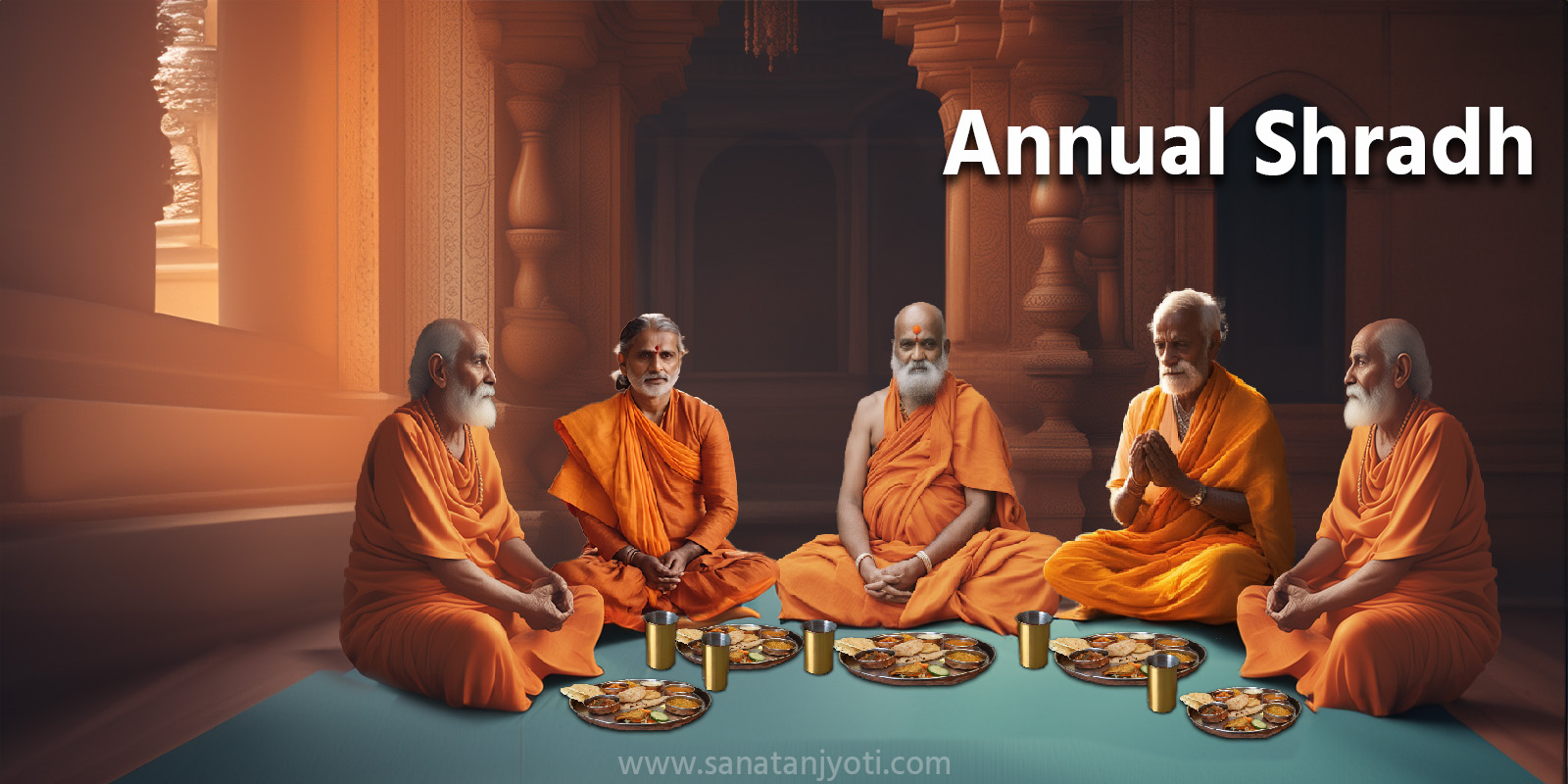
Annual Shradh is one of the most important religious traditions in Sanatan Dharma. It is performed to express respect, gratitude, and remembrance for our departed ancestors. According to Hindu scriptures, when Shradh, Tarpan, and Pind Daan are performed with faith and the proper rituals, the offerings reach the ancestors. Pleased by this devotion, they bless their descendants with peace, prosperity, good health, and family well-being.
Every year, many people search for answers to questions such as What is Annual Shradh? When should Annual Shradh be performed? Which Tithi is used for Shradh? How is Annual Shradh performed? What is the importance of Pitru Paksha? How are Tarpan and Pind Daan performed? and What rules should be followed dperformed?h?
If you are looking for complete and authentic information about Annual Shradh, Pitru Paksha, Tarpan, Pind Daan, the correct date, rituals, rules, and their religious significance, this detailed guide will help you understand everything in a simple and easy way.
What is Annual Shradh?
Annual Shradh is a Hindu ritual performed every year on the lunar death anniversary (Tithi) of a departed family member. In Sanatan Dharma, it is considered an important way to honor ancestors and pray for the peace and satisfaction of their souls.
According to Hindu scriptures, offerings made with true faith - such as food, water, sesame seeds (Til), Pind, and charity—are believed to reach the ancestors. In return, they bless their family with peace, happiness, prosperity, and the growth of future generations.
The word "Shradh" comes from the Sanskrit word "Shraddha," which means faith and devotion. This reminds us that the ritual is based on sincere respect rather than outward display.
What is Pitru Paksha?
Pitru Paksha, also known as Mahalaya Paksha, is a sacred 16-day period dedicated to remembering and honoring ancestors.
It begins on the Purnima (Full Moon) of the Shukla Paksha in the month of Bhadrapada and ends on the Amavasya (New Moon) of the Krishna Paksha in the month of Ashwin.
According to Hindu tradition, this period is especially auspicious for:
• Performing Shradh
• Offering Tarpan
• Performing Pind Daan
• Donating food and other charitable items
• Remembering departed ancestors
It is believed that rituals performed during Pitru Paksha reach the ancestors and bring them satisfaction. In return, they bless their descendants with peace, prosperity, and family happiness.
Many devotees also travel to Gaya, one of the holiest pilgrimage sites for ancestral rites, to perform Pind Daan and Shradh. According to Hindu tradition, Gaya Shradh is considered highly sacred.
Religious Significance of Annual Shradh
In Sanatan Dharma, Annual Shradh is more than a religious ritual. It is a way to express gratitude, respect, and love for our ancestors while preserving family traditions.
Hindu scriptures state that when Shradh is performed with faith and the proper rituals, it pleases the ancestors. Their blessings are believed to bring peace, prosperity, good health, and harmony to the family.
Sacred texts such as the Garuda Purana and other Hindu scriptures explain the importance of Shradh, Tarpan, and Pind Daan. According to these traditions, performing Shradh is a way to fulfill one's duty toward ancestors, often referred to as Pitru Rin (the debt owed to one's ancestors).
Annual Shradh is not only about remembering those who have passed away. It also strengthens the spiritual bond between generations and helps preserve the family's cultural and religious heritage.
When is Annual Shradh Performed?
Annual Shradh is usually performed on the same lunar Tithi on which the departed person passed away.
If the exact Tithi is not known, many Hindu traditions recommend performing Shradh on Sarva Pitru Amavasya, the last day of Pitru Paksha.
Each of the sixteen days of Pitru Paksha has its own importance. In most families, the Shradh is performed on the Tithi that matches the ancestor's date of death according to the Hindu lunar calendar.
However, customs may vary from one family or tradition to another, If you are unsure about the correct date or procedure, It is best to seek guidance from a qualified Acharya.
If you would like to learn more about Annual Shradh, Pitru Paksha, Tarpan, Pind Daan, the correct Shradh date, or the proper Vedic rituals: -You can receive free guidance and detailed consultation from the experienced Acharyas at Sanatan Jyoti.
Who Can Perform Annual Shradh?
According to Sanatan Dharma, the son has the primary responsibility of performing Annual Shradh for departed parents or ancestors. However, Hindu scriptures also describe other options if a son is not available.
According to traditional customs:
• The son performs the Shradh whenever possible.
• If there is no son, the daughter's son (Dauhitra) may perform the ritual.
• In certain situations, the wife of the deceased may perform the Shradh under the guidance of a qualified Acharya.
• If an Acharya is not available, she may offer prayers and perform the ritual with faith, even without Vedic mantras.
• Some scriptures also mention that if no close family member is available, the authority responsible or guardian of the family may arrange the Shradh.
These traditions show that the true purpose of Shradh is to express faith, gratitude, and respect for the departed soul.
On Which Tithi Should Annual Shradh Be Performed?
Annual Shradh is generally performed on the same lunar Tithi on which the departed person passed away.
Each of the sixteen days of Pitru Paksha has its own importance. According to Hindu tradition, performing Shradh on the matching lunar Tithi is considered the most appropriate.
If the exact death Tithi is unknown, many families perform Shradh on Sarva Pitru Amavasya, the final day of Pitru Paksha.
Some families also follow separate traditions for Matru Shradh (for the mother), Pitru Shradh (for the father), and other ancestral rituals.
If you are unsure about the correct Tithi, it is always best to consult a qualified Acharya.
Importance of Tarpan in Shradh
Tarpan is one of the most important parts of the Shradh ceremony.
The word Tarpan means offering water with faith and gratitude. According to Hindu tradition, water mixed with black sesame seeds (Til) is offered to the ancestors while praying for their peace and satisfaction.
Many devotees perform Tarpan during Pitru Paksha. Some families also offer Tarpan every Amavasya (New Moon) throughout the year.
The Garuda Purana and other Hindu scriptures also describe traditional guidelines for performing Tarpan. For example, when offering Tarpan near a river or water body, devotees are advised to maintain purity and follow the proper ritual method.
The purpose of these traditions is to perform ancestral rights with respect, devotion, and sincerity.
Which Ancestors Receive Pind Daan and Tarpan?
The Garuda Purana and other Hindu scriptures explain the traditional concept of Sapindikarana.
According to these texts, after the Sapindikarana ceremony:
• The father
• The grandfather
• The great-grandfather
are considered the primary recipients of Pind Daan.
Earlier generations are remembered through other traditional offerings described in the scriptures.
During Shradh, the devotee also remembers all known and unknown ancestors and prays for their peace, well-being, and spiritual satisfaction.
How Does Shradh Reach the Ancestors?
According to the Garuda Purana, offerings made during Shradh with true faith are believed to reach ancestors, regardless of the form in which they exist.
Food, water, sesame seeds, and Pind Daan are traditionally believed to help satisfy the ancestors according to Hindu beliefs.
It is also customary to set aside a small portion of the prepared food for birds and other living beings before serving the meal.
This tradition reflects an important message of compassion, charity, gratitude, and respect for all forms of life.
Importance of Gaya Shradh
Among all places for ancestral rites, Gaya is considered one of the holiest pilgrimage sites in Sanatan Dharma.
According to Hindu beliefs, performing Pind Daan and Shradh at Gaya brings special spiritual merit and helps satisfy the ancestors.
For this reason, thousands of devotees travel to Gaya during Pitru Paksha to perform these sacred rituals.
If you would like to learn more about Pind Shradh, the proper method of Pind Daan, the traditional rules, and its religious significance: -Be sure to read our detailed article on Pind Shradh.
Things to Keep in Mind During Annual Shradh
In Sanatan Dharma, Shradh is considered a sacred religious ritual. It should be performed with faith, purity, and respect. Hindu scriptures, including the Garuda Purana, mention several traditional guidelines for observing Shradh.
The following practices are generally recommended:
• Perform the Shradh in a calm and clean place.
• Stay away from anger, arguments, and negative thoughts.
• Prepare only Satvik (pure vegetarian) food.
• Offer food and charity according to your ability and with sincere devotion.
• Avoid showing off or treating the ritual as a public event.
• If you have any doubts about the rituals, seek guidance from a qualified Acharya.
The true purpose of Shradh is not elaborate rituals. It is to express love, gratitude, and respect for our ancestors.
Which Foods Are Traditionally Avoided During Shradh?
According to Hindu traditions, certain foods are generally not used when preparing Shradh meals.
Traditional customs usually avoid items such as:
• Corn
• Sattu (roasted gram flour)
• Masoor dal (red lentils)
• Black urad dal
• Onion
• Garlic
• Radish
• Carrot
• Other foods considered Tamasik in nature
Food traditions may differ from one family or region to another. It is always best to follow your family customs or the guidance of a qualified Acharya.
What Food Is Prepared for Shradh?
Shradh meals are usually prepared using pure Satvik ingredients.
Traditional dishes often include:
• Kheer (sweet rice pudding made with cow's milk)
• Puri
• Seasonal Satvik vegetables
• Other simple dishes based on family traditions
According to Hindu customs, ingredients such as the following are considered auspicious:
• Barley
• Rice
• Wheat
• Sesame seeds
• Green gram (Moong)
• Mustard
• Kodo millet
• Peas
Many families also prepare the favorite Satvik food of the departed person as a mark of love and remembrance.
Before serving the meal, it is customary to keep a small portion aside for birds and other living beings. This tradition reflects kindness, charity, and respect for all forms of life.
Who Should Be Invited for Shradh?
According to Hindu scriptures, people with good character, self-discipline, and noble conduct should be invited to participate in Shradh.
Traditionally, families invite:
• Learned Brahmins
• Vedic scholars
• Spiritual teachers
• Respected family members
• Close relatives
• Honorable guests
Welcoming guests with respect and serving them food with devotion is considered an important part of the Shradh ceremony.
How Is the Shradh Meal Offered?
According to traditional customs, invited Brahmins or guests are welcomed respectfully and offered proper seating before the meal begins.
The Garuda Purana describes several important parts of the Shradh ritual, including:
• Invoking the deities and ancestors
• Offering water mixed with sesame seeds
• Making offerings into the sacred fire (where applicable)
• Performing Pind Daan
• Serving food to Brahmins or invited guests
After the meal, the host offers Dakshina (traditional offering) and charity according to their ability. The ritual ends with prayers seeking the blessings of the ancestors.
These practices are meant to express gratitude, respect, and remembrance for departed family members.
Nitya Shradh and Naimittika Shradh
Apart from Annual Shradh, Hindu scriptures also mention Nitya Shradh and Naimittika Shradh.
According to traditional beliefs:
Offering Tarpan on every Amavasya (New Moon) is considered auspicious. Shradh may also be performed during special occasions such as:
• Solar Eclipse
• Lunar Eclipse
• Sankranti
• Vyatipata Yoga
• Other sacred occasions mentioned in the scriptures
Some devotees also perform special Shradh or Tarpan after seeing ancestors in a dream, feeling the need to honor them, or following the advice of a qualified Acharya.
In such situations, it is recommended to follow the guidance of the scriptures and perform the ritual properly.
Faith Is the Heart of Shradh
The true meaning of Shradh is not limited to performing rituals. It is about expressing faith, gratitude, love, and respect for our ancestors.
When Shradh is performed with sincere devotion and according to traditional practices, it helps preserve the sacred tradition of remembering our ancestors. It also strengthens the spiritual bond between generations and keeps families connected to their cultural roots.
If you would like to learn more about Annual Shradh, Pitru Paksha, Tarpan, Pind Daan, or traditional beliefs related to Pitru Dosha: -You can receive free guidance from the experienced Acharyas at Sanatan Jyoti.
Frequently Asked Questions
1. What is Annual Shradh?
Annual Shradh is a Hindu ritual performed every year on the lunar death anniversary (Tithi) of a departed family member. It is observed with faith and devotion to honor ancestors and pray for the peace of their souls.
2. When is Annual Shradh performed?
Annual Shradh is usually performed on the same lunar Tithi on which the person passed away.
If the exact Tithi is not known, many Hindu traditions recommend performing Shradh on Sarva Pitru Amavasya, the last day of Pitru Paksha.
3. Is Annual Shradh different from Pitru Paksha Shradh?
Yes.
Annual Shradh is performed for a specific departed family member on their yearly death Tithi.
Pitru Paksha is a 16-day sacred period during which devotees perform Shradh, Tarpan, and Pind Daan for their ancestors.
4. Why is Tarpan performed during Shradh?
Tarpan is performed by offering water mixed with black sesame seeds (Til) to the ancestors with faith and gratitude.
According to Hindu tradition, this offering is made to pray for the peace and satisfaction of the departed souls.
5. Is it necessary to perform Shradh in Gaya?
No, Gaya Shradh is considered highly sacred in Hindu tradition, but it is not compulsory for everyone.
Annual Shradh can also be performed at home or any suitable place by following the proper rituals with faith and devotion.
6. Who can perform Annual Shradh?
According to Hindu tradition, the son has the primary responsibility for performing Annual Shradh.
In certain situations, other eligible family members may also perform the ritual according to traditional customs and the guidance of a qualified Acharya.
7. What food is prepared during Shradh?
Shradh meals usually include pure Satvik food, such as:
• Kheer (sweet rice pudding)
• Puri
• Seasonal vegetarian dishes
• Other traditional foods followed by the family
Many families also prepare the favorite Satvik meal of the departed person as a mark of love and remembrance.
Annual Shradh is one of the most meaningful traditions in Sanatan Dharma. It reminds us to honor our ancestors with faith, gratitude, and respect. More than a religious ritual, Shradh helps preserve family traditions and strengthens the spiritual bond between generations.
According to Hindu beliefs, performing Shradh, Tarpan, Pind Daan, and charity with sincere devotion is a way to remember our ancestors and seek their blessings for the family's peace, prosperity, and well-being.
By following these sacred traditions with a pure heart, we continue the timeless practice of Pitru Smaran (remembering our ancestors) and keep our cultural and spiritual heritage alive.