
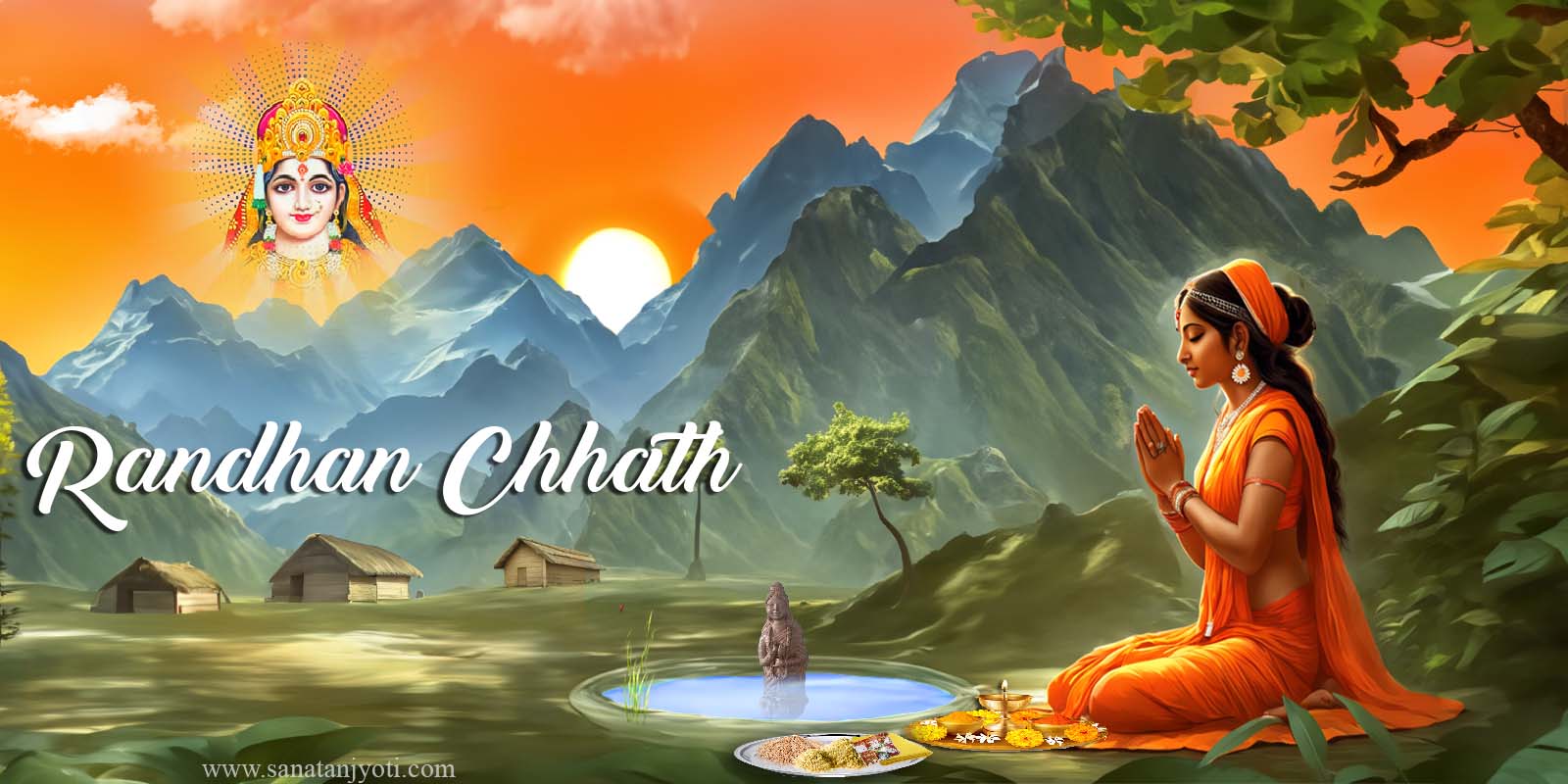
Randhan Chhath is a traditional Hindu festival observed on the Shashthi (sixth day) of the Krishna Paksha in the Hindu month of Bhadrapada. It is celebrated one day before Sheetala Saptami. On this day, devotees prepare satvik food in advance to offer to Goddess Sheetala the following day. The festival is primarily observed in Gujarat, Rajasthan, and parts of western India.
Every year, many devotees search for answers to questions such as When is Randhan Chhath 2026?, Why is Randhan Chhath celebrated?, Why is food prepared a day in advance?, What is the connection between Randhan Chhath and Shitala Saptami?, How is the puja performed?, and What is the religious significance of this festival?
If you want complete and authentic information about Randhan Chhath 2026, including its date, puja rituals, religious importance, connection with Shitala Saptami, traditional beliefs, and customs, this detailed guide will help you understand everything in a simple and easy way.
When is Randhan Chhath 2026?
In 2026, Randhan Chhath will be observed on Wednesday, 2 September 2026. The festival falls on the Shashthi Tithi of the Krishna Paksha in the Hindu month of Bhadrapada. Shitala Saptami is celebrated on the following day, which is why devotees prepare all the food one day in advance.
The purpose of Randhan Chhath is not only to cook food for the next day but also to express devotion to Goddess Shitala and follow long-standing religious traditions.
If you would like to know the Shashthi Tithi timings, auspicious muhurat, Panchang details, and other important Vedic dates for Randhan Chhath 2026: - Be sure to check our detailed Panchang.
What is Randhan Chhath?
Randhan Chhath is a traditional Hindu festival during which devotees prepare food one day before Shitala Saptami. According to tradition, fresh food is generally not cooked on Shitala Saptami. Instead, the food prepared on Randhan Chhath is first offered to Goddess Shitala and then eaten as Prasad.
This custom is especially popular in regions where the worship of Goddess Shitala holds special importance. The festival teaches the values of discipline, cleanliness, devotion, and respect for traditional family customs.
Why is Randhan Chhath Celebrated?
Randhan Chhath is observed as a preparation for Shitala Saptami. According to Hindu tradition, Goddess Shitala is offered cool food on Shitala Saptami. For this reason, devotees prepare all the meals on the previous day and avoid cooking fresh food during the festival.
This tradition is not only about following religious customs. It also reflects devotion to Goddess Shitala and prayers for good health, family happiness, and prosperity.
The way this festival is observed may vary from one region to another. However, its connection with Shitala Saptami remains the same across most traditions.
Relationship Between Randhan Chhath and Shitala Saptami
Randhan Chhath and Shitala Saptami are closely connected. On Randhan Chhath, devotees prepare food for the following day. On Shitala Saptami, the same food is offered to Goddess Shitala before it is eaten by the family.
In Sanatan Dharma, Goddess Shitala is worshipped as the goddess who protects people from diseases and blesses them with good health. Because of this, Randhan Chhath is not just a day of preparation. It is also an important part of the worship of Goddess Shitala.
Religious Significance of Randhan Chhath
Randhan Chhath is a festival that represents faith, discipline, and tradition. It reminds us that religious devotion is not limited to prayer alone. It is also reflected in our daily habits, family traditions, and disciplined way of living.
According to Hindu beliefs, following the traditions of Randhan Chhath with devotion and worshipping Goddess Shitala on the next day is believed to bring peace, good health, and prosperity to the family.
If you would like to learn more about Randhan Chhath, Shitala Saptami, the worship of Goddess Shitala, or other Vedic festivals: - You can receive free Vedic guidance from the experienced Acharyas at Sanatan Jyoti.
Randhan Chhath Puja Vidhi
On the morning of Randhan Chhath, wake up early, take a bath, and wear clean clothes. Offer prayers to Lord God and Goddess Shitala in your home temple. Then make a sincere resolve (Sankalp) to prepare food for the Shitala Saptami celebration on the following day.
According to family traditions, the kitchen is cleaned thoroughly before cooking begins. Pure Satvik food is then prepared with devotion. In many families, people also remember Agni Dev (the Fire God), Annapurna Devi, and offer gratitude for food before they start cooking.
Once the food is ready, it is stored carefully in a clean and safe place. The next day, it is first offered to Goddess Shitala and then shared among family members as Prasad.
What Foods Are Prepared on Randhan Chhath?
The dishes prepared on Randhan Chhath vary according to family customs and regional traditions. The food is offered to Goddess Shitala on Shitala Saptami and later eaten as Prasad.
Common Satvik dishes include:
• Puri
• Pua or Malpua
• Sweet dishes
• Seasonal vegetables
• Dal (Lentils)
• Rice
• Kheer (Rice Pudding)
• Laddus and other traditional sweets
• Other Satvik dishes prepared according to family traditions
There is no fixed religious rule about the menu. Every family follows its own customs and local traditions.
Why Is Food Prepared One Day in Advance for Goddess Shitala?
One of the most important traditions of Randhan Chhath and Shitala Saptami is that fresh food is generally not cooked on Shitala Saptami.
According to Hindu beliefs, Goddess Shitala is offered cool (previously prepared) food. For this reason, devotees prepare all the meals on Randhan Chhath, store them properly, and offer the same food to the Goddess the next day.
This tradition reflects devotion to Goddess Shitala. It also teaches the importance of discipline, cleanliness, and preserving family traditions.
What Should You Do on Randhan Chhath?
According to Hindu traditions, the following practices are considered auspicious on Randhan Chhath:
• Keep your home and kitchen clean.
• Prepare Satvik food for the next day's offering.
• Maintain cleanliness and purity while cooking.
• Remember and pray to Goddess Shitala.
• Celebrate the festival with your family.
• Donate food or grains to those in need.
These simple acts help devotees observe the festival with faith and sincerity.
What Should You Avoid on Randhan Chhath?
Traditional customs also recommend avoiding a few things while observing the festival:
• Do not prepare food in an unclean kitchen.
• Do not ignore or disrespect religious traditions.
• Do not leave the prepared food uncovered or in an unsafe place.
• Store the food properly for the Shitala Saptami offering.
• Follow your family traditions and religious practices with sincerity.
These customs help maintain the purity and importance of the festival.
Is Randhan Chhath Celebrated Across India?
Randhan Chhath is not celebrated in the same way throughout India. It is mainly observed in Gujarat, Rajasthan, and a few other parts of Western India.
In many of these regions, the festival is seen as important preparation for Shitala Saptami.
The food, puja rituals, and customs may differ from one region to another. However, the tradition of offering cool food to Goddess Shitala remains the central part of the celebration everywhere.
Spiritual Significance of Randhan Chhath
Randhan Chhath is more than a day of preparing food. It is a festival that represents faith, discipline, service, and family traditions.
The food prepared on this day is offered to Goddess Shitala on the following day. This reminds us that food is not only meant to nourish the body but is also a way to express gratitude to God.
The festival also encourages us to practice cleanliness, self-discipline, and devotion. At the same time, it brings families together and helps pass on traditional values from one generation to the next.
Randhan Chhath Traditions in Different States of India
Although Randhan Chhath is not celebrated across India in the same way, it is an important festival in several parts of Western India.
Gujarat
In Gujarat, Randhan Chhath is observed with great devotion. It is celebrated one day before Shitala Satam. Families prepare all the food for the next day and offer the same cooled food to Goddess Shitala on Shitala Satam before eating it as Prasad.
Rajasthan
In many parts of Rajasthan, devotees also celebrate Randhan Chhath as a preparation for Shitala Saptami. Families cook pure Satvik food a day earlier. After worshipping Goddess Shitala the next day, the prepared food is shared as Prasad.
The festival is also observed in a few other regions according to local customs. The food, puja rituals, and traditions may vary, but the central practice remains the same—offering cool food to Goddess Shitala with faith and devotion.
Life Lessons from Randhan Chhath
Randhan Chhath is more than a religious tradition. It also teaches several important values that can be followed in daily life.
The festival reminds us to:
• Respect religious traditions.
• Treat food as a sacred blessing from God.
• Maintain cleanliness and discipline.
• Celebrate festivals with family.
• Practice kindness, sharing, and gratitude.
These simple values make Randhan Chhath meaningful for every generation.
Learn More About Randhan Chhath
If you would like to know more about Randhan Chhath, Shitala Saptami, the worship of Goddess Shitala, or other important Vedic festivals, you can receive free Vedic guidance and detailed consultation from the experienced Acharyas at Sanatan Jyoti.
Frequently Asked Questions
1. When is Randhan Chhath 2026?
Randhan Chhath 2026 will be celebrated on Wednesday, 2 September 2026. The festival falls on the Shashthi Tithi of Krishna Paksha in the Hindu month of Bhadrapada.
2. Why is Randhan Chhath celebrated?
Randhan Chhath is celebrated as a preparation for Shitala Saptami. On this day, devotees prepare food for the next day, which is later offered to Goddess Shitala.
3. Why is food prepared in advance on Randhan Chhath?
According to Hindu tradition, cool food is offered to Goddess Shitala on Shitala Saptami. Therefore, devotees cook the food one day earlier on Randhan Chhath.
4. In which states is Randhan Chhath mainly celebrated?
The festival is mainly observed in Gujarat, Rajasthan, and some other parts of Western India.
5. What is the connection between Randhan Chhath and Shitala Saptami?
Randhan Chhath is celebrated one day before Shitala Saptami. The food prepared on Randhan Chhath is offered to Goddess Shitala on the following day.
6. Is fasting observed on Randhan Chhath?
Fasting traditions vary from one region and family to another. In most places, the main focus of the festival is preparing for Shitala Saptami and following traditional religious customs.
7. What is the religious significance of Randhan Chhath?
Randhan Chhath symbolizes devotion to Goddess Shitala, cleanliness, discipline, family unity, and respect for traditional customs.
Randhan Chhath is an important traditional festival connected with Shitala Saptami. It teaches the values of faith, cleanliness, discipline, and gratitude. In 2026, the festival will be celebrated on Wednesday, 2 September.
On this day, families prepare Satvik food for the next day and offer it to Goddess Shitala on Shitala Saptami. The festival reminds us to respect food, preserve family traditions, and strengthen our faith through simple acts of devotion.