When is Jaya Ekadashi 2027?
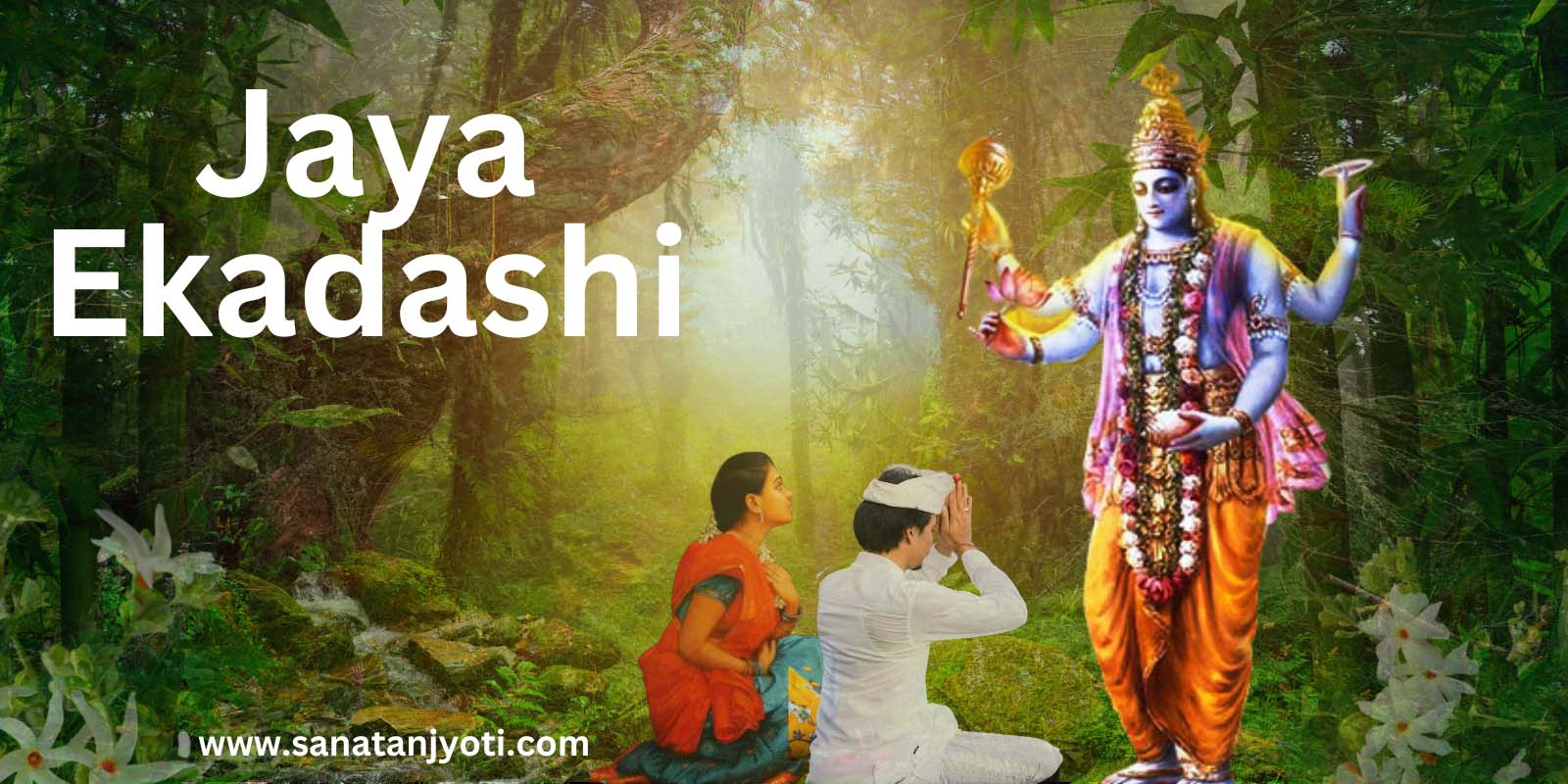
The Ekadashi that falls during the Shukla Paksha of the Magha month is known as Jaya Ekadashi. In 2027, the Jaya Ekadashi Vrat will be observed on Wednesday, February 17, 2027.
Jaya Ekadashi 2027: Date and Timings
The Jaya Ekadashi Vrat will be observed on Wednesday, February 17, 2027. This Ekadashi falls during the Shukla Paksha of the Magha month. According to the Panchang, the Jaya Ekadashi Tithi will begin on the night of February 16 and continue until the evening of February 17.
Jaya Ekadashi 2027: Date and Timings
• Jaya Ekadashi Vrat: February 17, 2027, Wednesday
• Ekadashi Tithi Begins: February 16, 2027, at 8:21 PM
• Ekadashi Tithi Ends: February 17, 2027, at 5:34 PM
Significance of Jaya Ekadashi
Yudhishthira asked, “O Lord! Please tell me which Ekadashi falls during the Shukla Paksha, what is the method of observing it, and which deity is worshipped on this Ekadashi?”
Lord Shri Krishna replied, “O King! The Ekadashi that falls during the Shukla Paksha of the Magha month is known as Jaya Ekadashi. It is considered an Ekadashi that destroys sins and purifies the devotee. According to religious beliefs, this Vrat is associated with worldly enjoyment and Moksha and is believed to free a person from serious sins such as Brahmahatya and from the Pishacha state.”
The story of Jaya Ekadashi describes how devotion to Lord Vishnu and the effect of the Ekadashi Vrat can lead to freedom from the Pishacha form. Therefore, devotees worship Lord Vishnu or Lord Krishna, observe the Vrat, remember the Lord's name and perform a night vigil on this day.
To learn more about the origin of the Ekadashi Vrat, its mythological story and religious significance associated with Lord Vishnu: -Read our article on the Origin of Ekadashi.
Jaya Ekadashi Vrat Katha
Once, Indra, the king of the Devas, ruled over Swargaloka. The Devas were enjoying themselves with the Apsaras in Nandanvan, which was filled with Parijata trees. Indra, the leader of millions of Gandharvas, organized a grand dance performance in the forest according to his wishes and enjoyed the occasion.
The Gandharvas performed music at this event. Among them were Pushpadanta, Chitrasena and his son. Chitrasena's wife's name was Malini. They had a daughter named Pushpavanti. Pushpadanta Gandharva had a son known as Malyavan.
Malyavan was deeply attracted to Pushpavanti's beauty. Both of them had come there to perform a dance for the pleasure of Indra. Apsaras were also present with them. Because they became emotionally attracted to each other, both lost their concentration. As a result, they could not perform the music properly. Sometimes they lost the rhythm, and at other times the singing stopped.
Indra considered their negligence an insult and became angry. He cursed both of them, saying that they would fall from their divine state and be born as husband and wife in the Pishacha form.
Both of them became extremely distressed because of Indra's curse and went to the Himalayan mountains. After attaining the Pishacha form, they suffered greatly. They wandered through the mountain caves, tormented by the consequences of their past actions and the suffering associated with their new form.
One day, the Pishacha said to his wife, “What sin have we committed that has caused us to receive this Pishacha form? The suffering of Naraka is extremely painful, and the Pishacha form is also filled with suffering. Therefore, we should make an effort to avoid committing further sins.”
Thus, both of them continued to live in suffering. By divine arrangement, they encountered Jaya Ekadashi during the Magha month. On that day, both of them gave up all forms of food. They did not even drink water and did not harm any living being. Tormented by their suffering, they sat near a Peepal tree.
After sunset, night arrived. They could not sleep and remained awake throughout the night. The next day, Dwadashi arrived. In this way, they unknowingly completed the Jaya Ekadashi Vrat and the night vigil.
According to religious beliefs, due to the effect of the Jaya Ekadashi Vrat and the grace of Lord Vishnu, both of them were freed from the Pishacha form. Pushpavanti and Malyavan returned to their original forms. Their bodies were once again adorned with beautiful ornaments, and they returned to Swargaloka in a divine aircraft.
There, they bowed before Indra. Seeing them in their original forms, Indra was surprised. He asked them through whose merit their Pishacha state had ended.
Malyavan explained that they had been freed from the Pishacha form through the grace of Lord Vasudeva and the effect of observing the Jaya Ekadashi Vrat.
Indra said that those who sincerely observe the Ekadashi Vrat and remain devoted to Lord Shri Krishna are worthy of respect. Thereafter, both Malyavan and Pushpavanti received honor in Swargaloka.
According to religious beliefs, this is why Jaya Ekadashi is considered an important Ekadashi associated with freedom from sins and receiving the blessings of Lord Vishnu.
Jaya Ekadashi Puja Vidhi
According to tradition, preparations for the Jaya Ekadashi Vrat begin on Dashami Tithi. On Dashami, take a bath in the morning and worship with devotion. Have one meal during the afternoon. There is also a tradition of sleeping on the floor at night.
On Ekadashi, complete your morning rituals, take a bath and take the Vrat Sankalp while meditating on Lord Vishnu. The following Mantra is recited while taking the Sankalp:
Adya sthitva niraharah sarvabhogavivarjitah.
Shvo bhokshye Pundarikaksha sharanam me bhavachyuta.
Meaning: O Lotus-Eyed Lord Narayana! Today, I will give up all worldly pleasures and remain without food, and I will have food tomorrow. O Achyuta, please give me refuge.
After this, worship Lord Hari by offering incense, sandalwood paste, flowers and other Puja materials. Chant the Mantras of Lord Vishnu or Lord Krishna and engage in Bhajan and Kirtan according to your faith.
There is also a tradition of staying awake at night in remembrance of Lord Vishnu on Jaya Ekadashi. On the following day, Dwadashi, worship Lord Shri Hari again. After this, perform Parana according to your tradition and the local Panchang, and according to your capacity, offer food to Brahmins and give Daan-Dakshina.
Do you have any questions related to the Jaya Ekadashi Vrat, Puja Vidhi, Mantras, Parana or religious rituals?
Get a free consultation from our Acharya Ji today and find answers to your Puja-related questions.
What to Do During the Jaya Ekadashi Vrat?
On Jaya Ekadashi, devotees can worship Lord Vishnu or Lord Krishna. Observe the Vrat according to your capacity and health, and engage in remembrance of the Lord's name, Mantra Jaap, Bhajan, Kirtan and listening to religious stories.
There is a tradition of staying awake at night. On the following day, Dwadashi, the Vrat is completed by worshipping Lord Vishnu and performing Parana according to the prescribed method.
The rules of the Vrat may vary according to one's tradition, health and local Panchang. Therefore, one's physical condition should be taken into consideration before observing a strict fast.
Religious Significance of Jaya Ekadashi
Jaya Ekadashi is considered an important date associated with devotion to Lord Vishnu and the tradition of the Ekadashi Vrat. Its story describes how Malyavan and Pushpavanti were freed from the Pishacha form.
According to religious beliefs, the Jaya Ekadashi Vrat is observed with the intention of destroying sins, receiving the blessings of Lord Vishnu and attaining spiritual purification. Fasting, Puja, Mantra Jaap, remembrance of the Lord's name and listening to the Vrat Katha are given special significance on this day.
Jaya Ekadashi Vrat Parana
The Parana of the Jaya Ekadashi Vrat is performed on the Dwadashi Tithi. It is advisable to follow the Parana timing given in the local Panchang. After worshipping Lord Vishnu, devotees complete the Vrat by having food according to their tradition.
Jaya Ekadashi is an important Ekadashi that falls during the Shukla Paksha of the Magha month. Its Vrat Katha is described as a story narrated by Lord Shri Krishna to Yudhishthira. The story of Malyavan and Pushpavanti describes the religious significance associated with the Jaya Ekadashi Vrat and devotion to Lord Vishnu.
Devotees worship Lord Vishnu or Lord Krishna on this day, observe the Vrat, chant Mantras, listen to the Vrat Katha and perform a night vigil. According to religious beliefs, the Jaya Ekadashi Vrat is observed with the intention of attaining freedom from sins and receiving the blessings of the Lord.